Why It Matters
Majora’s unconventional villain design reshapes narrative expectations, prompting developers to prioritize psychological depth over raw power, a shift that influences future game experiences and market differentiation.
Key Takeaways
- •Majora lacks clear motives, acting on chaotic rage
- •Moon’s descent visually ties environment to the antagonist
- •Psychological horror replaces traditional power‑based fear
- •Game mechanics revolve around Majora’s three‑day cycle
Pulse Analysis
Majora’s Mask introduced a villain that defies the classic Zelda formula of a power‑hungry antagonist. Rather than seeking domination, Majora operates without a discernible goal, channeling raw, chaotic rage that unsettles players on a psychological level. This departure from motive‑driven evil creates a sense of existential dread, making the threat feel more unpredictable and immersive. By focusing on atmosphere and emotional resonance instead of sheer strength, the game set a new benchmark for narrative complexity within mainstream action‑adventure titles. Its influence can be traced in recent open‑world adventures.
The most iconic visual cue—Majora’s moon slowly sinking toward Termina—turns the environment itself into a ticking clock. Each of the three in‑game days forces players to prioritize tasks, manage resources, and confront the looming disaster, intertwining gameplay loops with story tension. This seamless integration of narrative and mechanics pioneered a design paradigm where time pressure becomes a storytelling device, influencing later titles such as “Outer Wilds” and “Dead Cells.” Developers now view temporal constraints as a tool for heightening immersion rather than a mere challenge.
Majora’s psychological horror has rippled through the industry, encouraging studios to experiment with mood‑driven antagonists that manipulate player emotions rather than rely on brute force. Indie developers cite the mask’s unsettling presence as inspiration for games that blend narrative ambiguity with dynamic world‑altering events. From a marketing perspective, the character’s unique identity fuels community discussion, driving long‑tail engagement and content creation across platforms like Twitch and YouTube. Recognizing such innovative villain design helps publishers anticipate trends that prioritize immersive storytelling, a key differentiator in an increasingly crowded gaming market.
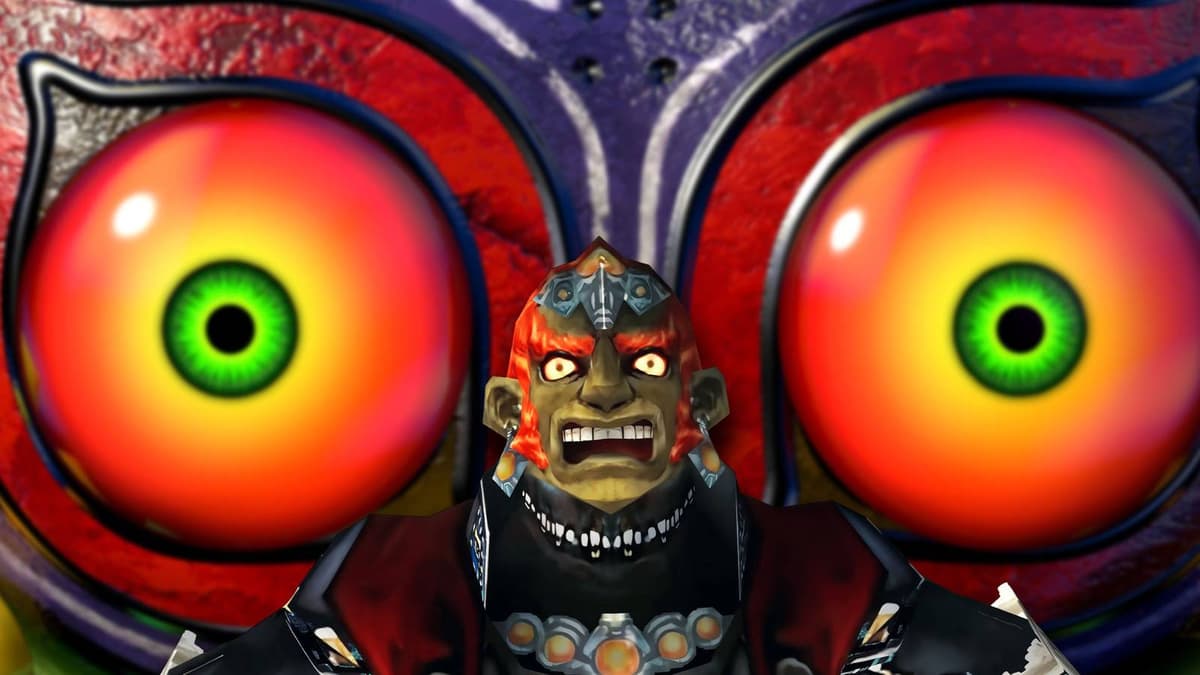
Majora Is The Best Zelda Villain (Not Ganon)
Comments
Want to join the conversation?
Loading comments...