"Make It Easier If You're Struggling": Sony Files Patent for AI-Driven Dynamic Difficulty Adjustment
Companies Mentioned
Why It Matters
Adaptive difficulty can boost player retention and broaden a game’s audience, directly impacting revenue streams. Sony’s move may pressure rivals to accelerate AI integration in core gameplay loops.
Key Takeaways
- •Sony's AI adjusts enemy stats in real time
- •Dynamic difficulty aims to reduce player frustration and churn
- •Patent could shift industry away from static difficulty tiers
- •Implementation depends on developer adoption and real‑world testing
Pulse Analysis
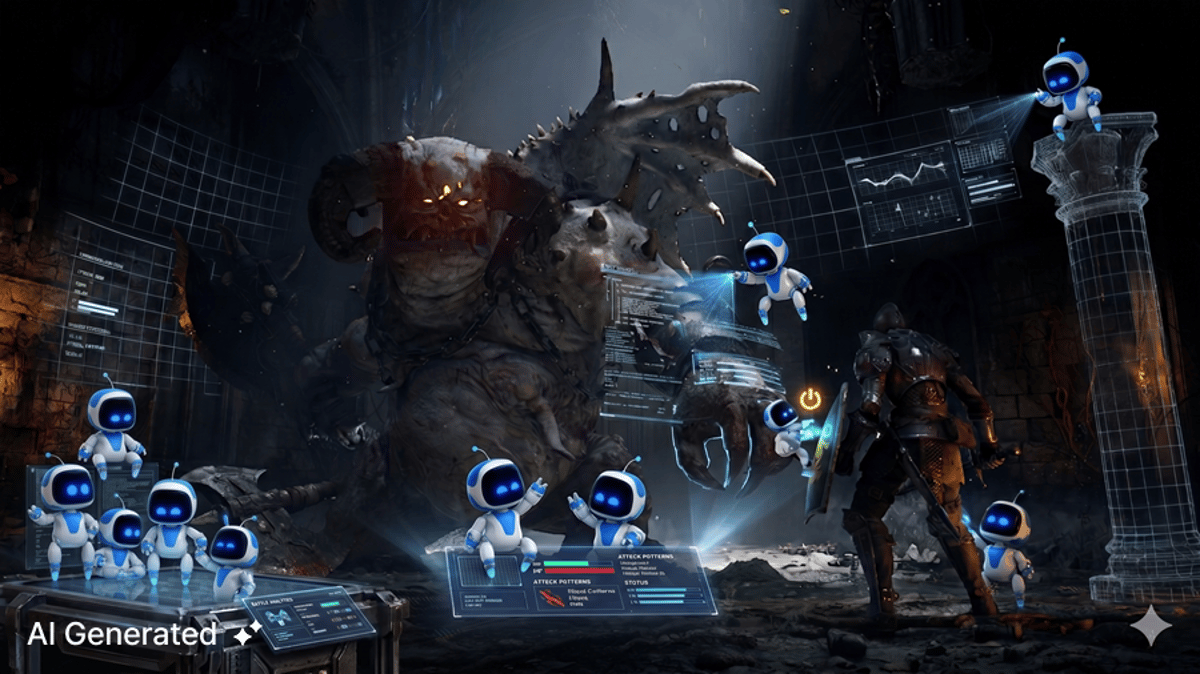
The gaming industry has long relied on fixed difficulty settings, a model that often alienates both casual players and hardcore enthusiasts. Sony’s recent patent introduces a machine‑learning framework that continuously monitors player inputs, success rates, and in‑game behavior to recalibrate enemy health, damage, and AI tactics on the fly. By moving beyond preset tiers, the system promises a more fluid experience where challenges scale organically, mirroring the player’s evolving skill set. This concept aligns with broader trends in AI‑enhanced personalization seen across entertainment platforms.
From a business perspective, dynamic difficulty could become a powerful retention tool. Players who feel consistently challenged without being overwhelmed are less likely to abandon a title, extending playtime and increasing opportunities for in‑game purchases or subscription renewals. Moreover, adaptive difficulty can widen a game’s market reach, attracting newcomers who might otherwise be deterred by steep learning curves while still satisfying competitive gamers seeking depth. As studios chase higher lifetime value metrics, the ability to tailor challenge levels in real time becomes a differentiator that could influence publishing decisions and marketing strategies.
However, practical deployment faces hurdles. Developers must integrate robust telemetry pipelines and ensure AI adjustments feel natural rather than intrusive, lest they break immersion. There are also concerns about transparency and player agency—gamers may resist perceived algorithmic manipulation of difficulty. Sony’s patent does not guarantee commercial rollout, but it signals a strategic intent that could spur industry peers to explore similar solutions. If successfully implemented, AI‑driven dynamic difficulty may set a new standard for player‑centric design, reshaping how games are built, balanced, and monetized.
"Make It Easier If You're Struggling": Sony Files Patent for AI-Driven Dynamic Difficulty Adjustment
Comments
Want to join the conversation?
Loading comments...