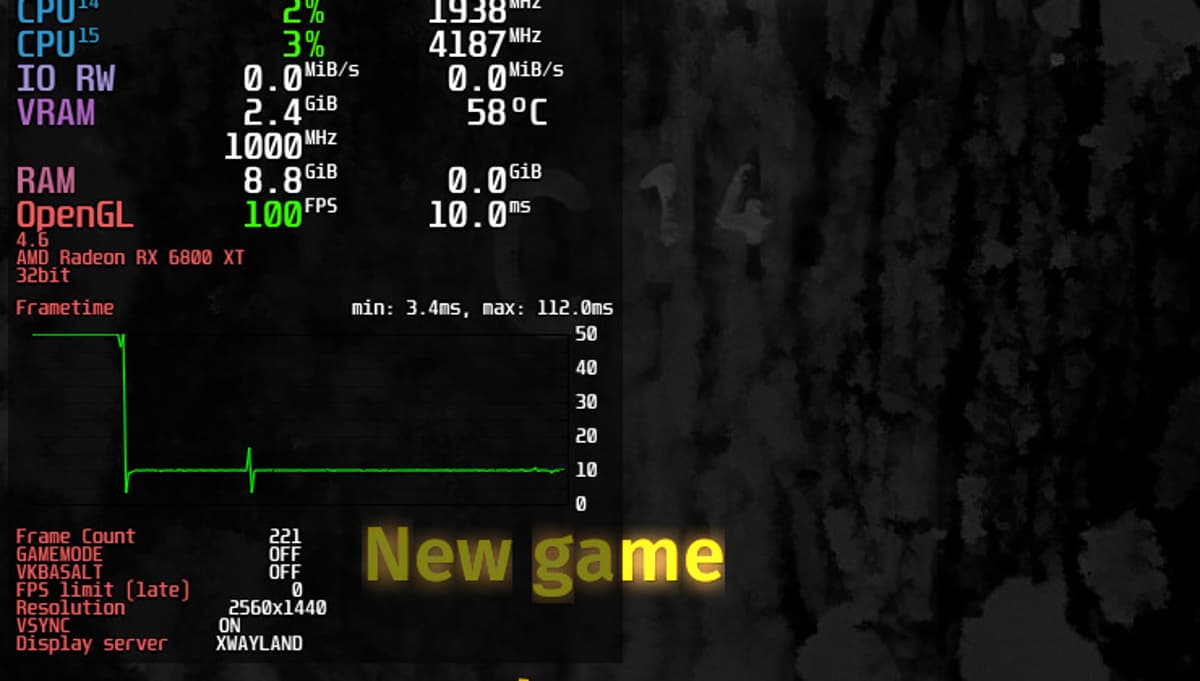
MangoHud 0.8.3 Brings New Features and Fixes to the Popular Linux Gaming Performance Monitor

Companies Mentioned
Why It Matters
The patch stabilizes performance monitoring on a broader range of Linux hardware and game engines, making MangoHud a more reliable tool for gamers and developers alike. Its enhancements encourage deeper adoption of Linux as a serious gaming platform.
Key Takeaways
- •0.8.3 adds panthor driver and DDR5 RAM temperature support.
- •Fixed Wayland check, GPU metrics on 32‑bit, and Vulkan swapchain handling.
- •HUD size can now be under 32 px, improving UI flexibility.
- •New blacklist entries prevent crashes with GardenGate and Kanvas launchers.
- •Updated ImGui to 1.91.6 and Vulkan headers to 1.3.283.
Pulse Analysis
Linux gaming has moved from niche hobby to mainstream contender, and performance overlays like MangoHud are essential for fine‑tuning frame rates, temperatures, and resource usage. The 0.8.3 release arrives at a time when more titles—such as Death Stranding 2—are being ported to Linux, raising expectations for accurate, low‑overhead telemetry. By addressing long‑standing bugs in Wayland detection, AMDGPU metric collection, and Vulkan swap‑chain indexing, the update reduces crashes and visual artifacts that previously deterred power users.
Technical refinements in this version go beyond mere stability. The corrected handling of GPU metrics on 32‑bit systems and the removal of an illegal vsync flag prevent crashes on older hardware and NVIDIA drivers. ImGui, the UI toolkit behind MangoHud’s HUD, has been rolled back to a safer dlsym implementation and upgraded to version 1.91.6, delivering smoother font rendering and reduced oversampling. These changes lower CPU overhead while preserving the detailed on‑screen data that competitive gamers rely on.
Beyond bug fixes, 0.8.3 introduces tangible new functionality. Support for the panthor driver expands compatibility with emerging GPUs, while DDR5 RAM temperature monitoring via the SPD5118 driver gives enthusiasts insight into next‑gen memory performance. HUD elements can now be rendered at sizes smaller than 32 px, catering to ultra‑high‑resolution displays. Additional blacklist entries and a custom CPU temperature sensor option further personalize the experience. Collectively, these enhancements solidify MangoHud’s role as the de‑facto performance monitor for Linux gamers, encouraging broader adoption of the platform in both indie and AAA development circles.
MangoHud 0.8.3 brings new features and fixes to the popular Linux gaming performance monitor
Comments
Want to join the conversation?
Loading comments...