Why It Matters
The initiative demonstrates gaming’s power to portray regional diversity, opening new avenues for cultural tourism and location‑based marketing within the entertainment industry.
Key Takeaways
- •Curated list assigns one distinct game to each of the 50 states
- •Selections prioritize cultural authenticity, setting, and unique state representation
- •Some states rely on fictional towns within real‑state backdrops
- •List highlights how games capture regional folklore and geography
- •Approach avoids franchise repeats, emphasizing diverse gaming experiences
Pulse Analysis
Video games have evolved beyond pure entertainment to become immersive cultural archives. By anchoring gameplay in real‑world locations, developers can convey the nuances of regional dialects, landscapes, and histories that traditional media often gloss over. Titles like Resident Evil 7 for Louisiana or The Last of Us for Utah illustrate how environmental design and narrative can mirror a state’s distinctive atmosphere, offering players a virtual field trip that feels authentic and engaging.
The methodology behind the one‑game‑per‑state list underscores a strategic blend of authenticity and market appeal. Prioritizing games that either fully inhabit a state or feature iconic landmarks ensures each selection serves as a recognizable ambassador for its locale. This approach not only enriches the player experience but also creates cross‑promotional opportunities for tourism boards and local economies, turning virtual visits into real‑world curiosity. By sidestepping franchise repeats, the list highlights the breadth of the industry’s creative talent, from indie studios to major publishers.
Looking ahead, advances in photogrammetry, procedural generation, and augmented reality promise even deeper state‑level immersion. As developers harness high‑resolution scanning and AI‑driven world building, future titles could offer dynamic, updatable representations of changing urban skylines and natural environments. Such fidelity will attract advertisers seeking hyper‑local engagement and investors eyeing the growing niche of location‑centric gaming experiences, cementing the medium’s role as both cultural storyteller and economic catalyst.
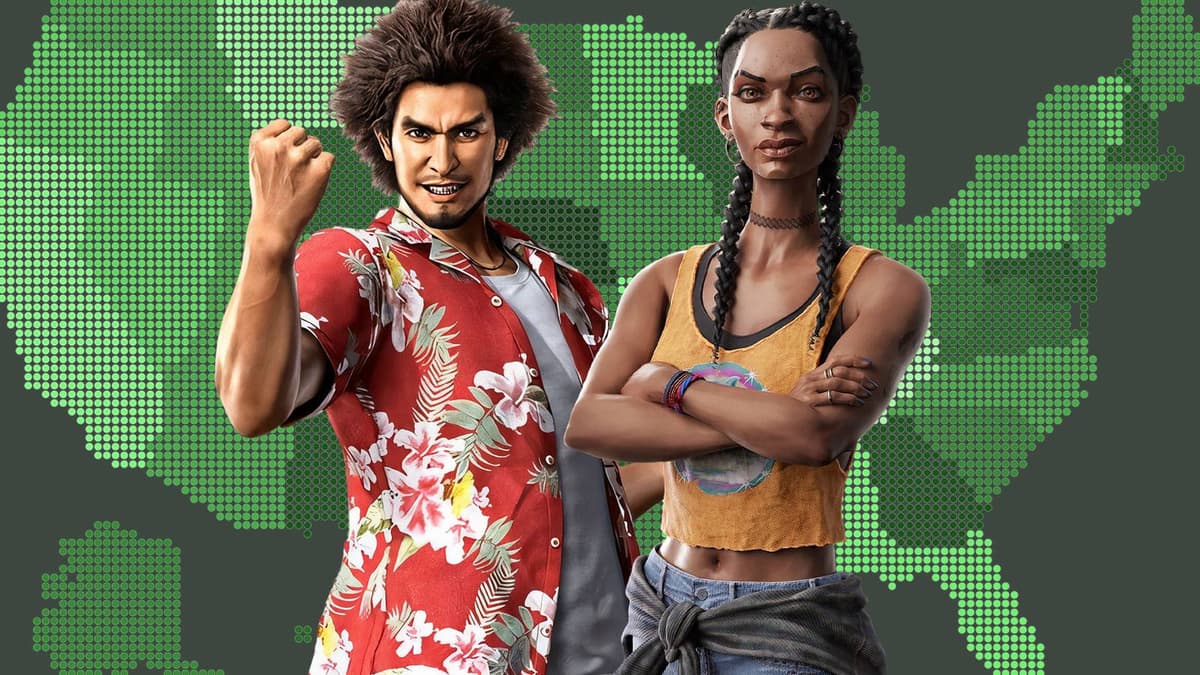
Mapping America: One Video Game for Every U.S. State
Comments
Want to join the conversation?
Loading comments...