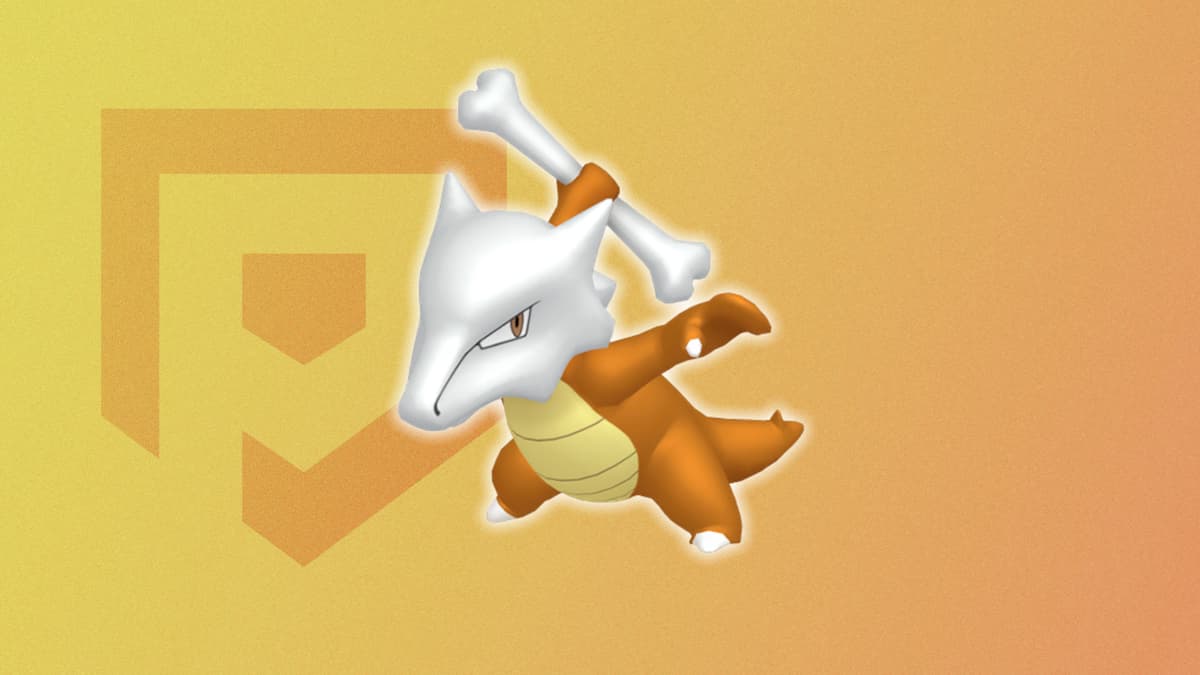
Why It Matters
Understanding Marowak’s dual typings and extensive availability helps players optimize defensive cores and complete Pokédex goals across multiple titles. Its solid defenses and versatile movepool make it a valuable asset in both casual and competitive play.
Key Takeaways
- •Marowak evolves from Cubone at level 28; night evolution yields Alolan form
- •Kantonian Marowak is Ground type; Alolan gains Fire/Ghost typing
- •Defensive stats: 110 Defense, 80 HP, making it a sturdy wall
- •Learnable via TM, trade, or event across generations 1‑9
- •Weak to Grass, Water, Ice; immune to Electric, useful against Flying types
Pulse Analysis
Marowak remains a staple in the Pokémon franchise thanks to its unique evolution path and the introduction of the Alolan variant in Generation 7. While the Kantonian form retains its classic Ground typing, the Alolan version flips the script with Fire and Ghost attributes, expanding its role in team composition. Both forms share a common evolution trigger—Cubone reaching level 28—but the Alolan form requires a nighttime level‑up, adding a timing nuance for players seeking the rarer variant. Across the series, Marowak appears via evolution, trade, or special events, ensuring its presence from the original Red/Blue titles to the latest Scarlet/Violet releases.
From a competitive standpoint, Marowak’s defensive profile is its strongest selling point. With 110 Defense and respectable HP, it can absorb physical hits that would cripple many offensive threats. The Kantonian’s Ground typing grants immunity to Electric attacks and resistance to Rock and Poison, while the Alolan’s Fire/Ghost combination offers a surprise immunity to Normal and Fighting moves. Its movepool, bolstered by TMs such as Earthquake, Swords Dance, and Flare Blitz, lets it transition between a wall and a late‑game sweeper. However, its Achilles’ heels—Grass, Water, and Ice—require careful matchup planning, especially in formats where those types dominate the meta.
For players focused on collection and team synergy, Marowak’s availability across generations simplifies acquisition. It can be caught in classic locations like Victory Road, traded in later titles, or earned through event-specific challenges such as the Pokopia "Grave with Flowers" habitat. Leveraging its diverse TM options, trainers can tailor Marowak to fill niche roles—whether as a physical tank, a Ghost‑type surprise, or a fire‑based damage dealer. As the competitive scene evolves, Marowak’s blend of durability and flexible offense ensures it remains a relevant choice for both nostalgic fans and new strategists alike.
Marowak | Pokémon guide
Comments
Want to join the conversation?
Loading comments...