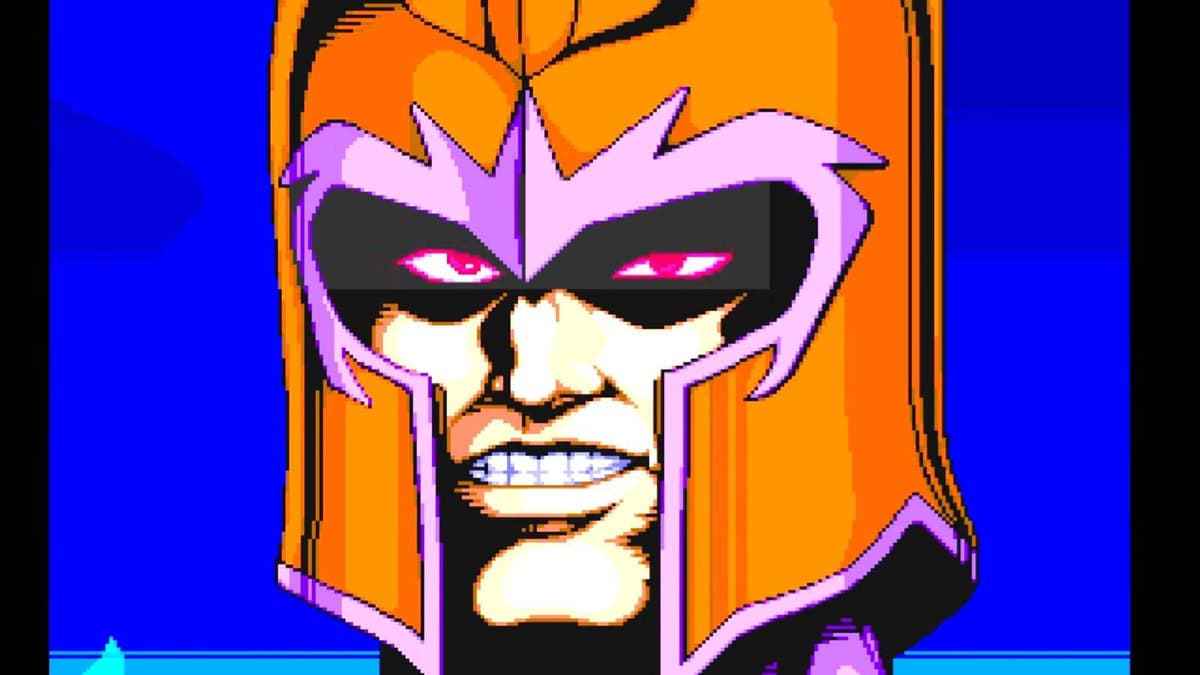
Marvel: Maximum Collection Revealed, Featuring 13 Classic Games
•February 25, 2026
0
Why It Matters
The bundle taps both the enduring popularity of Marvel IP and the growing demand for curated retro game experiences, potentially expanding revenue streams for publishers and collectors alike.
Key Takeaways
- •Limited Run Games releases Marvel: Maximum Collection.
- •Collection includes 13 retro Marvel titles across platforms.
- •Six games listed, seven remain undisclosed pending reveal.
- •Available on PS5, Xbox Series X|S, Switch, Steam.
- •Licensing may be time‑limited, affecting future availability.
Pulse Analysis
Retro gaming has evolved from niche hobby to mainstream revenue driver, and companies like Limited Run Games sit at the intersection of nostalgia and modern distribution. By packaging iconic Marvel titles—once confined to aging cartridges and consoles—into a single, multi‑platform collection, the publisher leverages the superhero brand’s cross‑generational appeal. This strategy not only revitalizes dormant IP but also introduces younger gamers to foundational titles that shaped early action‑adventure mechanics, enriching the cultural tapestry of video game history.
The Marvel: Maximum Collection’s platform rollout is noteworthy. Launching simultaneously on PlayStation 5, Xbox Series X|S, Nintendo Switch, and Steam ensures broad accessibility, catering to both console loyalists and PC enthusiasts. While six games are confirmed, the mystery surrounding the remaining seven creates buzz and encourages pre‑order momentum. However, the collection’s reliance on time‑limited licensing agreements could pose risks; if rights expire, future re‑releases may be curtailed, prompting collectors to act quickly and potentially inflating secondary‑market values.
From an industry perspective, this release underscores a larger trend: publishers are increasingly curating legacy libraries as premium products rather than simple emulation bundles. By adding features like in‑game museums and high‑definition upscaling, Limited Run Games adds perceived value, justifying higher price points. The move signals confidence in the retro market’s profitability and may inspire similar collaborations between other IP holders and boutique distributors, ultimately expanding the ecosystem of legally sanctioned classic game offerings.
Marvel: Maximum Collection Revealed, Featuring 13 Classic Games
0
Comments
Want to join the conversation?
Loading comments...