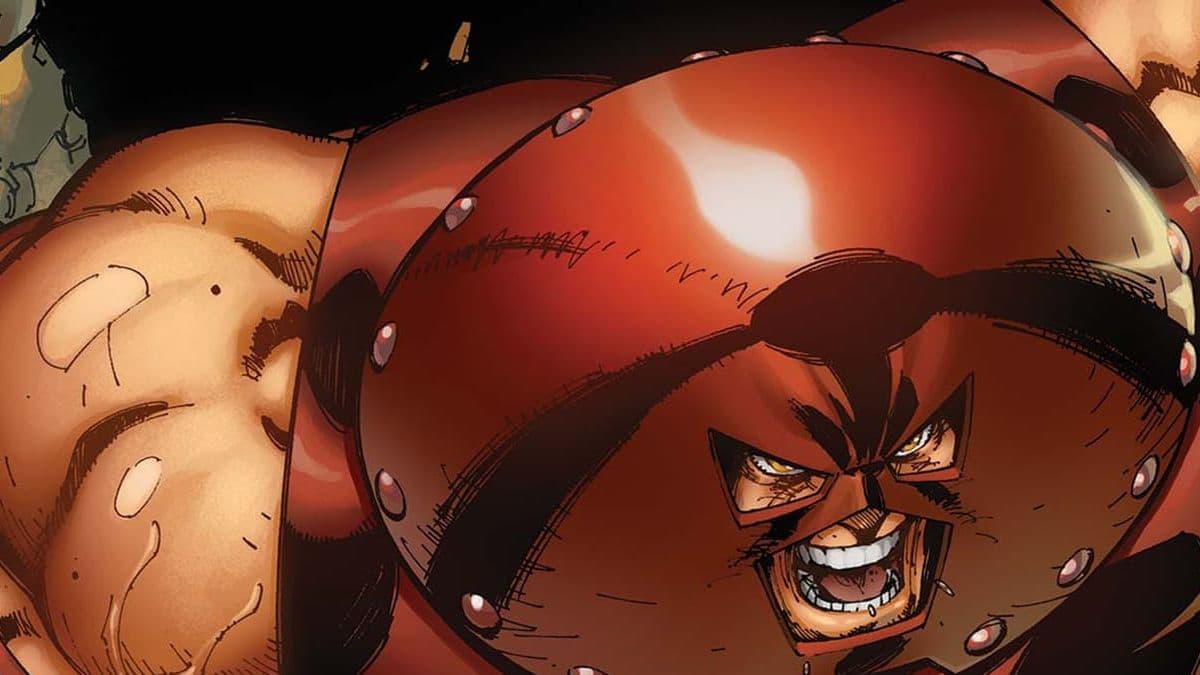
Marvel Once Caused a Problem for Capcom by Insisting 'Juggernaut Can't Jump'
Companies Mentioned
Why It Matters
It shows that licensing restrictions can directly dictate game design, and that proven commercial success can prompt IP holders to relax creative controls, influencing the broader market for superhero games.
Key Takeaways
- •Marvel initially banned Juggernaut from jumping, citing character weight.
- •Capcom convinced Marvel vertical movement essential for fighting combos.
- •Juggernaut’s jump appears in X‑Men: Children of the Atom.
- •Success led Marvel to relax character restrictions in later games.
- •Marvel vs. Capcom collection now showcases both beat‑em‑up and fighting titles.
Pulse Analysis
When Marvel first teamed up with Capcom in the early 1990s, the comic book giant treated its characters like sacred assets. Every animation, line of dialogue, and even a character’s ability to perform a simple jump required written approval. This protective stance was evident in the development of X‑Men: Children of the Atom, where Marvel’s legal team initially rejected any depiction of Juggernaut leaping, arguing the massive mutant was "too heavy" to defy gravity. The restriction forced Capcom’s localisation team to submit video reels for each move, turning a creative process into a bureaucratic bottleneck.
Capcom’s designers, however, recognized that vertical space was a cornerstone of their fighting‑game formula. Aerial combos and high‑altitude attacks differentiate the genre from traditional 2‑D brawlers, and removing Juggernaut’s jump would have limited his viability against flying opponents. After months of back‑and‑forth, Capcom secured an exception, and Juggernaut’s jump made it into both X‑Men: Children of the Atom and its sequel, Marvel Super Heroes. The games’ commercial success—driven in part by their deep vertical gameplay—demonstrated that strict character constraints could hinder a title’s market appeal.
The Juggernaut episode foreshadowed a broader shift in Marvel’s licensing philosophy. As the partnership proved lucrative, Marvel relaxed its oversight, eventually allowing more creative freedom in titles like Marvel Rivals and the recent Marvel vs. Capcom Fighting Collection. Modern developers now enjoy fewer restrictions, enabling richer mechanics, narrative experimentation, and cross‑genre mashups. For studios, the lesson is clear: early collaboration and a willingness to negotiate can turn rigid IP rules into a catalyst for innovative game design, while licensors learn that flexibility often translates into higher revenue and stronger brand presence.
Marvel once caused a problem for Capcom by insisting 'Juggernaut can't jump'
Comments
Want to join the conversation?
Loading comments...