Gaming News and Headlines
  • All Technology
  • AI
  • Autonomy
  • B2B Growth
  • Big Data
  • BioTech
  • ClimateTech
  • Consumer Tech
  • Crypto
  • Cybersecurity
  • DevOps
  • Digital Marketing
  • Ecommerce
  • EdTech
  • Enterprise
  • FinTech
  • GovTech
  • Hardware
  • HealthTech
  • HRTech
  • LegalTech
  • Nanotech
  • PropTech
  • Quantum
  • Robotics
  • SaaS
  • SpaceTech
AllNewsDealsSocialBlogsVideosPodcastsDigests

Gaming Pulse

EMAIL DIGESTS

Daily

Every morning

Weekly

Sunday recap

NewsDealsSocialBlogsVideosPodcasts
GamingNewsMesa 25.3.5 Arrives with Bug Fixes for Open Source Linux Graphics Drivers
Mesa 25.3.5 Arrives with Bug Fixes for Open Source Linux Graphics Drivers

Gaming

Mesa 25.3.5 Arrives with Bug Fixes for Open Source Linux Graphics Drivers

•February 9, 2026
0
GamingOnLinux
GamingOnLinux•Feb 9, 2026

Why It Matters

Stabilizing the open‑source graphics stack reduces game crashes and improves performance for Linux users, accelerating adoption of Vulkan‑based titles. The fixes also lay groundwork for upcoming ray‑tracing enhancements in Mesa 26.

Key Takeaways

  • •Fixes MPEG2 transcoding crash on Intel Vulkan
  • •Resolves static linking regression needing spirv-tools at runtime
  • •Corrects integer shader I/O on RDNA 3/4 GPUs
  • •Addresses radv glitches in Strange Brigade Vulkan rendering
  • •Prepares final 25.3.6 and upcoming Mesa 26 releases

Pulse Analysis

Mesa’s 25.3.5 point release underscores the maturity of the open‑source graphics ecosystem on Linux. By targeting regressions that surfaced in real‑world workloads—such as ffmpeg’s h264_vulkan pipeline and static‑linking dependencies—the patch set restores confidence for developers who rely on consistent driver behavior. The emphasis on Intel and AMD fixes reflects the dominant hardware market share, while the RDNA 3/4 shader corrections address a niche yet growing segment of high‑performance gamers seeking native Vulkan support.

Beyond the immediate bug squashes, the release has tangible implications for the gaming community. Players of titles like Strange Brigade and Crysis 2 Remastered reported visual artifacts and broken ray‑tracing reflections, issues that directly affect immersion and frame‑rate stability. By eliminating these glitches, Mesa 25.3.5 not only improves the end‑user experience but also reduces the support burden on Linux distribution maintainers. The fixes enable smoother integration of Vulkan‑based engines, encouraging more studios to consider Linux as a first‑class platform for future releases.

Looking ahead, the roadmap signals an aggressive cadence for Mesa 26 and its subsequent 26.1 branch, with multiple release candidates slated before May. Anticipated features include expanded ray‑tracing capabilities, refined GPU scheduling, and broader shader model support. These advancements position Mesa to compete more directly with proprietary drivers, potentially reshaping the graphics stack for enterprise workloads and cloud gaming services. As the open‑source stack continues to close the feature gap, businesses can expect lower licensing costs and greater flexibility in deploying Linux‑centric graphics solutions.

Mesa 25.3.5 arrives with bug fixes for open source Linux graphics drivers

Mesa 25.3.5 arrives with bug fixes for open‑source Linux graphics drivers

By Liam Dawe – 9 Feb 2026 at 11:21 am UTC

Over the weekend we saw the release of Mesa 25.3.5, as we near the end of updates to Mesa 25.3 with developers moving onto the upcoming Mesa 26.

Developer Dylan Baker said in the release announcement:

We're a bit late with this one, we had to sort out some CI issues.

Anyway, I'm pleased to announce that 25.3.5 is now available. This release has seen little slowdown on the set of bug fixes, with Intel and AMD leading the pack in fixes, but with a good number of releases across the board.

We have one more planned release in two weeks, and I will see you all then.

The bug fixes noted from the changelog:

  • Transcoding mpeg2video with ffmpeg h264_vulkan on Intel cause Conversion failed!.

  • Static linking regression since !37495 – spirv‑tools shared library required at runtime if exists at build time.

  • tu: GPU faults during LRZ clears on unallocated transient attachments in gmem mode.

  • Shader inputs/outputs for vertex/pixel shaders that have the integer (int) type are broken on RDNA 3 and 4 graphics cards.

  • ACO: assertion in insert_exec_mask().

  • [radv] Regression causes glitches in Strange Brigade (Vulkan renderer).

  • radv, regression: Crysis 2 Remastered ray‑tracing blocky reflections.

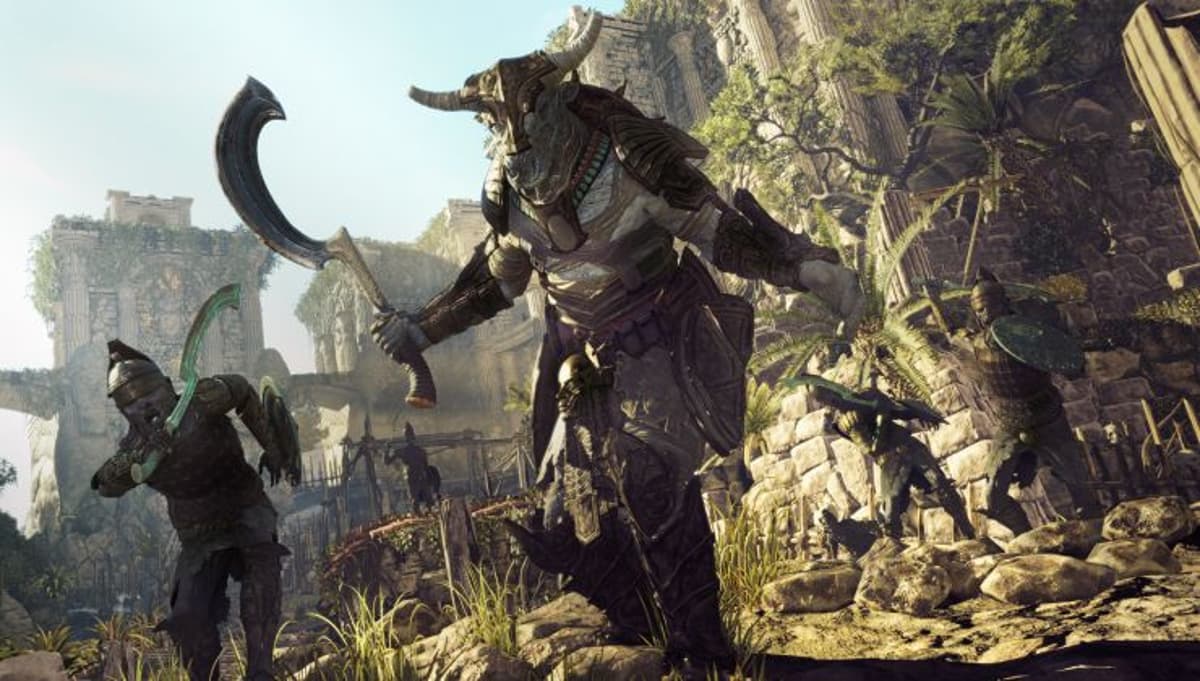
Strange Brigade screenshot

Pictured – Strange Brigade

Release schedule for the next set of updates

| Branch | Expected date | Release notes |

|--------|---------------|---------------|

| 25.3 | 2026‑02‑18 | 25.3.6 – Last planned 25.3 release |

| 26.0 | 2026‑02‑11 | 26.0.0‑rc4 or 26.0.0 final |

| 26.1 | 2026‑04‑15 | 26.1.0‑rc1 (branch point) |

| | 2026‑04‑22 | 26.1.0‑rc2 |

| | 2026‑04‑29 | 26.1.0‑rc3 |

| | 2026‑05‑06 | 26.1.0‑rc4 or 26.1.0 final |

What are you most looking forward to for new features in Mesa 26 and Mesa 26.1? There should be some nice ray‑tracing upgrades we’ve covered previously.

Article taken from GamingOnLinux.com.

Read Original Article
0

Comments

Want to join the conversation?

Loading comments...