Mesa 25.3.6 Released as the Last Bug Fix for This Driver Series
•February 23, 2026
0
Companies Mentioned

Why It Matters
The shift to Mesa 26 ensures continued hardware compatibility and performance improvements for Linux graphics, crucial for gamers and professionals relying on open‑source drivers. Delaying the upgrade could expose systems to unresolved bugs and security risks.
Key Takeaways
- •Mesa 25.3.6 is final bug‑fix for 25 series
- •Focus shifts to Mesa 26 development and upcoming releases
- •Notable fixes include radeonsi GL_FEEDBACK regression and ANV GPU hang
- •Users must upgrade to Mesa 26 for continued support
- •Release schedule outlines eight incremental 26.0 updates through May
Pulse Analysis
Mesa’s open‑source graphics stack remains a cornerstone of Linux gaming and professional visualization, and each release cycle reflects a balance between stability and innovation. The 25.3.6 update closes the 25.x branch with targeted fixes for legacy OpenGL pathways, Vulkan drivers, and specific GPU regressions. By resolving the radeonsi GL_FEEDBACK anomaly and the ANV water‑box flicker, the patch restores confidence for developers testing across AMD and Intel architectures, while also cleaning up buffer binding edge cases that could cause subtle rendering glitches.
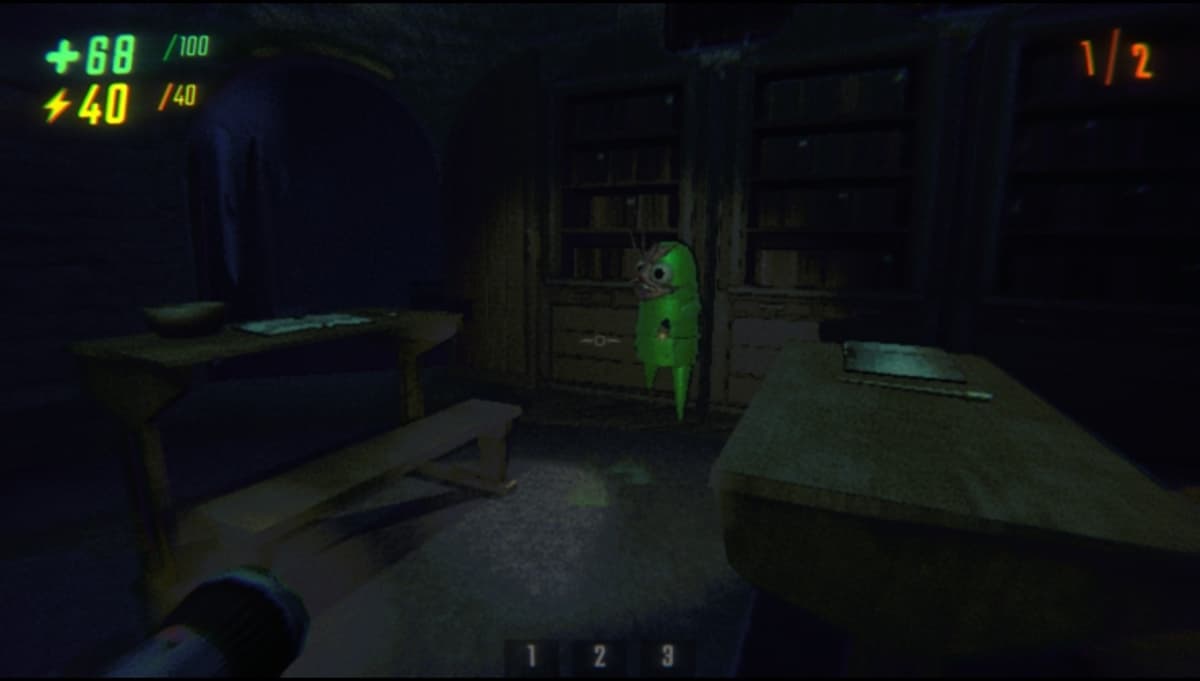
The decision to label 25.3.6 as the last bug‑fix for the series is a strategic move. It signals that the community and downstream distributors should plan migration paths to Mesa 26, where broader API support and performance optimizations are slated. The release notes highlight a handful of critical regressions—such as the Venus device creation crash and the R.E.P.O. GPU hang—that, if left unaddressed, could degrade user experience on newer hardware. By consolidating these fixes, the Mesa team reduces technical debt before allocating resources to the next major version.
Looking ahead, Mesa 26’s roadmap outlines a rapid cadence of eight incremental 26.0 point releases, culminating in a final 26.0.7 build before the branch pivots to 26.1 RC candidates. This aggressive schedule aims to deliver timely driver updates, security patches, and feature flags for emerging GPU generations. Enterprises and power users should monitor the release calendar, test the 26.0.1 preview, and plan for a seamless transition to maintain optimal graphics performance and security compliance.
Mesa 25.3.6 released as the last bug fix for this driver series
0
Comments
Want to join the conversation?
Loading comments...