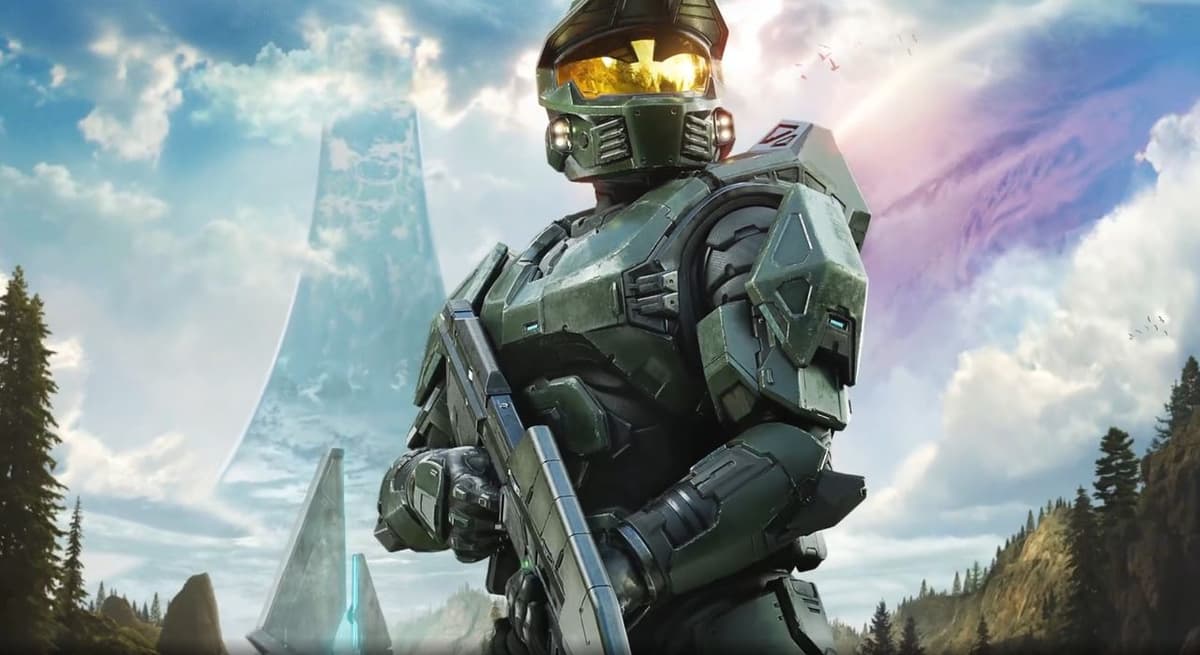
Microsoft Is Looking to Speed up Development of Future Elder Scrolls, Fallout, and Halo Games
Companies Mentioned
Why It Matters
Accelerating flagship titles could revive Xbox’s console relevance and boost Microsoft’s gaming revenue, while a structural split may reshape the company’s valuation and partnership opportunities.
Key Takeaways
- •Microsoft may spin Xbox into standalone or subsidiary.
- •Joint venture options explored to ease future Xbox sale.
- •Increased budget approved for Halo, Fallout, Elder Scrolls franchises.
- •Goal: accelerate development after long gaps since last releases.
- •Funding alone may not guarantee timely, quality game launches.
Pulse Analysis
Microsoft’s contemplation of an Xbox spin‑off reflects a broader industry trend where large tech firms reassess the fit of gaming units within their corporate portfolios. By positioning Xbox as a separate entity or a joint‑venture partner, Microsoft could unlock a clearer path to a future sale or strategic alliance, potentially attracting investors who value a pure‑play gaming business. The move also signals confidence that the Xbox brand, bolstered by its subscription services and cloud gaming ambitions, can stand on its own financial footing.
At the heart of the restructuring is a renewed financial commitment to three of Microsoft’s most valuable IPs: Halo, Fallout and The Elder Scrolls. After 11 years since Fallout 4, 15 years since Skyrim, and a decade of silence on the next Elder Scrolls, gamers are demanding fresh content. By allocating additional capital—though exact figures remain undisclosed—Microsoft hopes to compress development cycles, deliver new titles faster, and re‑energize franchise fanbases. Yet history shows that money alone cannot solve systemic challenges such as talent shortages, creative direction, and evolving live‑service expectations.
The outcome of these initiatives will reverberate across the gaming ecosystem. A successful spin‑off could create a more agile Xbox entity, potentially leading to partnerships that expand its reach on PC and mobile platforms. Conversely, if increased spending fails to translate into high‑quality releases, Microsoft risks eroding consumer trust and missing revenue targets in a market dominated by Sony, Nintendo and emerging cloud competitors. Stakeholders will be watching closely to see whether the strategic gamble restores Xbox’s competitive edge and delivers the long‑awaited next chapters of its flagship series.
Microsoft is looking to speed up development of future Elder Scrolls, Fallout, and Halo games
Comments
Want to join the conversation?
Loading comments...