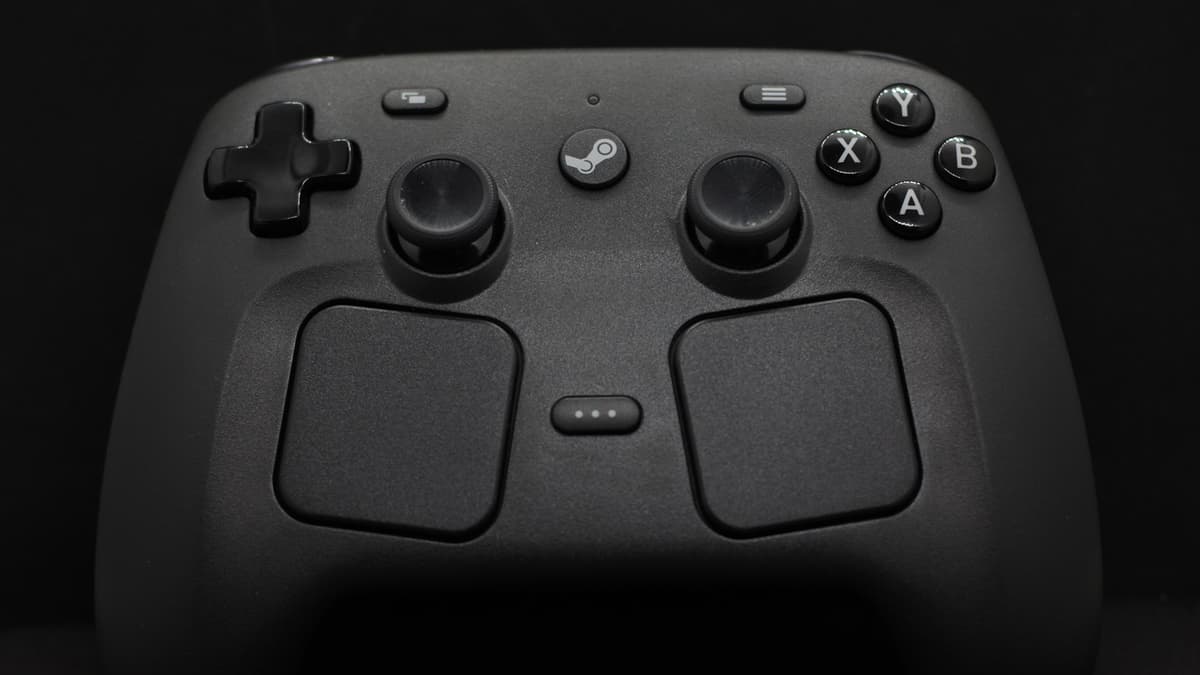
'Millimeters Matter:' Making the Steam Controller 'Just Work' On Day One
Why It Matters
By eliminating onboarding friction, Valve strengthens its hardware ecosystem and nudges developers toward broader controller support, expanding Steam’s revenue potential and user engagement.
Key Takeaways
- •Steam Controller ships with plug‑and‑play Puck for instant pairing.
- •Redesigned D‑pad and rear buttons improve ergonomics over Steam Deck.
- •Valve tested millimeter‑scale prototypes to suit diverse hand sizes.
- •40k US units suggest ~125k Steam Machines at launch.
- •Developers urged to add Steam Input support for broader reach.
Pulse Analysis
The new Steam Controller exemplifies Valve’s shift from novelty to reliability. By bundling a dedicated “Steam Puck” that handles USB‑C charging, wireless pairing and firmware updates, the company reduces the “time to game” to a three‑step process: unbox, plug, play. This plug‑and‑play approach mirrors the seamless onboarding that modern consumers expect from smartphones and smart‑home devices, and it directly addresses the friction that plagued the original controller’s learning curve. Millimeter‑precise adjustments to the D‑pad, grip curvature, and rear buttons were validated through in‑house and external playtests, ensuring the device feels natural for a wide range of hand sizes.
From a market perspective, Valve is positioning the controller as the default peripheral for its expanding Steam ecosystem. Analysts estimate 40,000 units will ship in the United States, a figure that, when applied to the Nintendo Switch 2 Pro’s 32 percent attachment rate, translates to roughly 125,000 Steam Machines sold in the initial window. While these numbers are modest compared with mainstream console accessories, they signal a strategic focus on monetizing existing Steam users rather than capturing new audiences. The controller’s design, refined from the Steam Deck’s rear paddles and D‑pad, also sets a template that third‑party manufacturers may emulate.
For developers, the controller’s success hinges on robust Steam Input integration. Valve’s data shows a steady year‑over‑year rise in controller usage on PC, driven largely by Deck owners and now the new gamepad. By supporting both default and community‑crafted configurations, studios can broaden accessibility and extend the lifespan of their titles. However, mixed‑input scenarios—simultaneous keyboard, mouse, and gamepad use—present a design challenge that requires careful UI mapping. Valve’s upcoming tutorials aim to lower the barrier for creators, potentially accelerating adoption of custom control schemes across the Steam catalog.
'Millimeters matter:' Making the Steam Controller 'just work' on day one
Comments
Want to join the conversation?
Loading comments...