Gaming News and Headlines
  • All Technology
  • AI
  • Autonomy
  • B2B Growth
  • Big Data
  • BioTech
  • ClimateTech
  • Consumer Tech
  • Crypto
  • Cybersecurity
  • DevOps
  • Digital Marketing
  • Ecommerce
  • EdTech
  • Enterprise
  • FinTech
  • GovTech
  • Hardware
  • HealthTech
  • HRTech
  • LegalTech
  • Nanotech
  • PropTech
  • Quantum
  • Robotics
  • SaaS
  • SpaceTech
AllNewsDealsSocialBlogsVideosPodcastsDigests

Gaming Pulse

EMAIL DIGESTS

Daily

Every morning

Weekly

Sunday recap

NewsDealsSocialBlogsVideosPodcasts
GamingNewsMindsEye Studio Reportedly Installed Monitoring Software on Staff PCs without Their Knowledge, as Execs Continue Alleging Sabotage
MindsEye Studio Reportedly Installed Monitoring Software on Staff PCs without Their Knowledge, as Execs Continue Alleging Sabotage
Gaming

MindsEye Studio Reportedly Installed Monitoring Software on Staff PCs without Their Knowledge, as Execs Continue Alleging Sabotage

•February 10, 2026
0
Rock Paper Shotgun
Rock Paper Shotgun•Feb 10, 2026

Why It Matters

The episode underscores the clash between employee privacy and corporate security in high‑risk game development, potentially eroding staff morale and influencing market perception of the title.

Key Takeaways

  • •Teramind monitoring installed without employee consent
  • •Staff noticed slowdown, then signed updated IT policy
  • •Executives claim external sabotage targeting MindsEye
  • •Software removal linked to game’s commercial success
  • •Earlier staff letter cited mishandled redundancies, unrest

Pulse Analysis

Employee monitoring tools like Teramind have become commonplace in tech firms seeking to curb data leaks and boost productivity, yet their covert deployment can spark privacy concerns, especially in creative environments where trust fuels innovation. In the gaming sector, where development cycles are intense and intellectual property highly valuable, studios often justify surveillance as a defensive measure. However, undisclosed installation risks alienating talent, prompting resignations, and attracting negative press that can outweigh any security gains.

Build A Rocket Boy’s claim of an external sabotage campaign adds a layer of complexity to the monitoring decision. Executives allege that a large American entity is deliberately undermining MindsEye’s reputation, prompting them to seek proactive defenses against potential leaks or coordinated attacks. While such threats are plausible in a competitive market, the lack of transparency around the monitoring rollout fuels speculation about internal dissent and may amplify the narrative of sabotage, creating a feedback loop that harms both employee confidence and public perception of the game.

The broader industry implications are clear: studios must balance robust security protocols with clear communication and respect for employee rights. Transparent policies, regular briefings, and opt‑in mechanisms can mitigate backlash while still protecting critical assets. As MindsEye’s launch approaches, the studio’s ability to restore trust will influence not only its internal culture but also investor confidence and consumer anticipation. Companies that navigate this tension effectively are likely to emerge stronger, setting a benchmark for privacy‑aware security practices in the gaming world.

MindsEye studio reportedly installed monitoring software on staff PCs without their knowledge, as execs continue alleging sabotage

Image credit: Build A Rocket Boy / Rock Paper Shotgun

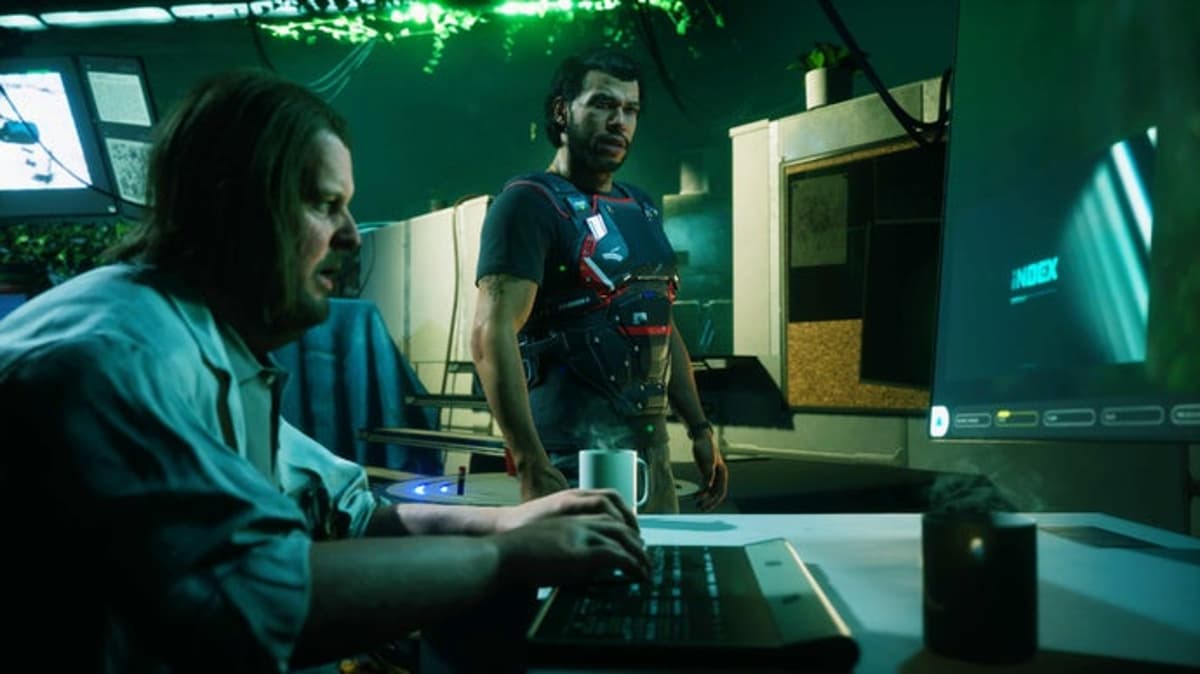
Management at Scottish studio Build A Rocket Boy, makers of notoriously panned GTA‑like MindsEye, have reportedly installed monitoring software onto the PCs of their staff without informing the workers beforehand. The move appears to be linked to ongoing claims from BARB executives that the game’s prospects have been deliberately sabotaged by third parties.

GamesIndustry.biz and Insider Gaming report that Teramind monitoring software has been installed on staff PCs, with GamesIndustry stating the workers first found out by noticing that their machines were running more slowly than usual. The GI report claims that Build A Rocket Boy management subsequently came clean and asked the staff to sign an updated IT privacy policy.

Teramind’s software, according to the cybersecurity firm’s website, “enables proactive protection against insider threats, data breaches, productivity inefficiencies, and compliance challenges.”

During an impromptu all‑hands meeting in late January, Build A Rocket Boy co‑CEO Mark Gerhard reportedly acknowledged “confusion, upset, perhaps even mistrust” caused by the software’s rollout.

“I think it goes without saying that we can trust 99.9 % of this business,” the exec continued. “The problem is the one. It’s the 1 %. That is the problem.”

GamesIndustry.biz and Insider Gaming quote this alleged line with slightly different wording.

The reports cite Gerhard as having said that the studio hopes to be able to remove the software “within three months”, though according to GamesIndustry this hope was caveated as being tied to MindsEye’s success.

I’ve reached out to Build A Rocket Boy for comment.

That January meeting reportedly saw Gerhard claim that “a very big American company” had spent money in an effort to damage Build A Rocket Boy’s reputation.

“Sadly, we do have evidence that there has been a coordinated campaign to purposefully and maliciously damage Build A Rocket Boy’s reputation and undermine confidence in MindsEye,” a spokesperson for the studio told GamesIndustry. “We are working with our legal team and taking steps to address this.”

Gerhard and fellow BARB co‑CEO Leslie Benzies, the former president of Rockstar North, have previously alleged that MindsEye’s failure was influenced by what Benzies has reportedly called “internal and external saboteurs”.

Speaking of Benzies, GamesIndustry reports that the co‑CEO is on “a well‑earned temporary leave to recharge after more than a year of working around the clock”, according to an email Gerhard sent to BARB staff following the January meeting. Benzies recently issued a statement to Kotaku denying an accusation of sexual assault by an alleged victim of convicted sex offender Jeffrey Epstein, following the U.S. government’s publication of the Epstein files.

“These allegations are false,” Benzies’ statement read. “I had a 3‑month consensual relationship with this person, and I have never met Jeffrey Epstein, nor have I ever visited his island, his properties or travelled on his plane. Any suggestion otherwise is misleading.”

In October last year, 93 current and former staff at Build A Rocket Boy signed an open letter accusing the studio’s executives of having “consistently mishandled the redundancy process” which began not long after the game’s launch. In a statement issued to Rock, Paper, Shotgun, a Build A Rocket Boy spokesperson responded that the studio “didn’t anticipate having to make redundancies after launch, but we approached the process with care and transparency, meeting all our obligations”.

Read Original Article
0

Comments

Want to join the conversation?

Loading comments...