Mixtape Might Be Too Toxic to Be a GOTY Contender at the Game Awards
Why It Matters
The controversy highlights a growing tension between polished, story‑focused titles and the authenticity criteria that the Game Awards jury increasingly uses to evaluate indie games, potentially reshaping how such projects are funded and marketed.
Key Takeaways
- •Indie games have historically struggled for Game of the Year recognition
- •Mixtape boasts cinematic production and a curated licensed soundtrack
- •Critics label Mixtape inauthentic due to lack of fail states
- •The Game Awards jury favors authentic, passion‑driven indie titles
- •Perceived corporate backing may hinder Mixtape’s awards prospects
Pulse Analysis
The Game Awards has traditionally favored blockbuster productions, leaving indie developers on the periphery. A notable shift occurred in 2024 when half of the six Game of the Year nominees also contended for Best Independent Game, signaling a tentative embrace of smaller studios. This evolution opened a door for titles like Mixtape, which combine high‑budget aesthetics with a narrative focus, to be considered alongside genre‑defining indie hits such as Hades 2 and Hollow Knight: Silksong.
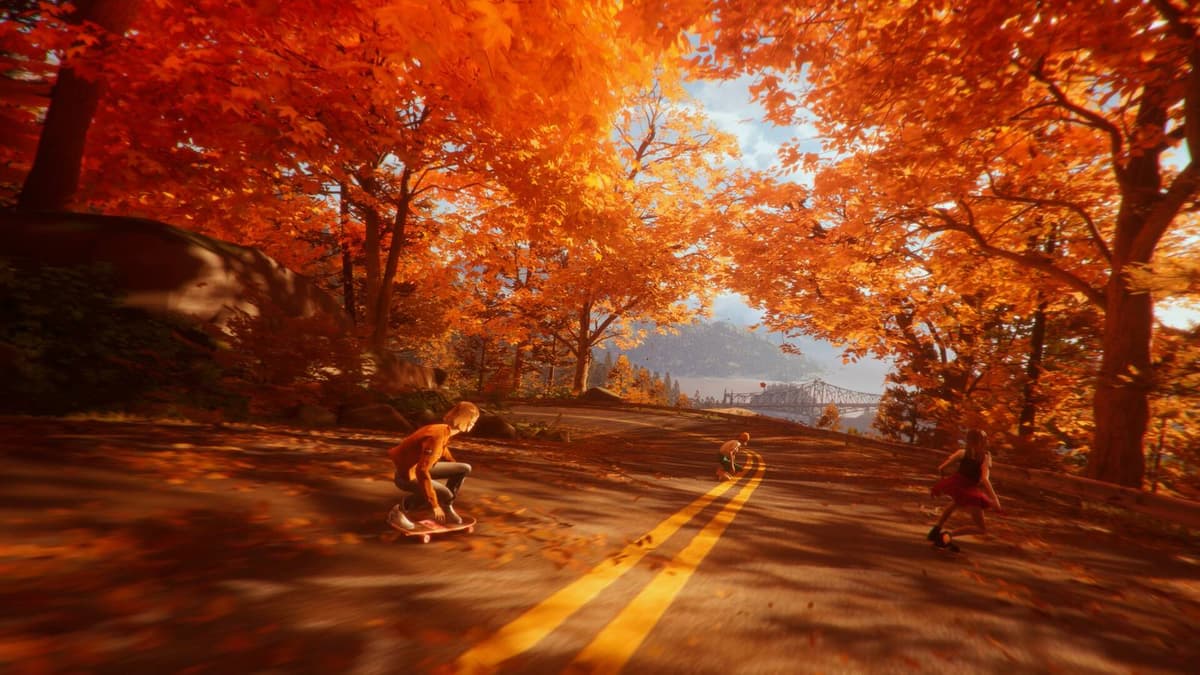
Mixtape’s appeal lies in its cinematic storytelling, meticulously curated soundtrack, and polished visuals that rival major releases. Yet the game’s minimalist mechanics—no fail states and limited player agency—have sparked a backlash that questions its status as a "real" game. Critics argue that the experience feels more like an interactive film than a traditional playtest, and that its polished veneer masks a corporate influence that undermines indie authenticity. This authenticity debate mirrors earlier discussions around titles like Clair Obscur, where funding sources and creative control became focal points for award considerations.
The fallout from Mixtape’s reception could influence future indie development strategies. Studios may weigh the trade‑off between cinematic ambition and gameplay depth, aiming to satisfy both critics and award juries that prize genuine passion projects. Moreover, the perception of corporate backing may deter some voters, reinforcing the notion that indie credibility hinges on perceived artistic purity. As the industry watches, Mixtape’s fate may serve as a barometer for how far narrative‑driven, high‑production indie games can push the boundaries of award eligibility without sacrificing their core identity.
Mixtape might be too toxic to be a GOTY contender at the Game Awards
Comments
Want to join the conversation?
Loading comments...