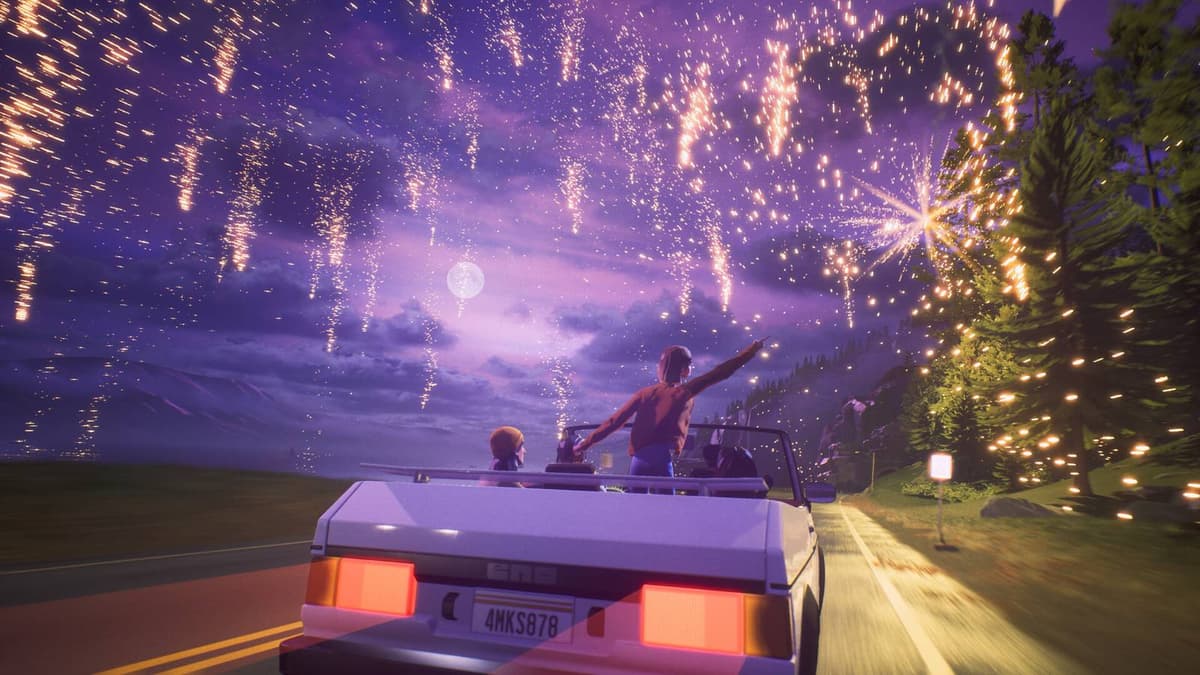
Mixtape's Licensed Soundtrack Justifies Lack of Streamer Mode
Why It Matters
The decision highlights how music licensing can limit streaming visibility, affecting both promotional reach and revenue streams for new releases. It also signals that developers may need to balance artistic intent with the commercial benefits of streamer-friendly features.
Key Takeaways
- •Mixtape holds 94 OpenCritic score, topping 2026 releases
- •Game received perfect 10/10 rating from DualShockers
- •Developer cites licensed soundtrack as reason for no streamer mode
- •Removing music would breach licensing agreements and dilute experience
- •Streamers may face limited exposure until game’s launch
Pulse Analysis
Mixtape’s meteoric rise to the top of OpenCritic’s rankings reflects a broader shift toward narrative‑driven, music‑centric games in 2026. Scoring a 94 and a flawless 10/10, the title eclipsed Pokémon Pokopia, which had dominated the charts for weeks. Critics praised its nostalgic soundtrack, humor, and emotional resonance, positioning Mixtape as a benchmark for how curated music can elevate gameplay. This critical acclaim not only boosts consumer anticipation but also sets a high bar for competitors seeking to blend storytelling with licensed tracks.
The developer’s refusal to add a Streamer Mode stems from the intricacies of music licensing. Each song in Mixtape is cleared for consumer use but not for public broadcast, a common restriction that can trigger hefty penalties if violated. By keeping the soundtrack intact, Beethoven and Dinosaur preserve the game’s artistic integrity, yet they also forfeit the promotional boost that live streaming provides. Streamers, who drive discovery for many modern titles, will be limited to muted playthroughs or delayed uploads, potentially curbing early sales momentum.
Industry observers see Mixtape’s stance as a cautionary tale for future releases. Studios may need to negotiate broader rights up front or create separate “streamer‑friendly” builds that replace licensed tracks with royalty‑free alternatives. While such compromises could dilute the intended experience, they offer a pathway to harness the massive audience that platforms like Twitch command. Ultimately, the balance between creative vision and market exposure will shape how licensed‑music games navigate the streaming era.
Mixtape's Licensed Soundtrack Justifies Lack of Streamer Mode
Comments
Want to join the conversation?
Loading comments...