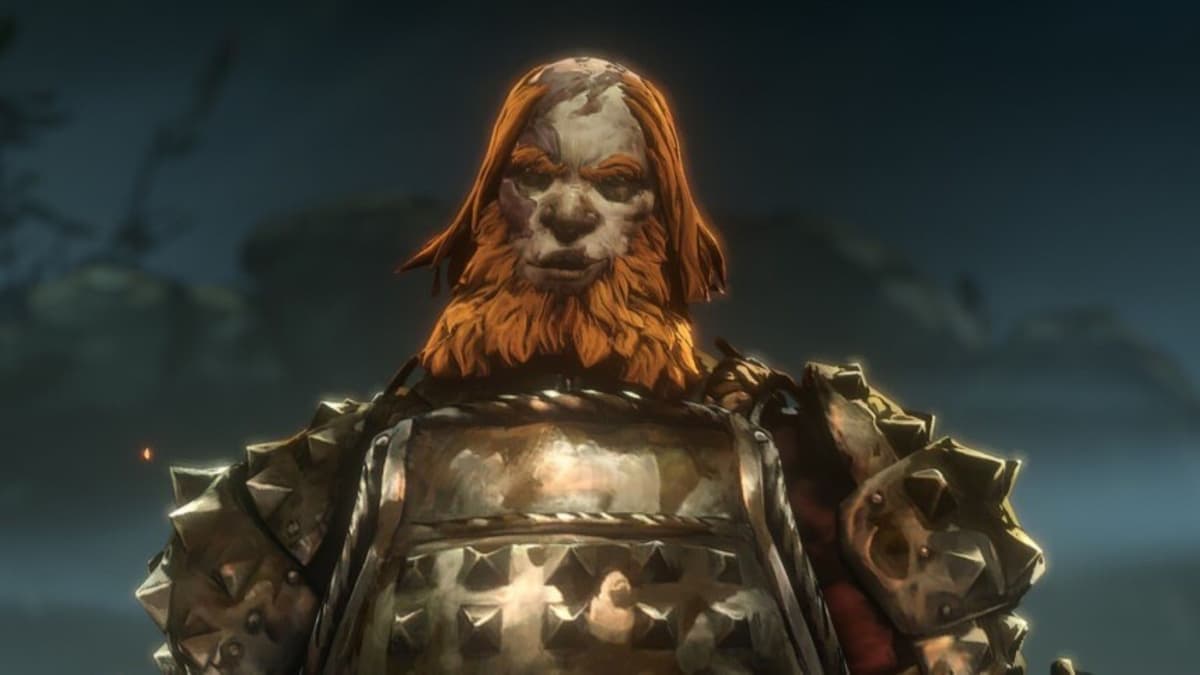
Moon Studios' CEO Thinks No Rest for the Wicked Could Be a "Forever Game" With the Foundations of One that "Could Rival Hades"
•March 2, 2026
0
Why It Matters
The turnaround demonstrates how post‑launch content can revive indie titles and positions Moon Studios to compete in both ARPG and survival‑game markets, reshaping revenue expectations for small studios.
Key Takeaways
- •Co‑op update boosted sales from 1M to 1.5M quickly
- •Monthly peak players doubled after January sale and update
- •CEO envisions a 'forever game' rivaling Hades
- •Plans to leverage combat system for deep survival title
- •Revenue now covers studio costs for an entire month
Pulse Analysis
The recent surge in No Rest for the Wicked illustrates the power of strategic post‑launch support. After a modest early‑access debut, Moon Studios introduced a co‑op mode and a timed discount that reignited community interest, driving a 50 percent sales jump in a matter of weeks. This pattern mirrors successful revivals seen in other indie ARPGs, where live‑service updates extend product lifecycles and generate sustained revenue streams beyond the initial launch window.
Mahler’s vision of a "forever game" signals a shift toward hybrid design philosophies that blend traditional ARPG depth with roguelike replayability. By positioning the title against genre benchmarks like Hades, the studio aims to capture players seeking both narrative richness and procedural challenge. Leveraging the existing combat framework reduces development risk while allowing iterative expansion, a model increasingly favored by mid‑size developers looking to maximize content output without overextending resources.
Looking ahead, Moon Studios’ contemplation of a survival game built on the same combat engine could disrupt a crowded market that often sacrifices combat depth for systems‑heavy mechanics. If executed, such a title would offer a rare combination of high‑skill combat and emergent survival gameplay, potentially setting a new standard for genre crossovers. For investors and industry observers, the studio’s trajectory underscores how agile content updates and ambitious roadmap planning can transform a struggling launch into a long‑term revenue engine.
Moon Studios' CEO thinks No Rest for the Wicked could be a "forever game" with the foundations of one that "could rival Hades"
0
Comments
Want to join the conversation?
Loading comments...