Why It Matters
The piece illustrates how character personality drives community engagement, reinforcing Skyrim’s long‑term revenue streams and brand relevance in the competitive gaming market.
Key Takeaways
- •Skyrim remains popular over a decade after release
- •Modding community sustains player engagement
- •NPC arrogance fuels humor and community discussion
- •Njada Stonearm caps at level 25, limiting usefulness
- •Player perception of characters drives game longevity
Pulse Analysis
Skyrim’s enduring success is a case study in how a well‑crafted open‑world title can generate sustained revenue long after its initial release. The game’s sales have consistently topped $30 billion in cumulative revenue, bolstered by periodic remasters and a thriving modding community that adds fresh content weekly. This ecosystem not only extends player lifespans but also creates ancillary markets for user‑generated assets, driving ongoing engagement and brand loyalty in a crowded entertainment landscape.
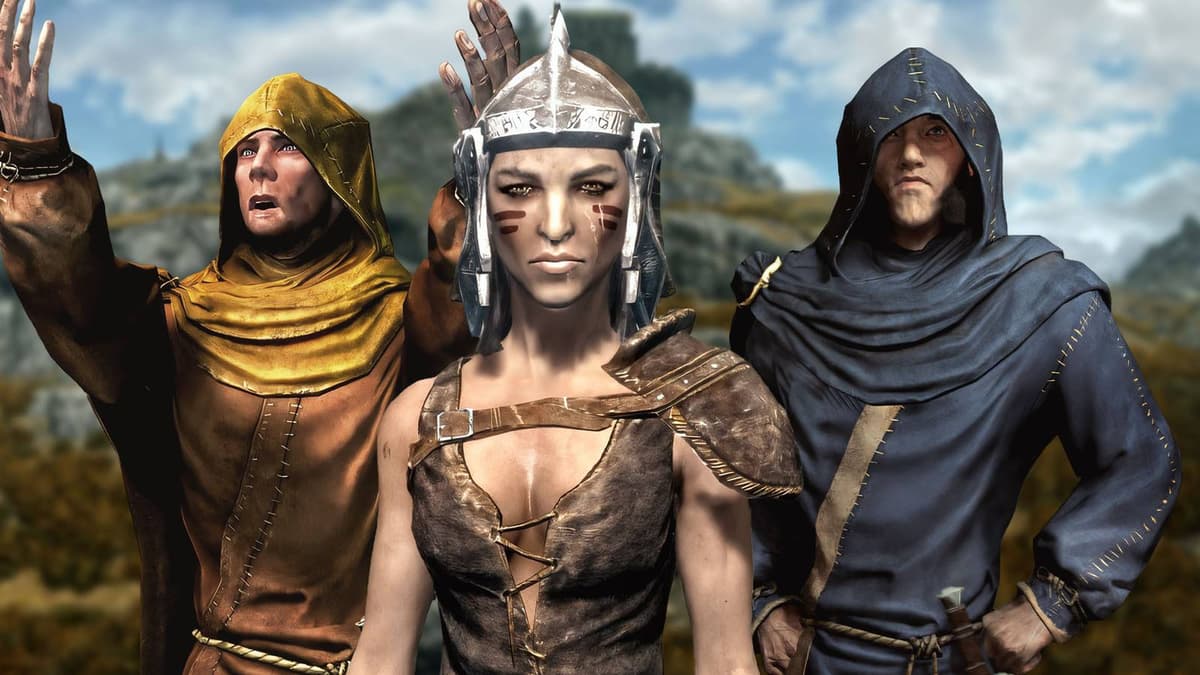
The recent spotlight on six overly‑confident NPCs reveals why character design matters beyond core mechanics. Players latch onto memorable dialogue, turning minor quirks into viral memes that circulate across forums, Twitch streams, and social media. Such organic promotion amplifies the game’s visibility, encouraging new purchases and mod development. Moreover, the discussion around NPCs like Njada Stonearm—whose level caps at 25—highlights how perceived balance issues can spark community‑driven solutions, from difficulty‑adjusting mods to fan‑made lore expansions.
For developers, Skyrim’s example underscores the commercial value of investing in rich, personality‑driven NPCs and supporting modding tools. Future titles can leverage similar strategies by fostering transparent feedback loops and providing robust SDKs, turning player creativity into a revenue‑enhancing asset. As the industry leans toward live‑service models, the Skyrim formula—combining deep world‑building with community empowerment—offers a blueprint for long‑term profitability and cultural relevance.
Most Arrogant Skyrim NPCs
0
Comments
Want to join the conversation?
Loading comments...