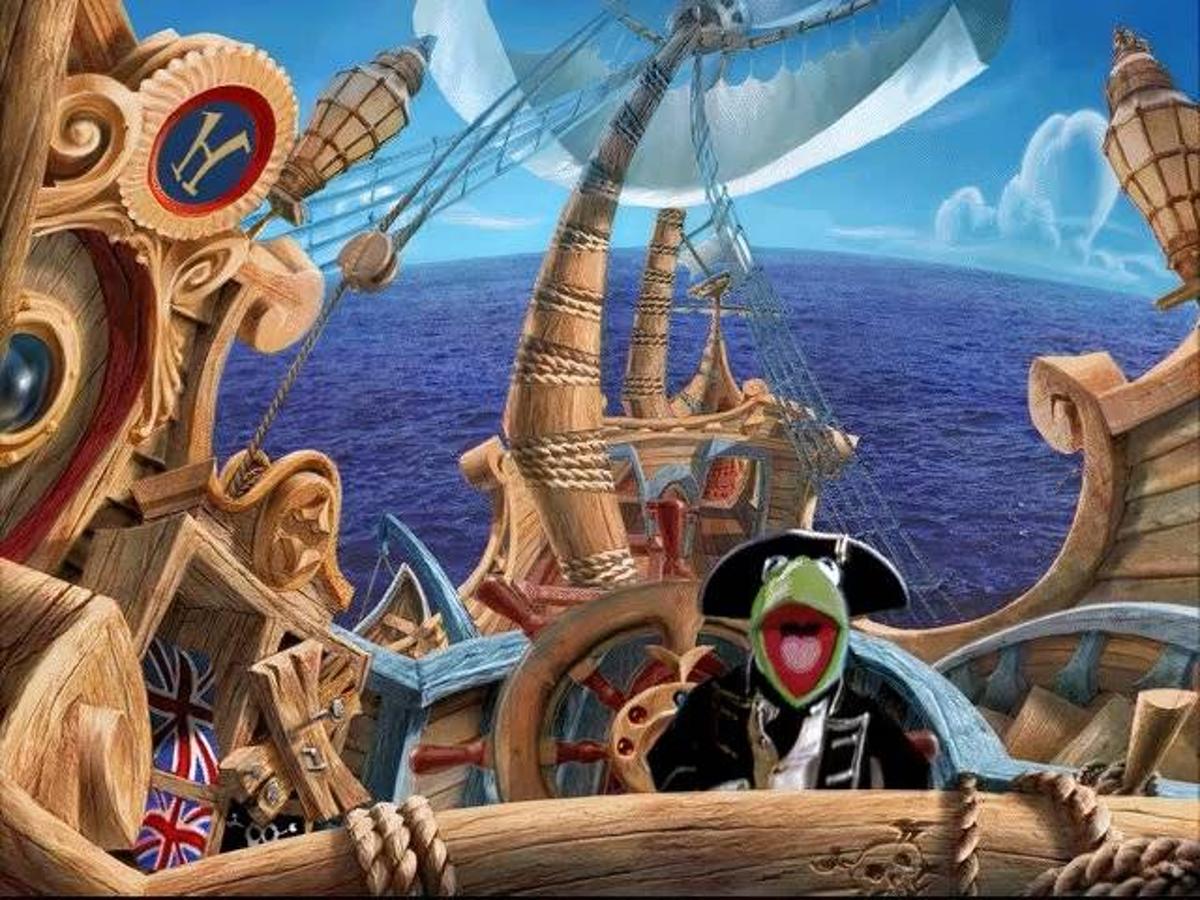
Muppet Treasure Island's PC Game Was Almost the Turning Point for Muppet Video Games
•February 17, 2026
0
Why It Matters
Understanding why Muppet games have faltered highlights the challenges of translating beloved, personality‑driven IP into interactive formats, informing future licensing and development strategies for legacy brands.
Key Takeaways
- •Early Muppet games suffered from weak gameplay and shallow design.
- •Muppet Treasure Island PC game nearly revived the franchise.
- •Disney acquisition halted Muppet game development for a decade.
- •Muppet RaceMania successfully matched characters to suitable kart format.
- •Recent TV specials may spark future game opportunities.
Pulse Analysis
The early 1990s saw Jim Henson Interactive experiment with point‑and‑click adventures that mirrored film narratives, yet these titles failed to capture the spontaneous humor that defines the Muppets. *Muppet Treasure Island* stands out as a near‑turning point; its faithful recreation of movie scenes offered nostalgia but the gameplay remained rudimentary, limiting broader appeal. This pattern underscores a core industry lesson: brand fidelity alone does not guarantee player engagement without solid game mechanics.
When Disney acquired the Muppets in 2004, the focus shifted toward revitalizing the characters on television and film, leaving the video‑game pipeline dormant for a full decade. The hiatus illustrates how corporate strategy can deprioritize ancillary media, especially when the core franchise requires re‑establishment in the public eye. The 2014 PlayStation Vita release, *The Muppets Movie Adventures*, attempted a comeback with side‑scrolling action but suffered from short playtime and simplistic design, reflecting lingering uncertainty about the optimal genre for the Muppets.
Recent successes, such as the Sabrina Carpenter‑hosted *Muppet Show* special, have reignited interest in the property, prompting speculation about a new wave of interactive experiences. Modern developers could leverage the Muppets' strong character dynamics by targeting genres that thrive on personality, like party or narrative‑driven games, while investing in robust mechanics. Aligning the franchise with contemporary platforms and cross‑media marketing could finally turn the Muppets into a sustainable gaming asset, echoing broader trends of legacy IP revitalization in the digital age.
Muppet Treasure Island's PC game was almost the turning point for Muppet video games
0
Comments
Want to join the conversation?
Loading comments...