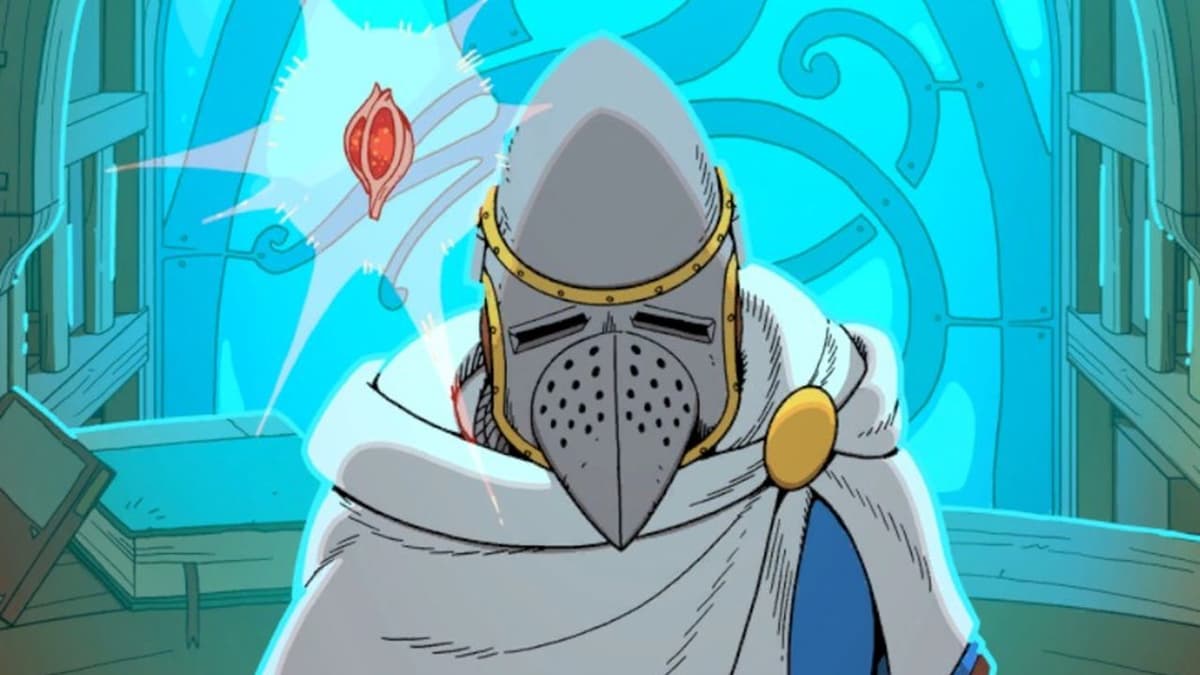
My Favorite RPG of 2026 Put an Impossible Challenge in the Second Room to Teach You Not to Save Scum: 'I Am Your DM, Trust Me'
Why It Matters
The design reshapes how tabletop‑style video games handle failure, reinforcing story integrity and player immersion—a shift that could influence future RPG development.
Key Takeaways
- •Esoteric Ebb uses impossible DC33 Wisdom check to discourage save‑scumming
- •In‑game reroll resource replaces traditional save/load for failed checks
- •Early encounters teach players to accept failure and maintain narrative agency
- •Designer Christoffer Bodegård emphasizes DM trust and illusion of player freedom
- •Failure mechanics draw inspiration from Fallout’s risk‑reward design
Pulse Analysis
Save‑scumming has long plagued both tabletop and digital role‑playing games, allowing players to sidestep narrative stakes by repeatedly reloading until a desired outcome appears. Esoteric Ebb confronts this habit head‑on, embedding a deliberately unattainable DC 33 Wisdom check early in the adventure. Rather than encouraging a reload, the game offers a consumable reroll mechanic that resolves failures quickly, preserving momentum while still penalizing reckless reliance on perfect rolls. This approach reframes failure as a storytelling tool rather than a technical glitch.
Christoffer Bodegård, the game’s lead designer, frames the impossible checks as a tutorial on trust and agency. By presenting a seemingly insurmountable obstacle, he nudges players to accept the consequences of a bad roll and explore alternative solutions—such as gathering items that lower the difficulty or leveraging narrative clues. The design philosophy mirrors classic Fallout risk‑reward scenarios, where players weigh limited resources against uncertain outcomes. The gradual reduction of DCs after each attempt maintains tension without locking players out, fostering a sense of progression and discovery that feels earned rather than scripted.
Industry observers see Esoteric Ebb’s failure‑centric model as a potential blueprint for future narrative‑driven titles. By integrating in‑game mitigation tools and emphasizing DM authority, developers can protect story cohesion while still offering player freedom. This balance could reduce the prevalence of metagaming shortcuts across the RPG landscape, encouraging studios to invest in mechanics that reward resilience and creative problem‑solving over brute‑force perfection.
My favorite RPG of 2026 put an impossible challenge in the second room to teach you not to save scum: 'I am your DM, trust me'
Comments
Want to join the conversation?
Loading comments...