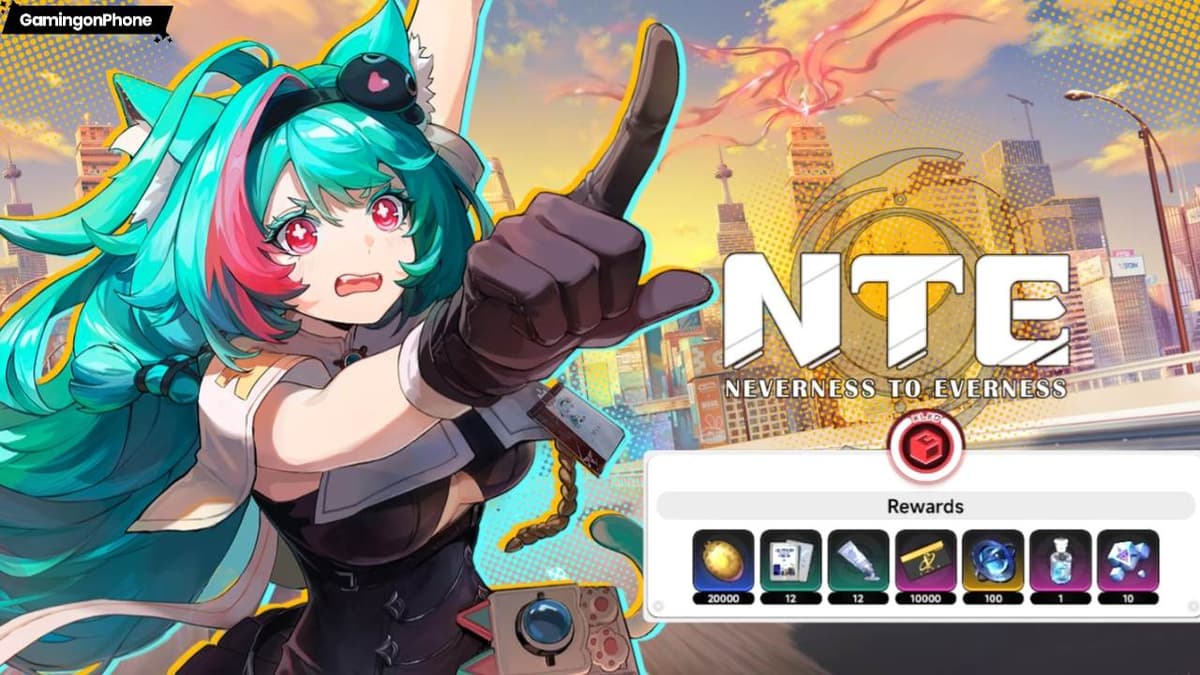
Neverness to Everness: Complete Currency Guide and Tips
Why It Matters
The layered currency design lets Perfect World Games monetize through micro‑transactions while preserving free‑to‑play progression, a balance that drives higher average revenue per user without alienating non‑paying players.
Key Takeaways
- •Annulith powers all character pulls, costing 160 per pull
- •Solid Dice and Fabricated Dice bought with Annulith for banner pulls
- •Lost Piece and Warp Piece buy materials; Warp Piece unlimited
- •Beetle Coin functions like Mora, essential for leveling characters and Arcs
- •Riftcrystal is premium currency purchasable with real money for cosmetics and pulls
Pulse Analysis
Neverness to Everness (NTE) builds its economy on ten distinct currencies, each tied to a specific gameplay loop. Annulith serves as the universal pull token, while Solid Dice and Fabricated Dice differentiate limited‑time and standard banners. Materials such as Lost Piece, Warp Piece, and Medal unlock upgrades but are capped to curb inflation. Beetle Coin, the game’s analogue to Genshin’s Mora, fuels character and Arc leveling, and Fons handles everyday purchases like cars and skins. This granular design lets developers fine‑tune reward pacing and keeps players engaged across multiple loops.
From a monetization perspective, NTE concentrates real‑money spend on Riftcrystal, a premium token that purchases cosmetics, additional pulls, and exclusive skins. By pricing Riftcrystal in small increments, the game mirrors the micro‑transaction model popularized by titles such as Genshin Impact, encouraging frequent, low‑value purchases rather than large one‑off spends. The presence of multiple soft currencies—Annulith, Fons, Beetle Coin—creates conversion funnels that reward time investment while still nudging players toward Riftcrystal when they hit progression plateaus. This layered approach typically boosts average revenue per user without alienating non‑paying audiences.
Industry analysts see NTE’s ten‑currency framework as a response to growing player fatigue with single‑currency gacha systems. By segmenting spend into functional buckets—pulls, upgrades, cosmetics—the game reduces perceived cost barriers and extends the monetization lifespan of each player cohort. For developers, this architecture offers granular data on which loops generate the most engagement, informing future content drops and event timing. Players, meanwhile, can plan budgets around free‑earned Annulith and Beetle Coin while allocating discretionary funds to Riftcrystal, achieving a balanced progression experience.
Neverness to Everness: Complete Currency Guide and Tips
Comments
Want to join the conversation?
Loading comments...