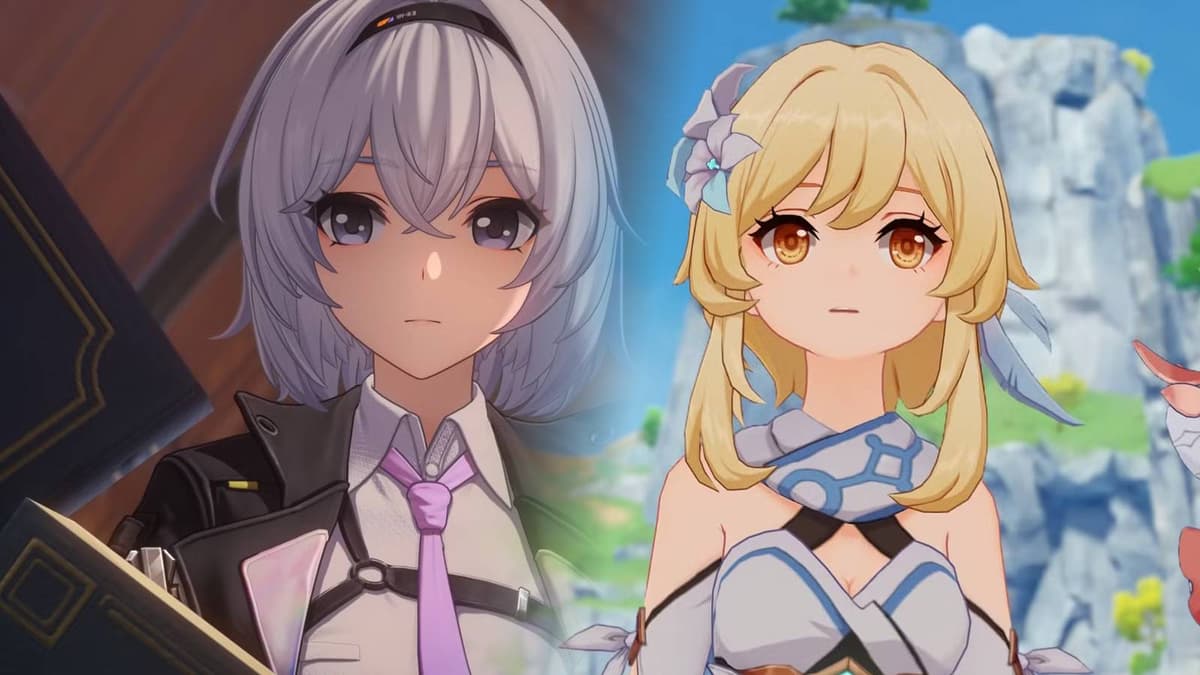
Neverness to Everness: Why NTE Will Give The HoYoVerse A Run For Its Money
Why It Matters
NTE raises the competitive bar for free‑to‑play RPGs, forcing established developers to innovate or risk losing player spend and engagement. Its hybrid of open‑world city life and deep progression could reshape monetization strategies across the genre.
Key Takeaways
- •Four-character combat teams replace three-player limits in similar titles
- •City Tycoon app lets players upgrade the open-world metropolis
- •Real-time rendering minimizes loading screens during city exploration
- •First-person view option adds immersion absent in HoYoVerse games
Pulse Analysis
The free‑to‑play RPG market has been dominated for years by miHoYo’s HoYoVerse titles, which built massive player bases around *Genshin Impact*, *Honkai: Star Rail* and *Zenless Zone Zero*. Hotta Studio’s *Neverness to Everness* (NTE) enters this space with a clear intent: to capture a slice of that audience by blending familiar action‑RPG mechanics with fresh, city‑centric design. By offering a four‑character party that can be swapped instantly, NTE addresses a limitation in *Zenless Zone Zero* while preserving the fluid combat that fans expect from miHoYo’s games.
Beyond combat, NTE differentiates itself through layered progression systems. Every character is linked to an in‑game phone, creating a Persona‑style bond that deepens narrative engagement. The City Tycoon app turns the sprawling metropolis of Hethereau into a living, upgradeable sandbox, ensuring that grinding for materials feels purposeful rather than repetitive. Real‑time rendering eliminates most loading screens, and the addition of a first‑person perspective—plus drivable scooters and cars—injects a GTA‑like freedom rarely seen in free‑to‑play RPGs. These features collectively raise the perceived value of the game’s free tier while opening new avenues for monetization.
NTE’s launch signals a shift in how developers approach the free‑to‑play genre. By marrying open‑world city exploration with deep character systems and seamless combat, Hotta Studio forces incumbents like miHoYo to reconsider their own roadmaps. The heightened competition could accelerate innovations around player retention, cross‑play, and in‑game economies, ultimately benefiting gamers who now have a richer set of choices. As the market watches NTE’s performance, its success or failure will likely influence the next wave of RPG development, pushing the industry toward more immersive, city‑driven experiences.
Neverness to Everness: Why NTE Will Give The HoYoVerse A Run For Its Money
Comments
Want to join the conversation?
Loading comments...