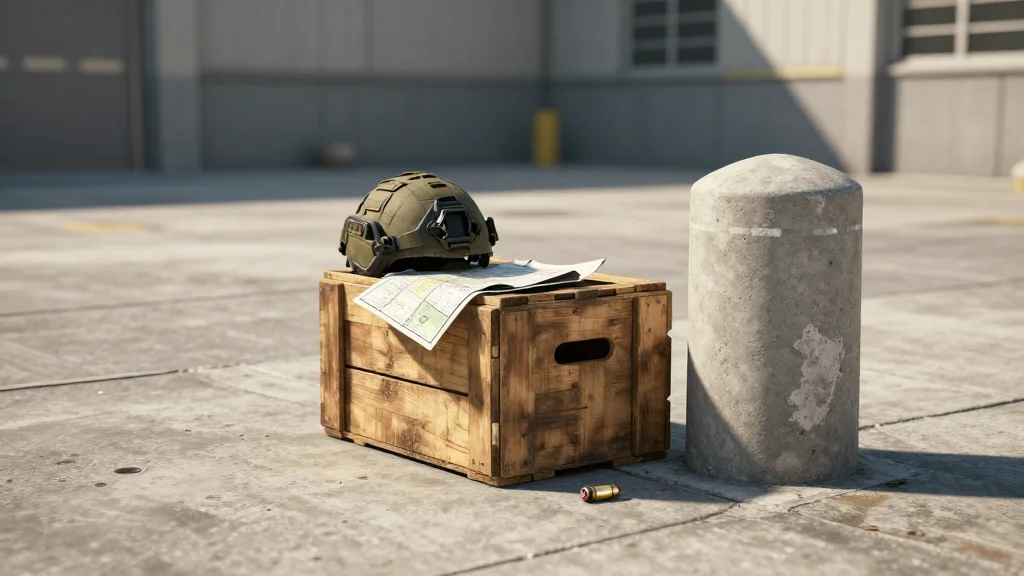
New Counter-Strike Map Splinter Emerges as a Competitive Talking Point
Why It Matters
A polished, balanced map could reshape professional CS2 strategies and expand the competitive map pool, directly influencing tournament preparation and outcomes.
Key Takeaways
- •FMPONE released Splinter on April 12 via Steam Workshop
- •Map features verticality, tight lanes, Canadian Rockies theme
- •Early feedback praises design but notes FPS drops and bugs
- •Active‑pool entry needs performance polish and balanced rotations
- •Pro teams will test in practice lobbies before official adoption
Pulse Analysis
The latest Counter‑Strike 2 map, de_Splinter, hit the Steam Workshop on April 12, courtesy of veteran mapper Shawn “FMPONE” Snelling. Known for co‑creating the classic Cache, FMPONE brings a meticulously crafted environment set in a Canadian Rockies sawmill, blending dense foliage, sharp lighting, and pronounced verticality. The map’s layout emphasizes tight corridors and multiple sightlines, offering fresh tactical possibilities for both attackers and defenders. Early community reaction has praised its aesthetic fidelity and strategic depth, positioning Splinter as a serious contender among the flood of community‑driven releases.
Despite the strong first impression, Splinter faces a steep hurdle before entering Valve’s official seven‑map pool. Players have already reported FPS drops, visual clutter, missing collision and occasional C4‑stuck spots, issues that can hinder competitive viability. Pro teams typically vet new maps through workshop lobbies, pug data, and utility testing, looking for clear sightlines, balanced rotation times, and reliable performance. Until a hot‑fix patch resolves these technical flaws, the map will likely remain a high‑skill practice tool rather than a staple in Premier or BLAST events.
If Splinter can overcome its early bugs and demonstrate consistent balance, it could reshape the CS2 competitive landscape. A new map entering the active pool forces teams to revise strategies, invest in utility research, and allocate practice time, potentially influencing outcomes in upcoming tournaments such as BLAST Premier Open Season 2 in Porto. Moreover, successful community‑driven additions reinforce the viability of the Steam Workshop as a pipeline for official content, encouraging creators to innovate and keeping the esports ecosystem dynamic.
New Counter-Strike map Splinter emerges as a competitive talking point
Comments
Want to join the conversation?
Loading comments...