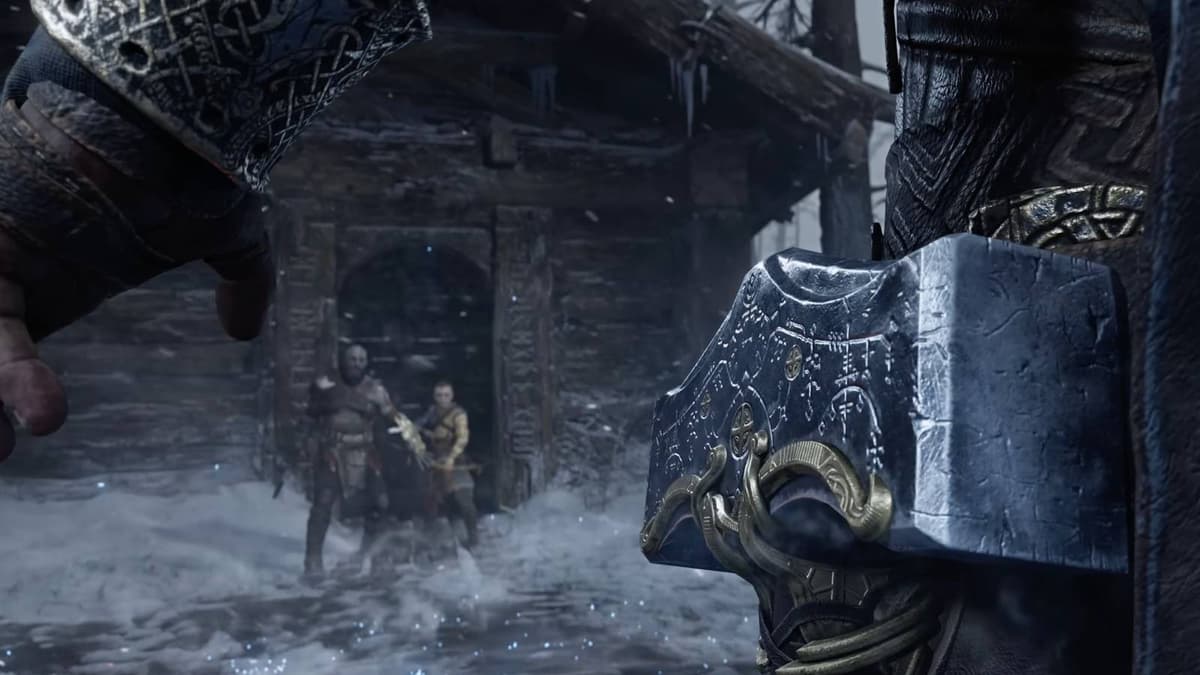
New God Of War Franchise In Development At Sony Santa Monica
•March 1, 2026
0
Companies Mentioned
Why It Matters
Expanding the God of War universe with new protagonists diversifies Sony's flagship IP, potentially attracting broader audiences and extending the franchise’s revenue lifecycle.
Key Takeaways
- •Former Sony writer hints new God of War franchise
- •New title may feature characters beyond Kratos
- •Potential launch as early as summer 2026
- •Could expand series into new mythological realms
- •Bloomberg notes game may feel like separate IP
Pulse Analysis
Sony’s God of War series has become a cornerstone of PlayStation’s portfolio, consistently delivering blockbuster sales and critical acclaim. Recent announcements of a classic trilogy remake underscore the studio’s commitment to preserving legacy while capitalizing on nostalgia. The emergence of a new franchise within the same mythic universe reflects a strategic pivot: rather than relying solely on the aging Kratos narrative, Sony appears poised to explore untapped mythologies, offering fresh storytelling opportunities and reinvigorating the brand for both longtime fans and newcomers.
Industry analysts view the prospective shift as a calculated risk that could pay dividends. By introducing a new protagonist and possibly a different cultural pantheon—such as Egyptian or Norse offshoots—Sony can diversify its content pipeline and mitigate franchise fatigue. This approach aligns with broader trends in gaming where studios leverage established worlds to launch spin‑offs that feel like standalone IPs, thereby expanding merchandising, cross‑media adaptations, and live‑service potential without diluting the core brand identity.
From a business perspective, a new God of War‑adjacent title bolsters PlayStation’s competitive edge against rivals like Xbox and Nintendo, reinforcing exclusive content that drives console sales and subscription growth for PlayStation Plus. Early summer speculation suggests a timely reveal that could sustain momentum ahead of the holiday season, maximizing pre‑order revenue and media buzz. Moreover, the project’s likely multi‑realm scope opens avenues for DLC, expansions, and possible integration into future media ventures, reinforcing Sony’s long‑term monetization strategy across gaming and entertainment ecosystems.
New God Of War Franchise In Development At Sony Santa Monica
0
Comments
Want to join the conversation?
Loading comments...