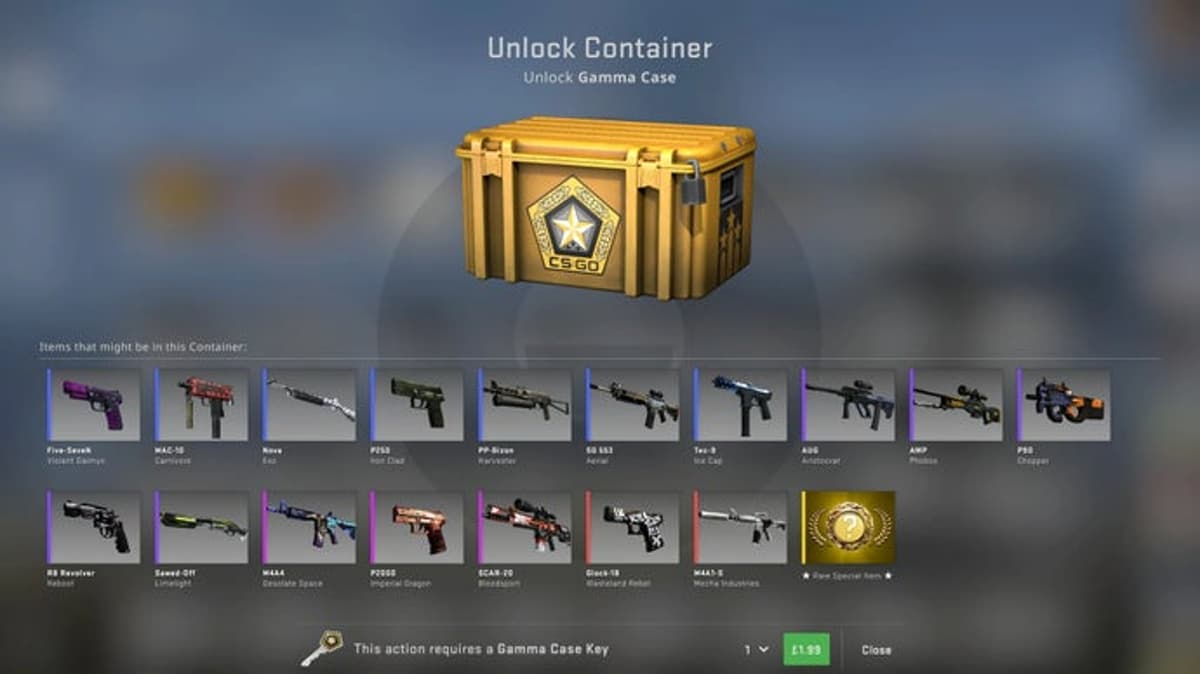
New Lawsuit Wants Valve to Repay "Billions" Earned From "Illegal Gambling" Lootboxes in Counter-Strike, Dota 2 and Team Fortress 2
•March 10, 2026
0
Why It Matters
If successful, the case could force Valve to disgorge billions and reshape monetization models across the gaming industry, setting a precedent for loot‑box regulation worldwide.
Key Takeaways
- •Valve faces class‑action alleging illegal gambling via lootboxes.
- •Billions earned from key sales and marketplace commissions.
- •Lawsuit cites lack of age verification for under‑18 players.
- •Similar regulatory actions underway in New York, UK, EU, Australia.
- •Valve added lootbox scanner in CS2 German version, limited impact.
Pulse Analysis
The newly filed class‑action targets Valve Corp., alleging that its loot‑box systems in flagship titles function as unlicensed gambling operations. Plaintiffs argue that players spend real money on virtual keys for a chance at items that can be sold for cash on the Steam Community Market or third‑party sites, generating billions in revenue. By invoking Washington state gambling statutes, the complaint seeks full disgorgement of those profits and highlights the absence of robust age‑verification mechanisms, especially concerning a youthful player base.
This lawsuit arrives amid a wave of regulatory scrutiny worldwide. New York’s attorney general recently sued Valve for similar reasons, while the UK, EU, and Australian governments have introduced or threatened legislation to curb loot‑box exposure to minors. Industry bodies such as Ukie have issued best‑practice principles, and the UK Advertising Standards Authority has begun enforcing disclosure rules. Valve’s recent rollout of an “X‑ray scanner” in the German version of Counter‑Strike 2, allowing players to preview loot‑box contents, illustrates a tentative response, yet the feature’s limited scope does little to address core gambling concerns.
The potential ramifications for Valve are significant. A ruling that classifies loot boxes as gambling could compel the company to halt a major revenue stream, restructure its monetization strategy, and implement stringent age‑gate controls. Beyond Valve, the case may set a legal benchmark that forces other publishers to reassess loot‑box mechanics, driving the industry toward more transparent, skill‑based monetization models. Stakeholders should monitor the litigation closely, as its outcome could reshape the financial landscape of digital item economies across the gaming sector.
New lawsuit wants Valve to repay "billions" earned from "illegal gambling" lootboxes in Counter-Strike, Dota 2 and Team Fortress 2
0
Comments
Want to join the conversation?
Loading comments...