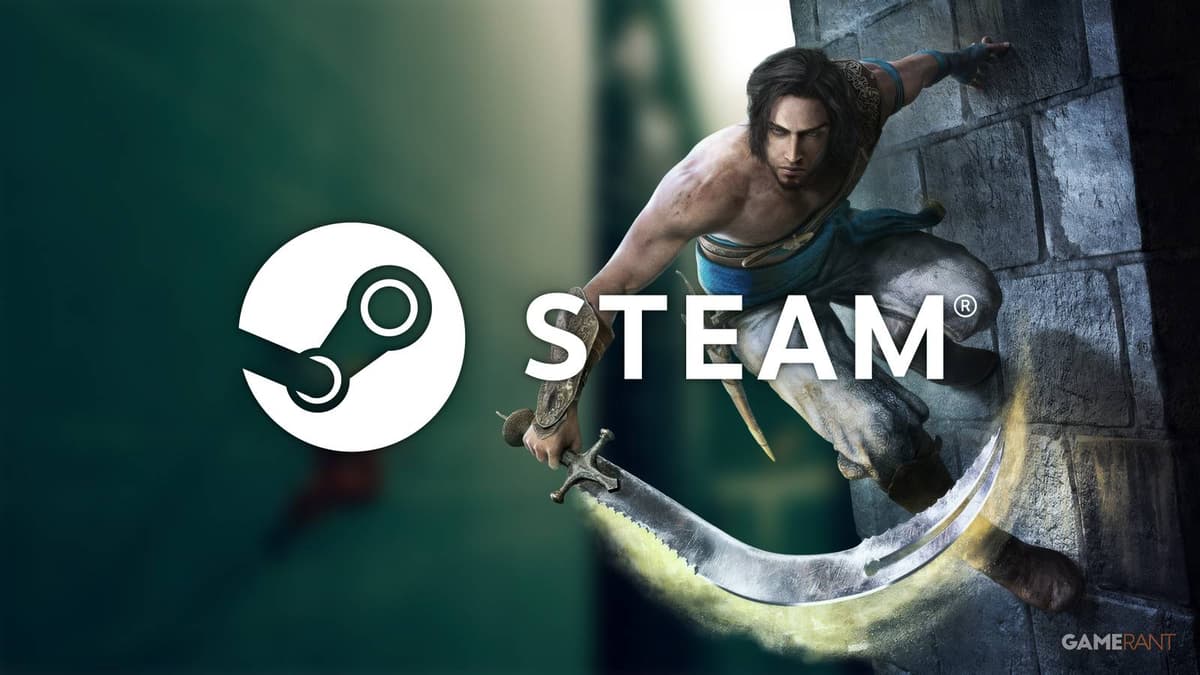
New Parkour Game on Steam Looks Ready to Carry the Torch After Prince of Persia: The Sands of Time Remake Was Canceled
•February 26, 2026
0
Companies Mentioned

Why It Matters
Motorslice could revive demand for core parkour experiences while signaling indie developers can step into gaps left by major franchise setbacks. Its success may influence how publishers approach niche gameplay mechanics.
Key Takeaways
- •Motorslice blends Prince of Persia parkour with sci‑fi setting
- •Indie title offers third‑person parkour on Steam, demo available
- •Launch aimed for 2026, no firm date yet
- •Cancellation leaves Prince franchise uncertain, Ubisoft reassures continuation
- •Few games focus on core parkour mechanics today
Pulse Analysis
The parkour genre has long been anchored by legacy titles such as Prince of Persia and Mirror's Edge, which defined fluid movement as a core gameplay pillar. Ubisoft's abrupt cancellation of the Sands of Time remake not only disappointed a dedicated fanbase but also left a noticeable void in the market for high‑quality, narrative‑driven platformers. This gap has heightened interest in any project that can deliver the same kinetic thrill, especially as players seek fresh experiences that blend storytelling with precise traversal mechanics.
Enter Motorslice, an ambitious indie effort that reimagines Prince of Persia's third‑person parkour within a dystopian, low‑poly sci‑fi setting. The game emphasizes acrobatic navigation, rapid combat, and physics‑based puzzles, all wrapped in a minimalist aesthetic that distinguishes it from more polished AAA titles. A Steam demo already showcases its fluid movement system and towering mechanical foes, hinting at a near‑completion status despite the absence of a fixed launch window. By targeting a 2026 release, Motorslice positions itself to capture the attention of gamers yearning for a parkour‑centric adventure before the next wave of major releases.
From an industry perspective, Motorslice illustrates how indie studios can capitalize on the strategic missteps of larger publishers. Ubisoft’s reassurance that the Prince of Persia universe remains alive, coupled with the franchise's current limbo, creates a fertile environment for smaller developers to experiment with legacy mechanics. Should Motorslice succeed, it could encourage more niche titles to prioritize movement‑focused design, potentially reshaping investment decisions and prompting publishers to revisit dormant IPs with fresh, indie‑driven perspectives. This dynamic underscores the evolving balance between big‑studio brand power and agile indie innovation in the modern gaming ecosystem.
New Parkour Game on Steam Looks Ready to Carry the Torch After Prince of Persia: The Sands of Time Remake Was Canceled
0
Comments
Want to join the conversation?
Loading comments...