Why It Matters
The launch diversifies Tetris’s revenue streams by entering the tabletop and puzzle segments, tapping into nostalgia while reaching casual gamers. It also signals broader trends of digital IPs expanding into physical merchandise to capture new audiences.
Key Takeaways
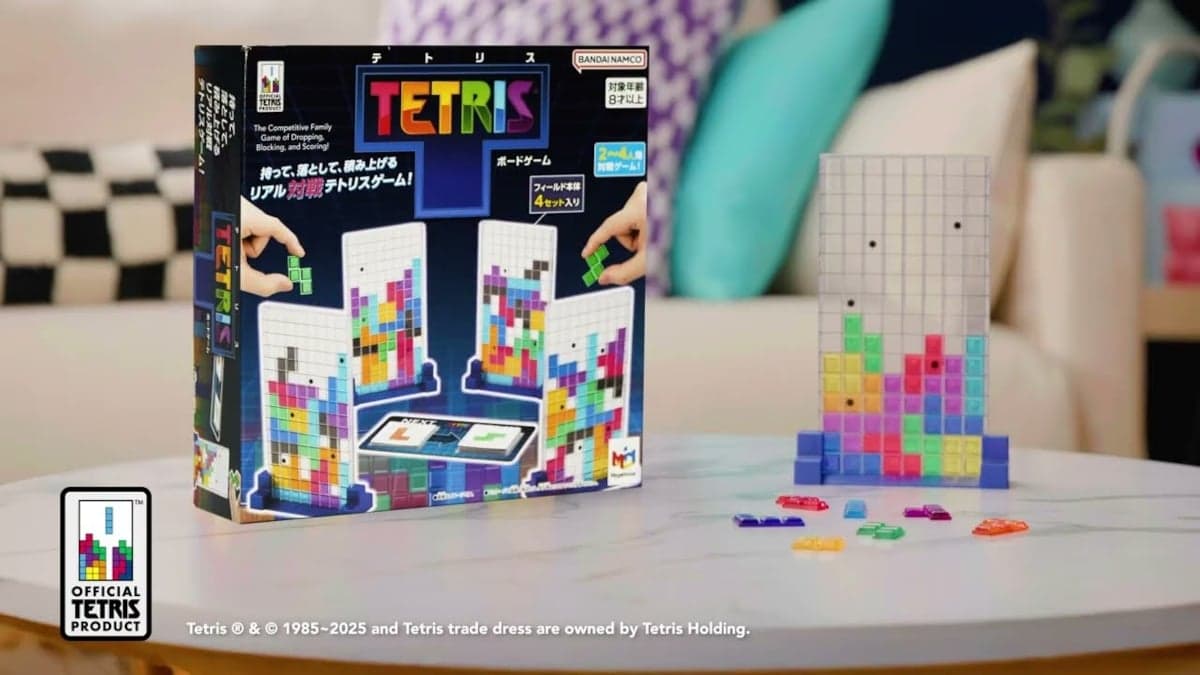
- •Tetris Board Game launches in Japan for ¥4,620 (~$29), four-player support.
- •Rubik's Cube version costs ¥4,950 (~$31) forming Tetriminos on five faces.
- •Hold cards let players store a piece for later strategic placement.
- •Obstructive Tetriminos can be dropped on opponents to disrupt lines.
- •Physical Tetris products broaden the brand beyond digital gaming platforms.
Pulse Analysis
Tetris has long been a digital staple, but MegaHouse’s latest move shows how legacy video‑game IPs are leveraging physical formats to stay relevant. By translating the core line‑clearing mechanic into a tabletop board game, the company taps into the growing market for social, analog gaming experiences that appeal to families and nostalgic adults alike. The timing aligns with a broader industry shift where publishers repurpose successful franchises into board games, puzzles, and collectibles, creating cross‑platform brand ecosystems that deepen consumer engagement.
The Tetris Board Game, priced at roughly $29, supports up to four players and introduces strategic layers such as Hold cards and obstructive Tetriminos. These mechanics mirror the digital game’s “hold” feature and add a competitive twist, encouraging players to block opponents while planning their own line completions. At this price point, the product competes directly with established family board games, offering a familiar brand name and quick‑learn rules that can attract both casual gamers and hardcore fans seeking a new way to experience Tetris.
Meanwhile, the Tetris Rubik’s Cube, retailing at about $31, reimagines the classic 3‑x‑3 puzzle by requiring six Tetriminos to be formed on five faces, with the straight‑four piece serving as the cube’s stand. This hybrid design blends two iconic puzzles, potentially expanding the appeal to both Rubik’s enthusiasts and Tetris devotees. The novelty of a dual‑brand puzzle could drive impulse purchases and collector interest, reinforcing Tetris’s cultural relevance while opening additional merchandising avenues for MegaHouse and its partners.
New Tetris Board Game and Rubik’s Cube Revealed
Comments
Want to join the conversation?
Loading comments...