Why It Matters
Understanding Nidoking’s strengths and move pool helps players optimize team composition and competitive performance, especially in formats where type coverage and flexibility are critical.
Key Takeaways
- •Evolves from Nidorino via Moon Stone.
- •Poison/ground type with notable resistances.
- •Learns diverse moves via leveling, TMs, breeding.
- •Strong against Fairy, Grass, and Fighting types.
- •Immune to Electric attacks.
Pulse Analysis
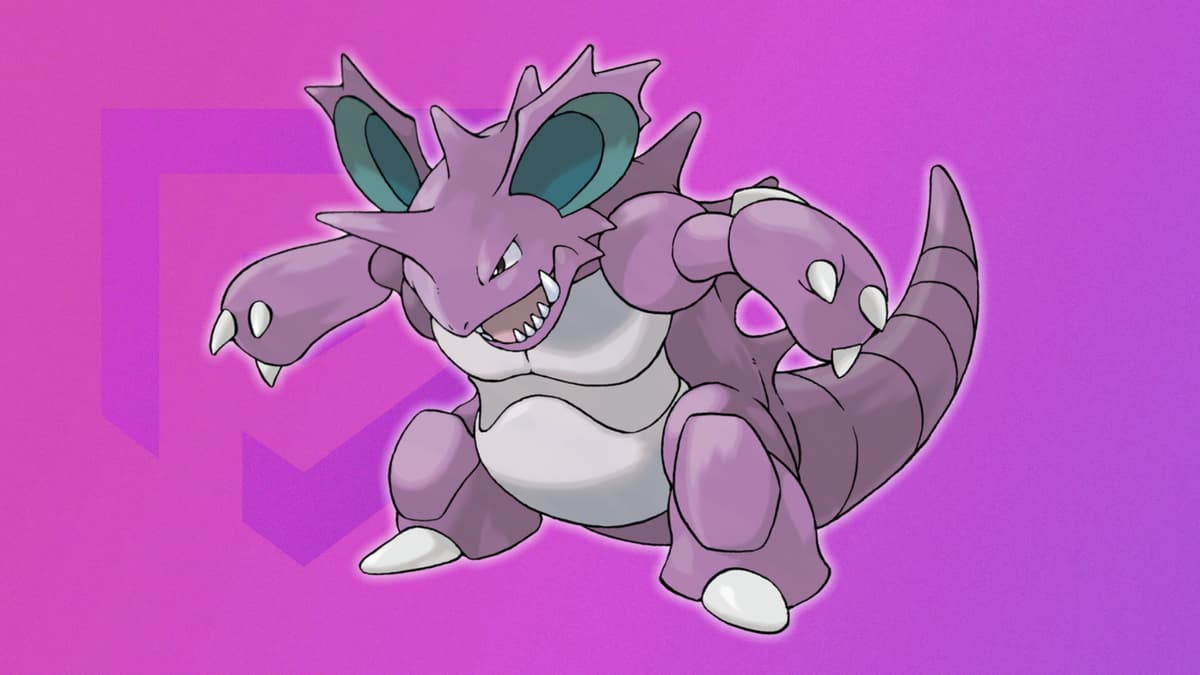
Nidoking remains a staple in Pokémon line‑ups due to its dual Poison/Ground typing and robust evolution path. Originating from the original Red and Blue games, it transforms from Nidorino when a Moon Stone is applied, granting it a solid stat distribution that balances attack power with respectable bulk. Its immunity to Electric attacks and resistance to several common offensive types make it a reliable choice for both casual and competitive play, while its weaknesses to Ground, Water, Psychic and Ice demand careful team synergy.
Strategically, Nidoking’s extensive move pool sets it apart from many first‑generation Pokémon. It can learn powerful physical attacks such as Earthquake and Megahorn, as well as coverage moves like Ice Beam and Thunderbolt via TMs, allowing it to address a wide array of threats. Breeding expands its repertoire further, adding moves like Sucker Punch and Poison Tail that enhance its utility in fast‑paced battles. Players often pair Nidoking with Pokémon that can mitigate its Ground weakness, such as Water‑type allies, creating a balanced offensive core that can pivot between sweeping and supporting roles.
For content creators and guide platforms, detailed entries like this provide essential value to the Pokémon community. By breaking down type effectiveness, evolution requirements, and move acquisition methods, the guide equips readers with actionable insights for team building and meta‑game adaptation. As new titles introduce mechanics like Dynamax and regional forms, understanding classic Pokémon like Nidoking ensures that legacy strategies remain relevant, fostering a bridge between nostalgic players and the evolving competitive scene.
Nidoking | Pokémon guide
0
Comments
Want to join the conversation?
Loading comments...