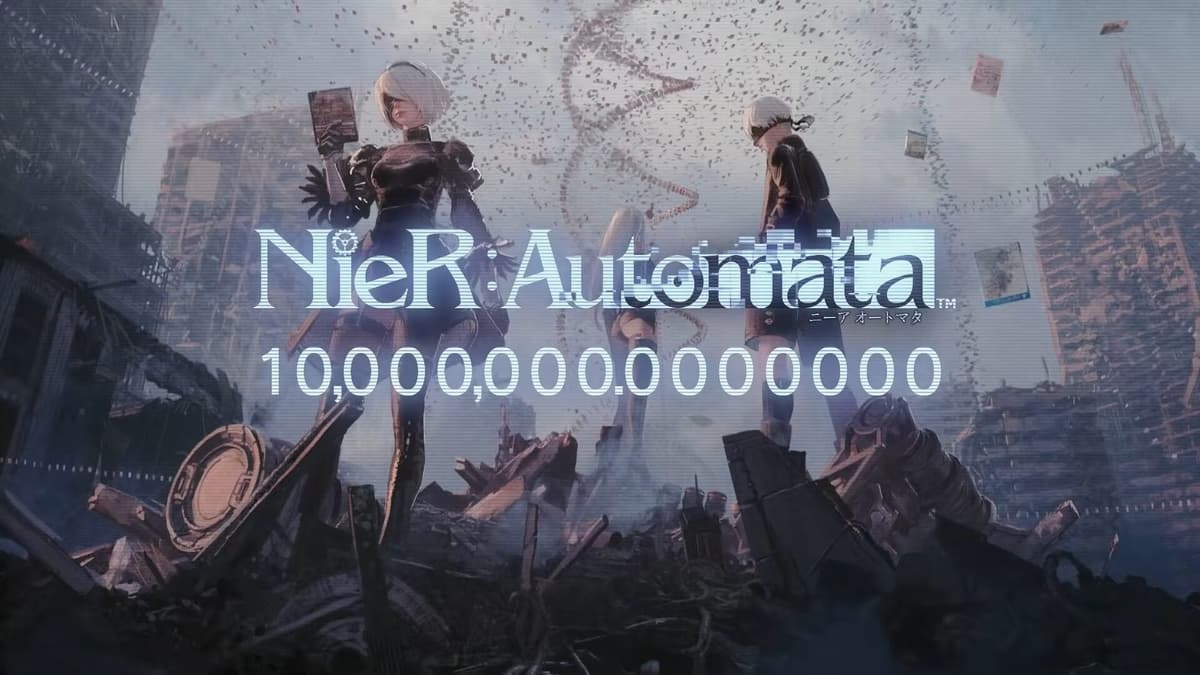
NieR: Automata Shipments and Digital Sales Top 10 Million; “NieR: Automata to Be Continued…”
•February 20, 2026
0
Why It Matters
Cross‑generational sales demonstrate the title’s enduring profitability, encouraging Square Enix to allocate resources toward a sequel or related projects. The milestone also validates long‑tail revenue models for narrative‑driven games.
Key Takeaways
- •Global shipments surpass 10 million units
- •Milestone includes physical and digital sales combined
- •Square Enix hints at future NieR sequel
- •Multiple platform releases contributed to longevity
- •Celebratory trailer reinforces franchise momentum
Pulse Analysis
Reaching 10 million units sold places *NieR: Automata* among a select group of modern titles that have maintained relevance well beyond their initial release window. The game’s blend of action‑RPG mechanics, philosophical storytelling, and multiple re‑releases—such as the Game of the YoRHa and End of YoRHa editions—has kept the player base engaged, driving both physical copies and a steady stream of digital purchases on Steam and console storefronts. This sustained performance underscores how deep narrative experiences can generate long‑term revenue, a valuable insight for publishers navigating post‑launch monetization.
Platform diversification played a crucial role in the title’s sales trajectory. After debuting on PlayStation 4, the game expanded to PC, Xbox One, and eventually the Nintendo Switch, each launch reigniting interest and capturing new audiences. The staggered release strategy, combined with special editions that bundled additional content, illustrates a successful model for extending a game’s lifecycle. In an industry where first‑month sales dominate headlines, *NieR: Automata* showcases the financial upside of strategic multi‑platform rollouts and periodic content refreshes.
The teaser “NieR: Automata to be continued…” signals Square Enix’s intent to capitalize on the franchise’s momentum. By hinting at a sequel or narrative continuation, the publisher can leverage the existing fanbase while attracting newcomers drawn by the milestone’s publicity. This approach aligns with broader trends where studios invest in proven IPs to mitigate development risk. For investors and industry observers, the 10 million benchmark serves as a barometer of the title’s market strength and a predictor of future funding allocations toward sequel development, potential cross‑media expansions, and live‑service support.
NieR: Automata shipments and digital sales top 10 million; “NieR: Automata to be continued…”
0
Comments
Want to join the conversation?
Loading comments...