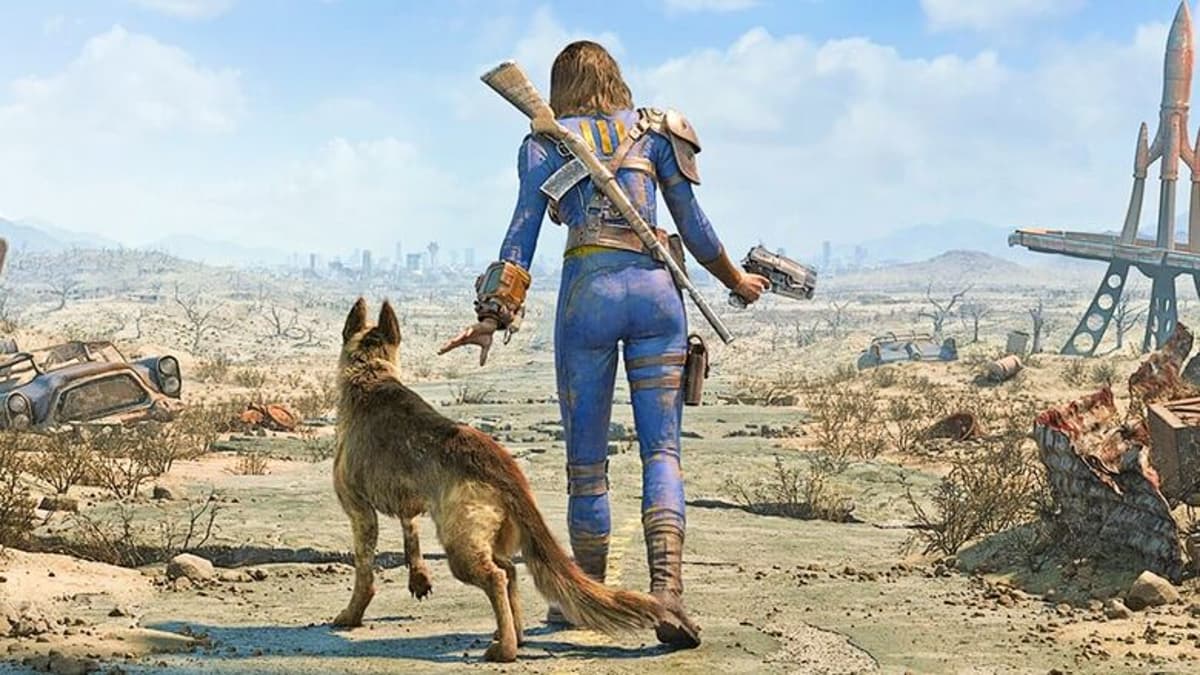
Nintendo eShop File Size Round-Up for Feb. 22nd, 2026 (Fallout 4, Resident Evil Titles, Pokémon FireRed/LeafGreen & More)
•February 22, 2026
0
Why It Matters
Consumers must plan for larger storage needs on Switch 2, while Nintendo leverages its eShop to cater to both high‑end and budget‑conscious gamers, influencing hardware sales and developer priorities.
Key Takeaways
- •Switch 2 AAA ports exceed 20 GB each
- •Indie titles remain under 1 GB, many under 200 MB
- •Large file sizes raise consumer storage concerns
- •eShop offers diverse catalog across hardware generations
- •Developers balance graphics fidelity with download size
Pulse Analysis
The February eShop roundup reveals a clear trajectory toward larger game files on Nintendo’s next‑gen console. With Fallout 4: Anniversary Edition topping 61 GB and Resident Evil titles ranging from 20 GB to nearly 30 GB, developers are exploiting the Switch 2’s upgraded SSD and GPU to deliver near‑console‑parity experiences. These sizes rival those on PlayStation 5 and Xbox Series X, signaling Nintendo’s intent to attract core gamers who expect high‑resolution textures, expansive worlds, and robust audio pipelines.
This shift carries significant market implications. Consumers face higher upfront costs for larger microSD cards, prompting a surge in accessory sales and influencing purchasing decisions. Nintendo’s eShop must balance bandwidth considerations with frequent updates, potentially prompting more aggressive compression or modular download strategies. Meanwhile, the enduring presence of sub‑gigabyte indie titles preserves the platform’s reputation for accessibility, ensuring that budget‑conscious players and casual audiences remain engaged without overwhelming storage constraints.
For gamers, the practical takeaway is proactive storage management. Investing in high‑capacity, high‑speed microSD cards now safeguards against future download bloat, while regular library curation can free space for new releases. Developers may continue to optimize assets, offering optional high‑resolution packs to accommodate varied hardware. As Nintendo refines its dual‑hardware ecosystem, the eShop’s diverse size spectrum will likely persist, delivering both blockbuster experiences and bite‑sized indie gems.
Nintendo eShop file size round-up for Feb. 22nd, 2026 (Fallout 4, Resident Evil titles, Pokémon FireRed/LeafGreen & more)
0
Comments
Want to join the conversation?
Loading comments...