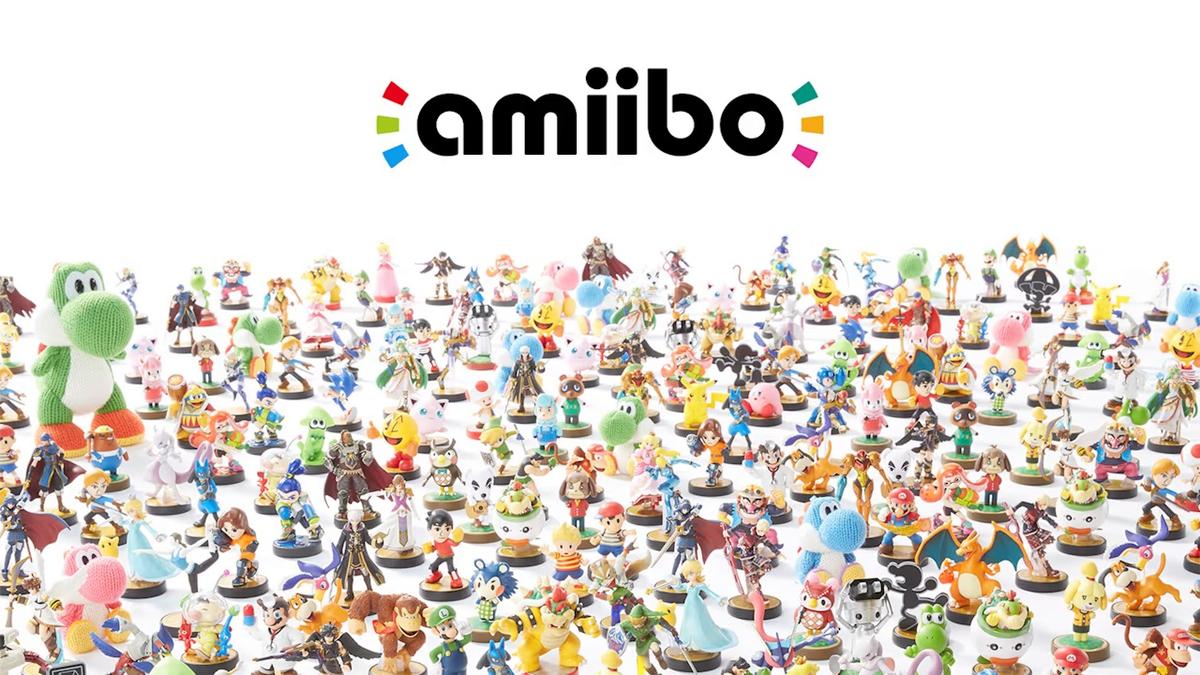
Nintendo’s New Approach to Amiibo: Expensive Premium Figurines
•March 1, 2026
0
Why It Matters
Higher price points threaten amiibo’s accessibility, potentially shrinking the active collector community and impacting Nintendo’s ancillary revenue streams. The shift also tests whether premium‑only offerings can sustain long‑term engagement across Nintendo’s franchise ecosystem.
Key Takeaways
- •New amiibo priced $24.99‑$34.99 each.
- •Older amiibo now $19.99 each.
- •Kirby Air Riders set reaches $50 price.
- •High‑price releases sit unsold on shelves.
- •Sales succeed when iconic characters launch.
Pulse Analysis
Nintendo’s recent amiibo overhaul underscores a strategic pivot toward premiumization. By doubling the size and detail of figures and bundling them with specialized accessories, the company aims to position amiibo as high‑end collectibles rather than budget add‑ons. This aligns with broader industry trends where legacy IPs are leveraged for upscale merchandise, but it also raises the entry barrier for casual fans who previously could afford a single $12.99 figure. The price escalation to $24.99‑$34.99 for new releases and $19.99 for legacy items signals Nintendo’s confidence in brand loyalty to offset potential volume loss.
Consumer response has been mixed. Data from June 2025 shows that premium amiibo such as the $30‑$40 Tears of the Kingdom and Street Fighter editions struggled to move, prompting retailers like GameStop and Amazon to discount them to $20. Conversely, high‑visibility launches tied to flagship games—e.g., Super Mario Galaxy figurines—have sold out quickly, suggesting that demand remains strong when the character’s cultural cachet justifies the cost. This dichotomy highlights a segmentation risk: collectors may gravitate toward beloved icons while abandoning less iconic or overly expensive sets, potentially narrowing the amiibo ecosystem.
The broader market implication hinges on whether Nintendo can sustain this premium model without alienating its core audience. If high‑price amiibo continue to underperform, the company may need to reintroduce lower‑cost alternatives, such as the previously discussed amiibo cards, to retain mass‑market appeal. However, a successful premium line could open new revenue streams through limited‑edition drops and collaborations, reinforcing Nintendo’s position as a purveyor of both gaming experiences and collectible culture. Monitoring sales trends and community sentiment will be crucial as Nintendo balances quality, price, and accessibility in the evolving toys‑to‑life landscape.
Nintendo’s new approach to amiibo: expensive premium figurines
0
Comments
Want to join the conversation?
Loading comments...