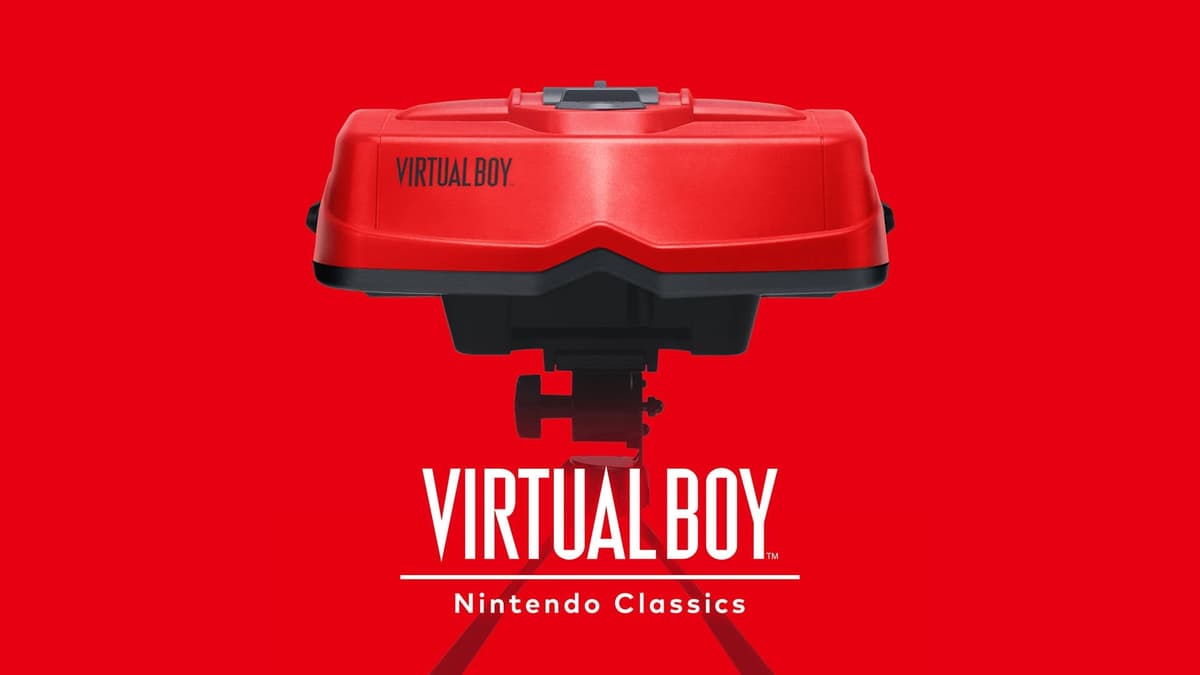
Nintendo’s Virtual Boy App Is Now Available on Switch Online, with Seven Games at Launch
•February 17, 2026
0
Why It Matters
The launch monetizes Nintendo's dormant catalog while testing demand for niche retro hardware, potentially boosting Expansion Pack subscriptions. It also signals Nintendo’s strategy to leverage legacy IPs despite past commercial failures.
Key Takeaways
- •Virtual Boy Classics app launches on Switch with seven games.
- •Requires Switch Online + Expansion Pack and physical accessory.
- •Additional nine games slated, covering most of library.
- •Accessory prices: $100 replica, $25 cardboard viewer.
- •Unlicensed titles unlikely to appear due to IP issues.
Pulse Analysis
Nintendo’s decision to resurrect its Virtual Boy—a commercial flop that sold fewer than 800,000 units—highlights a broader industry trend of mining legacy hardware for new revenue streams. By bundling the games with a paid accessory, Nintendo creates a tangible collector’s experience that differentiates the offering from pure software emulation. This approach taps into nostalgia while justifying a premium price point, echoing similar moves by Sony and Microsoft with limited‑edition retro controllers.
The Virtual Boy Classics app arrives as part of the Switch Online + Expansion Pack, a tier that already grants access to Nintendo 64, Game Boy Advance and Sega Genesis titles. The initial seven games—ranging from 3D Tetris to Virtual Boy Wario Land—represent a curated slice of the platform’s catalog, and Nintendo has pledged nine additional releases, effectively covering most of the original 22‑title library. Consumers must purchase either a faithful replica accessory for $100 or a budget cardboard viewer for $25, a requirement that mirrors the original hardware’s stereoscopic 3D experience and adds a physical dimension to the digital service.
Strategically, the move strengthens Nintendo’s subscription ecosystem by offering exclusive content that cannot be accessed through the standard Switch Online plan. It also provides a testing ground for future retro revivals, as the company gauges player willingness to pay for niche accessories and obscure titles. While licensing constraints may keep some games out of the lineup, the majority of the Virtual Boy’s library will soon be available, reinforcing Nintendo’s reputation for preserving its gaming heritage while extracting incremental revenue from its extensive back catalog.
Nintendo’s Virtual Boy app is now available on Switch Online, with seven games at launch
0
Comments
Want to join the conversation?
Loading comments...