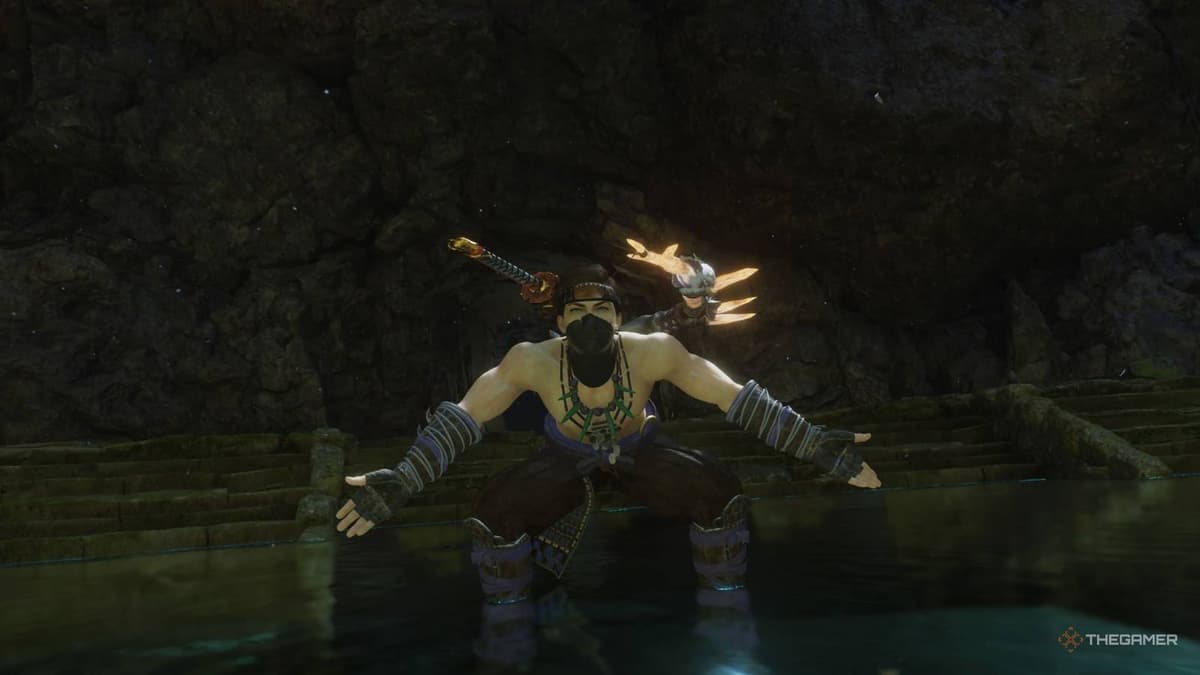
Nioh 3 Player Beats The Final Boss In One Hit On New Game Plus
•February 22, 2026
0
Why It Matters
The exploit undermines Nioh 3’s intended difficulty curve, risking player dissatisfaction and harming the franchise’s reputation for fair, skill‑based challenges.
Key Takeaways
- •Player Vikaluka killed Hiruko with one hit
- •Exploit uses maxed talismans and empty gear slots
- •Occurred on New Game Plus after two weeks release
- •Highlights potential balance flaw in Nioh 3 combat
- •Could prompt patch or community backlash
Pulse Analysis
Nioh 3 entered the market with a promise of rigorous, skill‑driven combat that builds on its predecessor’s reputation. The title’s intricate damage system, layered with talismans, weapon upgrades, and a New Game Plus mode, is designed to reward meticulous character building while preserving a steep difficulty curve. Early adopters have already pushed the limits, but the recent one‑hit defeat of the final boss Hiruko signals a deeper interaction between the game’s mechanics and player ingenuity that goes beyond typical high‑skill play.
The exploit hinges on two core mechanics: the stacking of high‑value talismans that amplify strength and the intentional omission of equipment in certain slots, which the game interprets as a damage multiplier. By calibrating these variables, Vikaluka generated a damage output that eclipsed Hiruko’s defensive thresholds, effectively nullifying the boss’s intended challenge. Community forums, especially Reddit, have buzzed with mixed reactions—some celebrate the discovery as a clever meta‑play, while others argue it betrays the spirit of the game. This split underscores how modern action RPGs must anticipate emergent strategies that can bypass designed difficulty.
For developers, the incident serves as a cautionary tale about the balance between depth and exploitable complexity. A timely patch that adjusts talisman scaling or gear‑slot bonuses could restore equilibrium without stripping away legitimate customization. Moreover, the episode highlights the importance of post‑launch monitoring and community engagement to quickly identify and address balance issues. As the action‑RPG genre continues to evolve, maintaining a fair yet demanding experience will be crucial for retaining hardcore audiences and sustaining long‑term franchise health.
Nioh 3 Player Beats The Final Boss In One Hit On New Game Plus
0
Comments
Want to join the conversation?
Loading comments...