The title demonstrates how legacy action‑RPG franchises can stay fresh by layering new combat systems and rewarding exploration, influencing player expectations and future design trends in the genre.
Nioh 3’s introduction of the Ninja Style Shift marks a notable evolution in action‑RPG design. By giving players a completely distinct combat toolbox—dual swords, splitstaves, tonfa, and enhanced back‑stab damage—the game encourages rapid style swaps that keep encounters dynamic. This dual‑class approach not only broadens tactical options but also sets a benchmark for future titles seeking to balance depth with accessibility, as developers watch how players respond to the added layer of agency.
Beyond combat, the game’s semi‑open world redefines exploration incentives. Rather than relying on static waypoints, Nioh 3 reveals map icons only after players uncover areas, gradually unlocking stat upgrades, hidden Kodama spirits, and unique loot. This tiered reward system mirrors successful mechanics in titles like Elden Ring while avoiding overwhelming map clutter. The result is a loop that drives players to revisit zones, extending playtime and fostering a sense of progression that can boost long‑term engagement metrics.
From a business perspective, Nioh 3’s blend of challenging gameplay, deep customization, and exploration rewards positions it to capture both hardcore fans and newcomers. The franchise’s proven track record, combined with fresh mechanics, can translate into strong launch sales and sustained post‑launch revenue through DLC and community‑driven content. Competitors may adopt similar dual‑style systems, making Nioh 3 a reference point for the next wave of action‑RPGs, while its menu complexity highlights the importance of streamlined UI in retaining player satisfaction.

I’m knee-deep into playing Nioh 3, and though the review embargo has lifted, I still need more time to complete this densely packed threequel. But after playing for a couple of dozen hours, I can confidently say I’m having a fun time slicing apart yokai in this time-hopping adventure. While the game remains a deliciously difficult action game, especially thanks to its new Ninja style, I’m arguably most impressed with its rewarding approach to exploration.
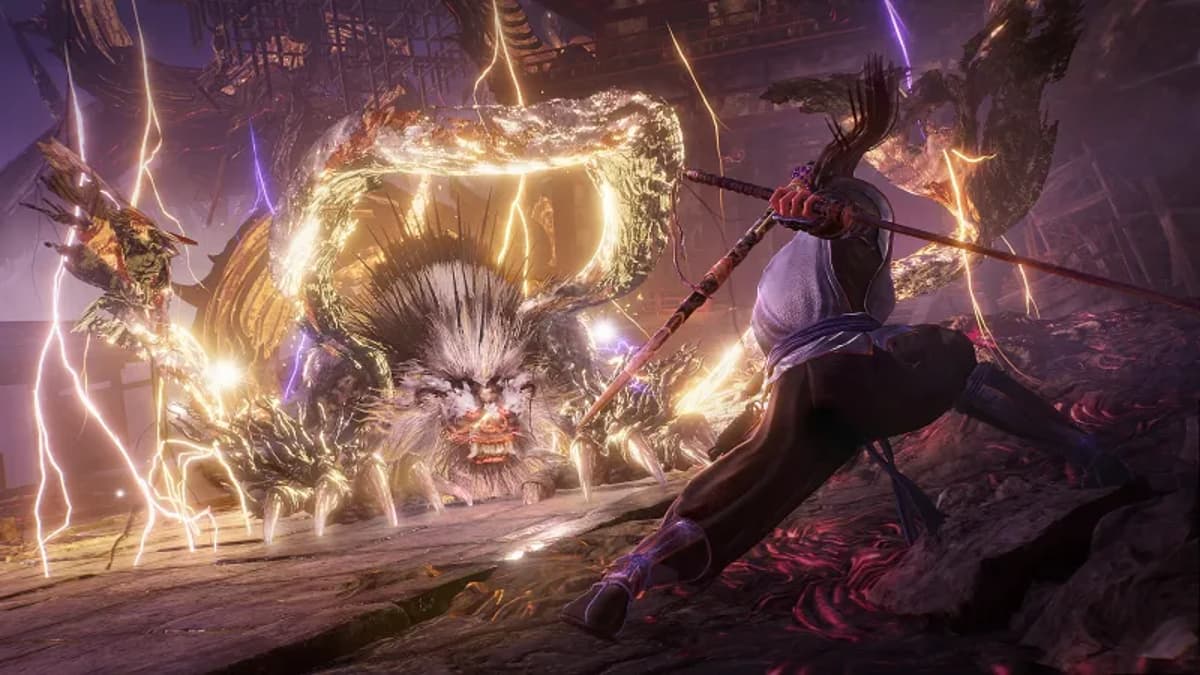
One of Nioh 3’s big additions is the Ninja Style Shift, which effectively gives you a shinobi-flavored class that feels like controlling a wholly different character. While its opposite Style, Samurai, offers the more traditional Nioh combat experience (complete with the four weapon stances), I much prefer the speed and agility of the Ninja Style. Slashing apart foes using the Ninja’s bespoke weaponry like dual swords, splitstaves, or tonfa, while swiftly dodging around and behind them to take advantage of the Ninja’s stronger backstab damage, is thrilling. I also enjoy experimenting with the Ninja’s impressively deep suite of unlockable tools and magic.
Regardless of whether you favor Samurai or Ninja, swapping between them with a button press allows for a dynamic shift in gameplay styles that keeps combat fresh and strategically engaging for hours. I’m enjoying mastering each style’s inherent traits and the many weapons they offer.

I’m also enjoying Nioh 3’s approach to open-world exploration. While not a true open-world game, players visit different expansive hubs, and a single landmass can take 15-20 hours to fully explore. Nioh 3’s approach to exploration smartly threads the needle between the overly guided icon-littered maps of most open-world games and the more cryptic "pick a direction and see what you find" design ethos of Elden Ring or the recent Zelda games. Upon entering a region, the map is a blank slate. But the more you uncover, the more you unlock tiers of exploration rewards, such as stat bumps to attack/defense; more importantly, however, the map begins displaying icons of the goodies you were in the vicinity of but missed the first time around.
These include side quests, loot chests, hidden Kodama spirits, Jizo statues, Guardian Spirit traversal sections, and much more. Nioh 3’s world may not boast jaw-dropping emergent moments, but it constantly incentivizes exploration because everything you find improves your character in some way. You’ll gain new weapons, gear, skill points, passive upgrades, and more simply by wandering, and it’s an effective hook when the game still pummels players with its high difficulty curve.
Another of Nioh 3’s big destinations is Crucibles, demonic realms that present a higher overall challenge befitting their hellish landscape. Usually presented as a climax to a plot milestone, I like Crucibles as self-contained challenges and breaks from the overworld. I also like the unique Crucible weapons they reward, which bear special, unlockable skills and inflict more damage, but cause the player to take increased damage.

Nioh 3’s encounters, especially its boss fights, remain challenging affairs. However, overcoming a seemingly insurmountable foe has never felt more feasible thanks to the more freeform exploration. Nioh 3 allows players to explore and get stronger should they hit a wall, and as I previously established, there’s no shortage of things to do or find. This is much more enjoyable than grinding the same corridor-like route ad nauseam. But even if you technically surpass a region’s recommended character level, boss battles demand a high degree of reflex and pattern recognition – plus the savvy to know when to switch combat styles – that sheer number grinding can’t solve; and that’s where success tastes the sweetest.
Still, when your dexterity isn’t up to snuff, Nioh 3 offers plenty of ways to help pick up the slack. From having two completely different loadouts between the Samurai and Ninja styles, multiple systems for recycling unwanted loot and strengthening preferred equipment, expansive skill trees for each weapon (with free respec), and other features still revealing themselves, it’s impressive how much you can customize your character to prepare for any given fight, even by this series’ standards.
Naturally, you’re going to be overwhelmed by the sheer number of options at your fingertips – I certainly am – but the game does a solid job of easing players into these systems between playable tutorials and a glossary succinctly explaining each feature. Nioh 3 also allows you to get accustomed to an initial batch of features for a good dozen or more hours before unlocking new options and expanding existing ones, and I’m grateful for that. Unfortunately, it means a lot of downtime is spent in menus inspecting/recycling dozens of pieces of loot, as well as checking the boxes for numerous rewards across multiple menus. While it feels good to continually grow, pausing to do so does feel like having to shove a mouthful of veggies when I just want to get back to devouring my juicy steak.
I have a good way to go before rolling credits in Nioh 3, but I’m having a blast so far. The action remains slick and satisfying, the game’s customization allows overwhelming agency in how you build your hero, and the open world offers compelling reasons to explore every nook and cranny. I hope the world’s offerings continue to compel me to explore, and much of that will depend on how much tougher the bosses become going forward. As of now, I’m eager and willing to tackle whatever remaining challenges lie ahead.
Comments
Want to join the conversation?
Loading comments...