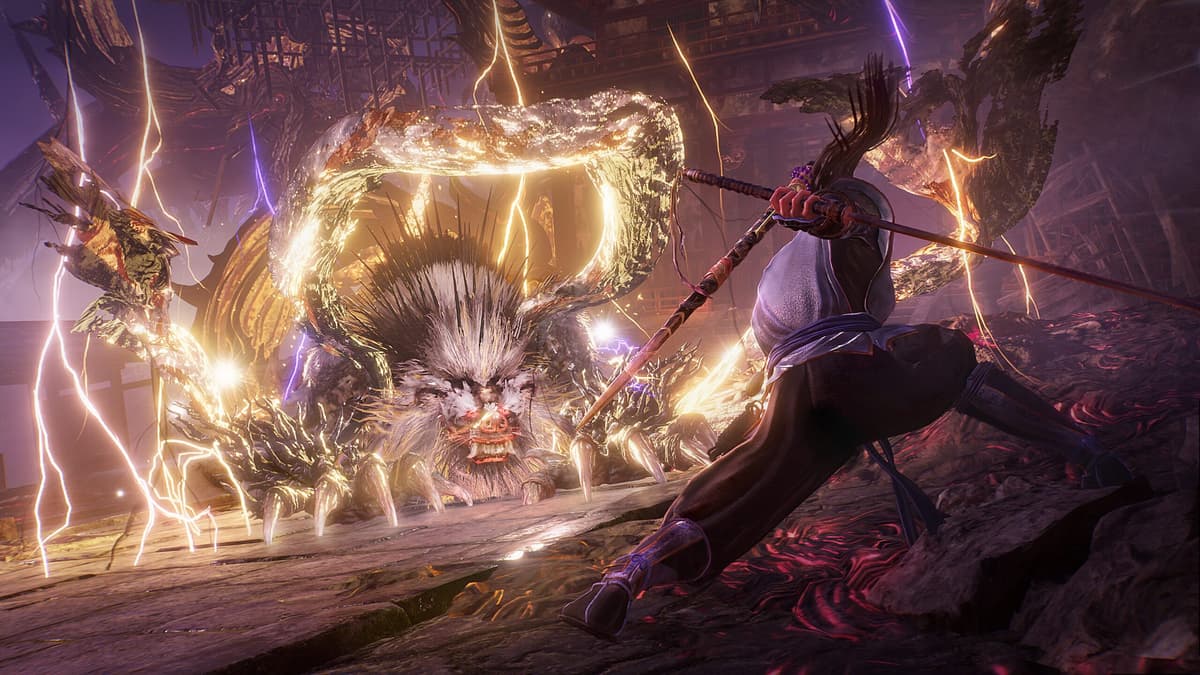
Nioh 3 Studio Head Acknowledges It Is a “Great Game, But It’s Not Perfect”
•March 6, 2026
0
Companies Mentioned

FromSoftware
Why It Matters
The candid admission highlights how even top‑selling Soulslike franchises must evolve to meet player expectations, influencing future development roadmaps and competitive positioning within the action‑RPG market.
Key Takeaways
- •Nioh 3 sold over 1 million copies quickly.
- •Studio aims to deepen narrative and yokai lore.
- •Artistic style will be made more distinctive.
- •Enemy variety criticized; future titles to expand roster.
- •Feedback loop shows commitment to iterative improvement.
Pulse Analysis
Nioh 3’s commercial breakout underscores the growing appetite for high‑skill, lore‑rich action RPGs, yet the developers’ own critique reveals a strategic pivot. By openly acknowledging gaps in narrative cohesion and visual identity, Team Ninja signals a shift toward more story‑driven design, aligning with trends where players demand context for each encounter. This approach could differentiate the franchise from peers like FromSoftware, whose titles blend world‑building with combat, and may attract a broader audience seeking deeper immersion beyond loot hunting.
The studio’s focus on expanding yokai lore and environmental storytelling reflects a broader industry movement toward culturally resonant content. By fleshing out the mythic origins of each creature and tying them to distinct locales, Nioh can offer players a richer, more educational experience that leverages Japan’s folklore. Such depth not only enhances replay value but also opens licensing opportunities for cross‑media adaptations, from anime to graphic novels, further monetizing the IP.
Addressing enemy variety is another critical lever for sustaining long‑term engagement. Critics noted repetitive battle patterns, prompting the team to promise a more diverse roster in future releases. Introducing novel combat mechanics and hybrid enemy designs can reinvigorate the core loop, reducing churn and extending the game’s lifecycle. As the Soulslike genre matures, studios that iterate based on community feedback while preserving core difficulty are likely to retain their competitive edge and drive sustained revenue growth.
Nioh 3 Studio Head Acknowledges it is a “Great Game, But it’s Not Perfect”
0
Comments
Want to join the conversation?
Loading comments...