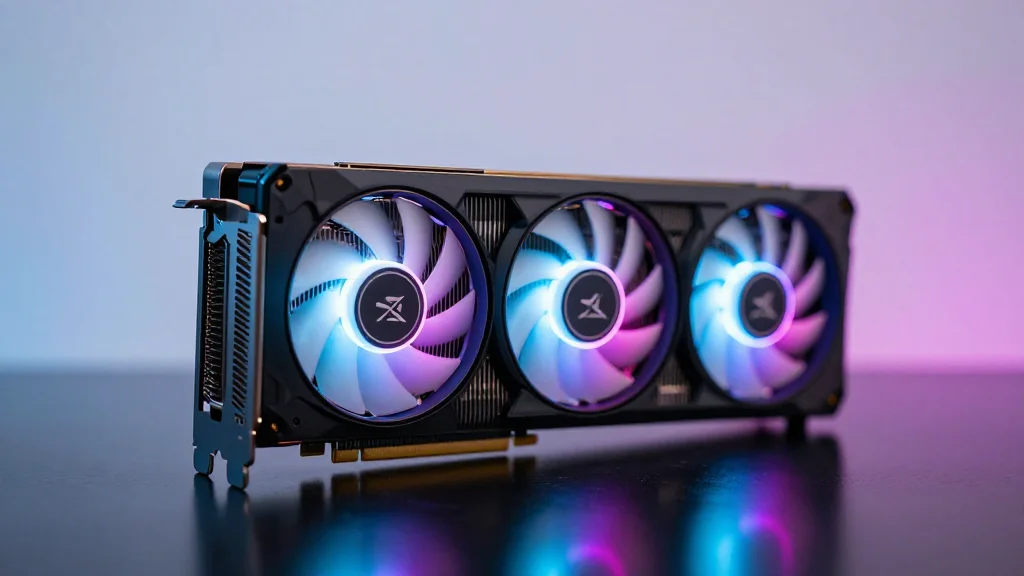
Nvidia DLSS 5 Delivers 200+ Fps at 4K, Outpacing DLSS 4.5 in Early Tests

Companies Mentioned
Why It Matters
DLSS 5’s ability to deliver ultra‑high frame rates at 4K reshapes the performance ceiling for PC gaming, making premium visual experiences accessible without the need for flagship GPUs. This could accelerate the adoption of AI‑driven upscaling across the industry, pressuring console makers to either integrate similar technology or risk falling behind in graphical fidelity. The controversy highlighted by Xbox veterans signals a deeper cultural clash: investors pushing AI integration versus a gamer base that values handcrafted visual fidelity. How companies navigate this tension will influence hardware roadmaps, game development pipelines, and ultimately, the future of immersive gaming experiences.
Key Takeaways
- •DLSS 5 enables over 200 fps at 4K in Cyberpunk 2077 on RTX 5090, surpassing DLSS 4.5 performance.
- •Multi‑Frame Generation now supports up to six AI‑generated frames per rendered frame.
- •Xbox co‑creator Seamus Blackley warns of shareholder pressure to embed AI in consoles.
- •Mid‑range laptops with RTX 5070 Ti still rely on DLSS 4.5, highlighting a hardware upgrade incentive.
- •73 % of AI experts view AI as beneficial for jobs, contrasting with gamer skepticism.
Pulse Analysis
Nvidia’s DLSS 5 represents more than an incremental tweak; it is a strategic lever that could redefine the performance‑price curve for high‑end gaming. By extracting additional frames through refined MFG, Nvidia effectively multiplies the perceived horsepower of existing GPUs, allowing gamers to experience 4K ray‑tracing without the prohibitive cost of next‑gen silicon. This shift may compress the market’s upgrade cycle, as consumers opt for AI‑enhanced GPUs rather than waiting for a new hardware generation.
However, the technology’s reception is uneven. While PC enthusiasts celebrate the raw numbers, console stakeholders grapple with a cultural and financial dilemma. Microsoft’s AI‑heavy shareholder base is pushing for AI integration across the Xbox ecosystem, yet internal resistance—described as a “games division allergic to AI”—suggests a potential stalemate. If Nvidia’s DLSS 5 continues to deliver tangible gains without compromising artistic intent, console makers may be forced to adopt similar pipelines, possibly through licensing deals or in‑house development. Failure to do so could widen the gap between PC and console visual fidelity, reshaping consumer expectations and market share.
Looking ahead, the real test will be broader game support and consumer perception. If developers can harness DLSS 5 without introducing noticeable artifacts, the technology could become a de‑facto standard, driving a new era where AI upscaling is as ubiquitous as traditional anti‑aliasing. Conversely, if the “AI slop” narrative gains traction, manufacturers may double down on native rendering solutions, preserving a niche for hardware‑centric performance. The coming months will reveal whether DLSS 5 is a fleeting performance boost or a foundational shift in how games are rendered.
Nvidia DLSS 5 delivers 200+ fps at 4K, outpacing DLSS 4.5 in early tests
Comments
Want to join the conversation?
Loading comments...