Opinion: I Can’t Wait for Gaming Consoles to Die (but Not How You Think)
•February 17, 2026
0
Why It Matters
A unified Windows console would slash development overhead, accelerate game launches, and give consumers more hardware choices, reshaping the console ecosystem.
Key Takeaways
- •Current consoles force separate build pipelines.
- •Future Xbox may run native Windows OS.
- •Single build enables day‑one releases across platforms.
- •Hardware partners could offer varied Xbox configurations.
- •Unified platform cuts bugs and patch times.
Pulse Analysis
The console‑PC divide has become a hidden cost center for the industry. Studios build, test, and optimize games on Windows workstations, then must re‑engineer the same product for proprietary console environments. Certification quirks, platform‑specific bugs, and divergent performance profiles turn what should be a single launch into a staggered rollout, penalizing indie developers who lack deep resources. This fragmentation not only frustrates gamers with delayed ports but also inflates budgets for even the largest publishers.
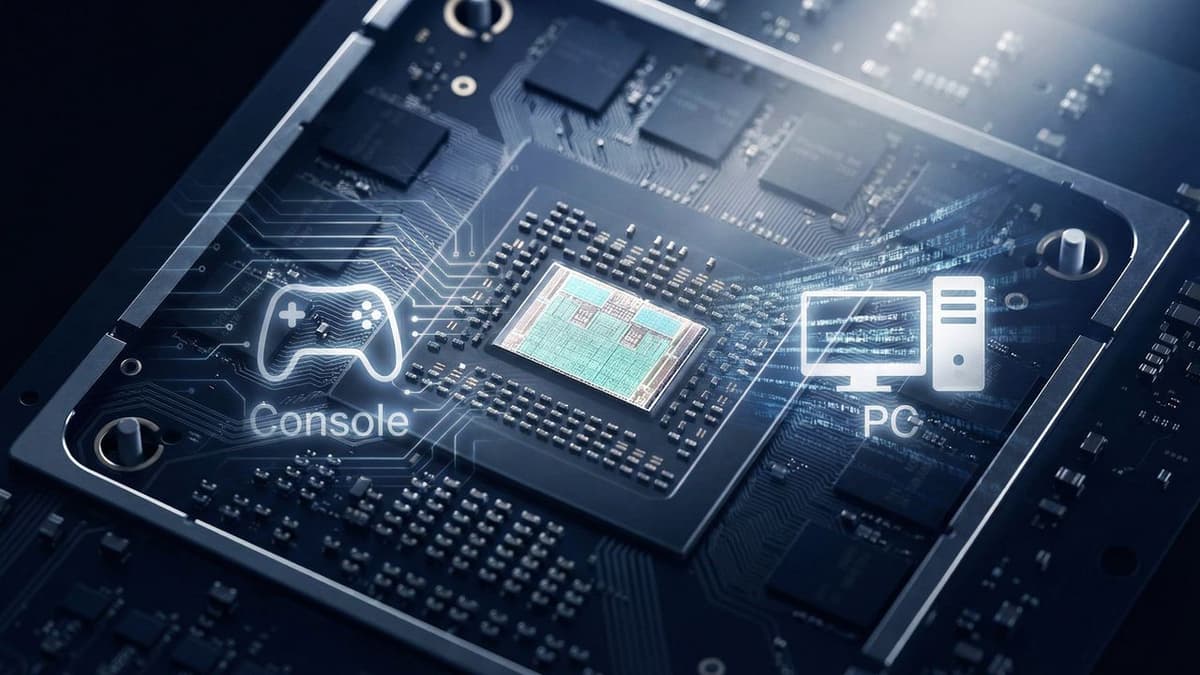
Microsoft’s roadmap hints at a paradigm shift: a 2027 Xbox that runs a full Windows OS beneath an Xbox‑centric shell. By aligning the console’s operating system with the PC ecosystem, developers could ship a single binary to both markets, leveraging existing toolchains and store infrastructure. Features like Xbox Play Anywhere would become truly seamless, allowing a purchase to unlock gameplay on any Windows device or Xbox hardware. Moreover, a Windows‑based console invites third‑party OEMs—HP, Lenovo, Dell, Razer—to craft differentiated Xbox models, ranging from budget units to high‑end, RGB‑laden rigs, fostering competition that has long been absent in the console space.
Admittedly, Windows brings its own reliability challenges, from errant updates to driver inconsistencies. However, a locked‑down, console‑grade Windows image—similar to the Xbox Ally’s current experience—could mitigate these issues while preserving the flexibility developers cherish. If Microsoft perfects this hybrid approach, the industry could see faster patch cycles, fewer platform‑specific bugs, and a more vibrant hardware market, ultimately delivering a smoother, more inclusive gaming experience for both creators and players.
Opinion: I can’t wait for gaming consoles to die (but not how you think)
0
Comments
Want to join the conversation?
Loading comments...