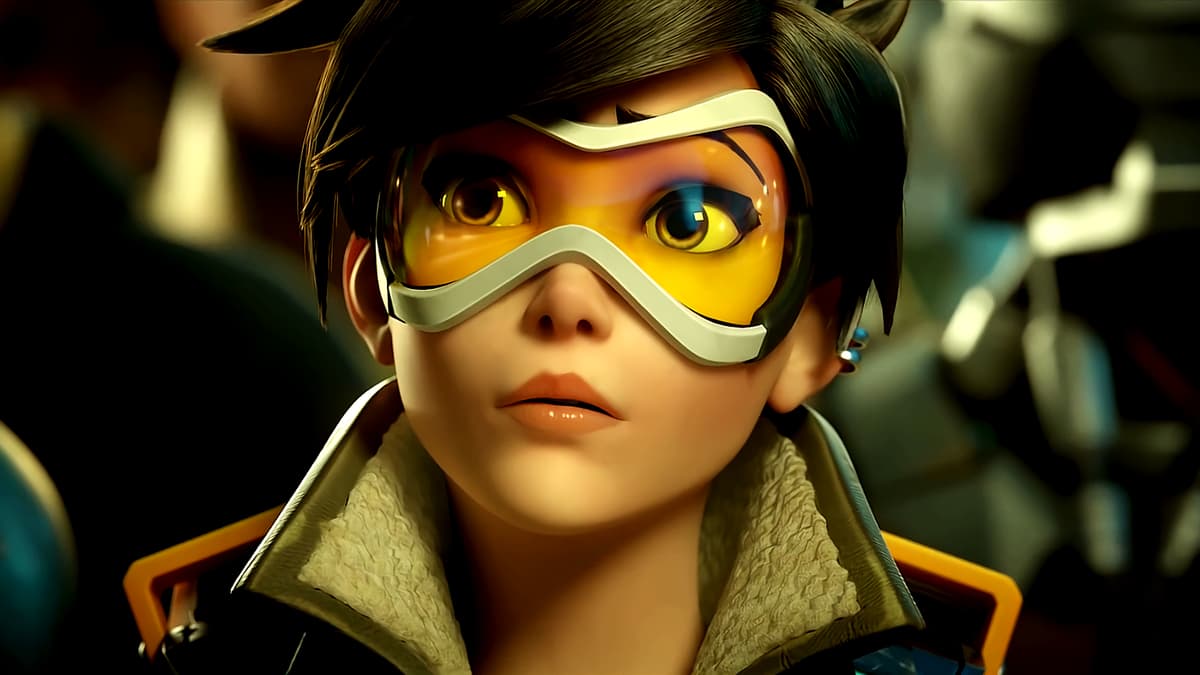
Overwatch Director Kills a Tracer Butt Conspiracy 10 Years Later
Why It Matters
The incident shows how design minutiae can amplify brand perception risks, highlighting the need for clear, proactive communication from game studios to manage community sentiment.
Key Takeaways
- •Jeff Kaplan confirms Tracer’s pose unchanged since 2016 patch.
- •Fan backlash stemmed from perceived sexualization reduction.
- •Controversy illustrates sensitivity to female character design in games.
- •Blizzard’s silence fueled speculation, harming brand trust.
- •Modern titles like Marvel Rivals push boundaries beyond past debates.
Pulse Analysis
When Blizzard adjusted Tracer’s post‑match animation in 2016, the subtle shift—balancing on one foot—was interpreted by a vocal segment of the community as a deliberate down‑play of sexualized imagery. The reaction was disproportionate to the visual change, yet it quickly morphed into a meme‑driven narrative that questioned the studio’s commitment to artistic freedom. In the broader context of gaming culture, such design debates often serve as proxies for deeper conversations about gender representation, player agency, and the commercial calculus of appealing to diverse audiences.
Jeff Kaplan’s recent livestream offered a rare moment of transparency: he unequivocally stated that Tracer’s butt was never nerfed, and the pose remained identical to the 2016 version. By addressing the myth directly, Kaplan not only cleared up misinformation but also demonstrated a strategic use of personal branding to shift focus toward his upcoming project, *The Legend of California*. The swift circulation of his comments illustrates how a single, authentic statement can mitigate lingering reputational damage and re‑engage a skeptical fan base, reinforcing the value of timely, direct communication in crisis management.
The episode reflects an evolving industry landscape where character design scrutiny is heightened by the success of titles like *Marvel Rivals*, which embrace overt sexualization as a selling point. Modern developers must balance creative expression with cultural sensitivity, recognizing that even minor aesthetic tweaks can trigger amplified backlash in an era of instant social media amplification. As studios navigate this terrain, proactive dialogue and clear design rationales will become essential tools for preserving brand equity and fostering inclusive player communities.
Overwatch director kills a Tracer butt conspiracy 10 years later
Comments
Want to join the conversation?
Loading comments...