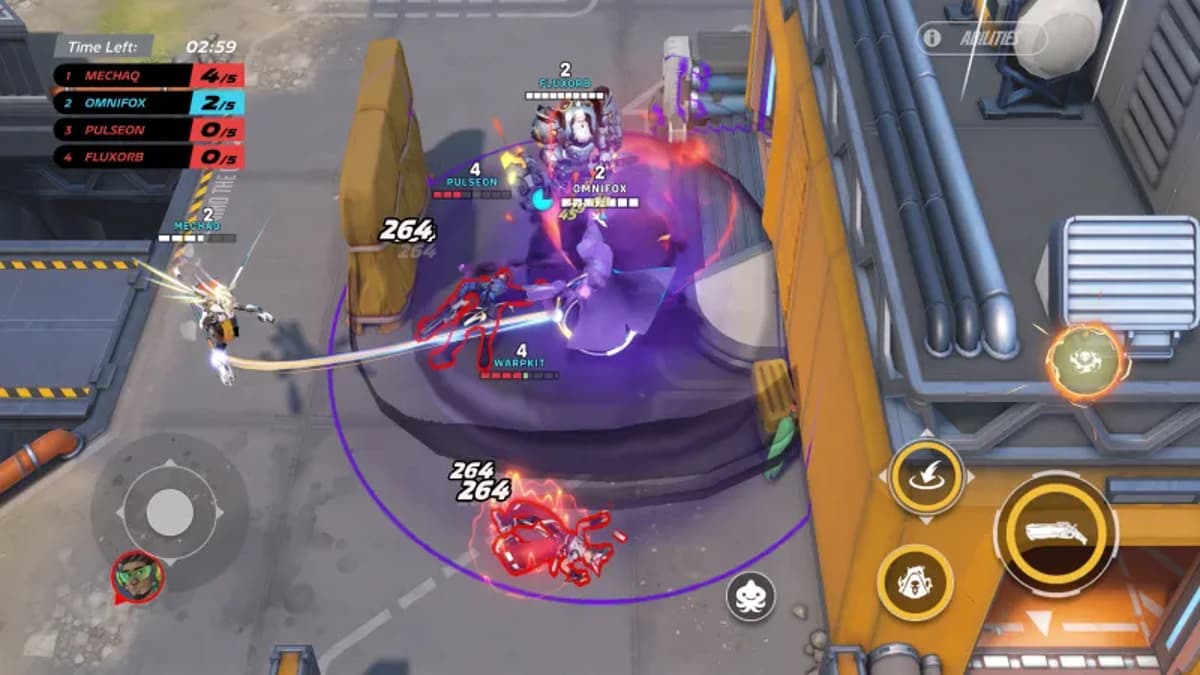
Overwatch Rush Preview – Blizzard's First-Person Hero Shooter Goes Top-Down
•February 24, 2026
0
Why It Matters
Overwatch Rush expands Blizzard’s premium IP into the lucrative mobile market, testing whether a core shooter can thrive on casual devices. Success could unlock a new revenue stream and broaden the franchise’s audience beyond traditional PC and console players.
Key Takeaways
- •Overwatch Rush is a top‑down twin‑stick shooter for mobile
- •Launch roster includes eight classic Overwatch heroes with reworked abilities
- •Free‑to‑play model uses touch controls, auto‑aim, and skill ceiling
- •Mastery system unlocks mods and talents altering hero performance
- •New mode Nano Grab introduces token‑capture risk‑reward gameplay
Pulse Analysis
Blizzard’s entry into mobile gaming with Overwatch Rush reflects a broader industry shift toward adapting established console experiences for handheld platforms. By leveraging the familiar hero roster and core mechanics, the studio aims to lower the barrier to entry while preserving the strategic depth that defines the Overwatch brand. The top‑down perspective and twin‑stick controls are optimized for touch screens, offering a streamlined experience that still rewards mastery through nuanced ability timing and positioning.
The game’s progression system differentiates it from typical mobile shooters. Repeated hero usage grants mastery levels that unlock mods—minor stat tweaks—and talents, which can fundamentally alter a hero’s playstyle. This layered customization encourages long‑term engagement and mirrors the loot‑box driven economies Blizzard has refined over years. Moreover, the inclusion of both classic modes like Control Point and innovative formats such as Nano Grab provides variety, catering to both veteran fans and newcomers seeking quick, competitive matches.
From a business perspective, Overwatch Rush represents a strategic test of Blizzard’s ability to monetize a flagship IP on a free‑to‑play, ad‑supported model. Mobile gaming accounts for a significant share of global revenue, and a successful launch could diversify Blizzard’s income streams while reinforcing brand loyalty across platforms. The project’s outcome will likely influence future decisions on mobile adaptations of other high‑profile franchises, signaling how traditional developers can navigate the fast‑moving mobile ecosystem.
Overwatch Rush Preview – Blizzard's First-Person Hero Shooter Goes Top-Down
0
Comments
Want to join the conversation?
Loading comments...