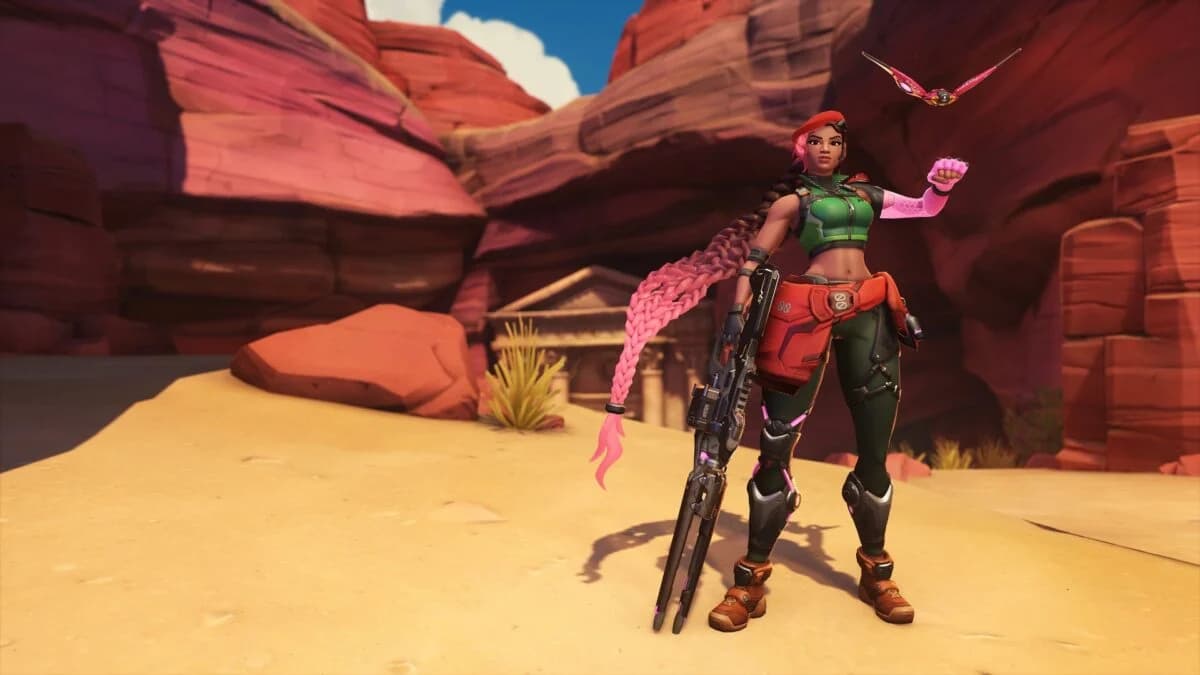
Overwatch’s Next Season Looks Dope Except For One Thing I Have To Yell About

Why It Matters
Season 2’s content slate is designed to drive subscription renewals and in‑game purchases, while the Soldier 76 skin controversy could erode community trust and affect Blizzard’s brand equity.
Key Takeaways
- •Season 2 adds Sierra, 51st hero, expanding roster diversity.
- •New post‑match accolades aim to boost player retention.
- •Soldier 76 mythic skin reverts to youthful look, sparking fan backlash.
- •Map rework and Genji mythic weapon target competitive balance.
- •Blizzard faces criticism over character aging consistency.
Pulse Analysis
Blizzard’s launch of Overwatch Season 2 reflects a broader industry shift toward live‑service models that rely on regular content drops to sustain revenue streams. By adding Sierra, the company not only expands its hero roster but also taps into the growing demand for diverse, mechanically distinct characters that can refresh competitive metas. The inclusion of a Diablo crossover and new mythic weapons serves a dual purpose: it attracts lapsed players with nostalgic tie‑ins while creating fresh monetization opportunities through premium cosmetics and loot boxes.
Beyond hero additions, Blizzard is betting on enhanced player‑centric features to improve retention. Restored post‑match accolades spotlight individual skill, encouraging repeat play, while the optional voice‑chat lobby addresses long‑standing community complaints about unwanted communication. Map reworks, such as the Antarctic Peninsula overhaul, aim to balance competitive integrity and keep the esports scene vibrant. These updates collectively target higher engagement metrics, which translate directly into longer subscription lifespans and increased in‑game spend.
The controversy surrounding Soldier 76’s Volted Overdrive skin underscores the delicate balance between revenue‑driven cosmetics and narrative fidelity. Fans’ backlash over the hero’s youthful portrayal signals potential brand risk, as character authenticity remains a core pillar of Overwatch’s identity. Blizzard’s response will likely influence future skin designs and community relations strategies, reminding developers that monetization tactics must align with established lore to preserve trust and long‑term profitability.
Overwatch’s Next Season Looks Dope Except For One Thing I Have To Yell About
Comments
Want to join the conversation?
Loading comments...