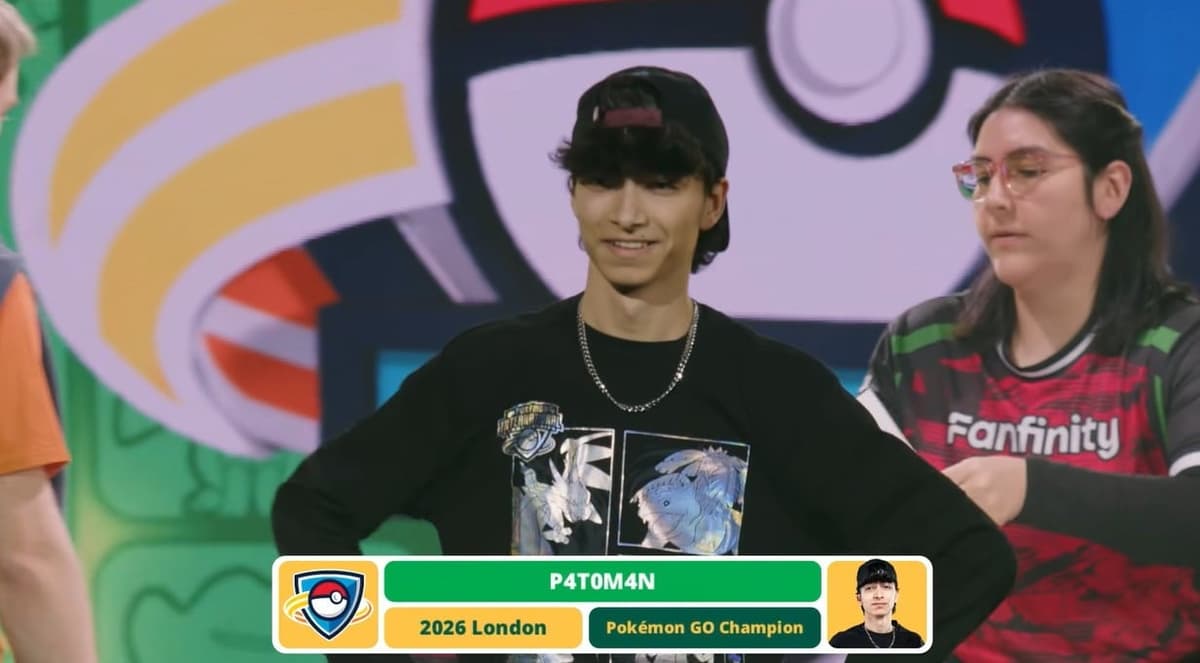
‘P4T0M4N’ Becomes Back-to-Back Pokémon Go EUIC Champion
•February 15, 2026
0
Why It Matters
Back‑to‑back victories cement P4T0M4N’s dominance, boosting Pokémon Go’s credibility as a competitive esports platform and shaping player strategies ahead of the World Championships.
Key Takeaways
- •P4T0M4N wins second consecutive EUIC title.
- •Final match extended to five games, showcasing tight competition.
- •EUIC victory secures spot at San Francisco World Championships.
- •Tournament recorded highest attendance in EUIC history.
- •Pokémon Go now ranks among top competitive Pokémon titles.
Pulse Analysis
The European International Championship has become a bellwether for Pokémon Go’s competitive legitimacy. P4T0M4N’s repeat triumph not only highlights his personal skill but also signals that the game’s meta has matured enough to support sustained high‑level play. Organizers reported record attendance, reflecting growing fan interest and the tournament’s role as a gateway to the global stage in San Francisco. This momentum positions Pokémon Go alongside long‑standing esports staples, attracting sponsors seeking to tap into its mobile‑first audience.
Strategically, the finals revealed a narrowing gap between traditional powerhouses and emerging talent. Both finalists swapped games, with Spa’s comeback attempts forcing P4T0M4N to adapt on‑the‑fly. Team composition—Dunsparce versus Lickilicky in the losers’ bracket—illustrates a shift toward unconventional picks that exploit specific raid mechanics and weather bonuses. As players prepare for the World Championships, we can expect a surge in data‑driven roster experimentation, with coaches mining EUIC match footage to refine counter‑strategies and optimize energy management.
Beyond the arena, the tournament’s scale signals broader market implications. Mobile esports are attracting larger broadcast deals, and Pokémon Go’s global user base offers advertisers a unique cross‑platform reach. The San Francisco World Championships will likely feature expanded prize pools and higher production values, further legitimizing mobile titles in the esports ecosystem. Stakeholders—from game developers to brand partners—should monitor this trajectory, as it may reshape sponsorship models and accelerate investment in mobile‑centric competitive infrastructure.
‘P4T0M4N’ becomes back-to-back Pokémon Go EUIC Champion
0
Comments
Want to join the conversation?
Loading comments...