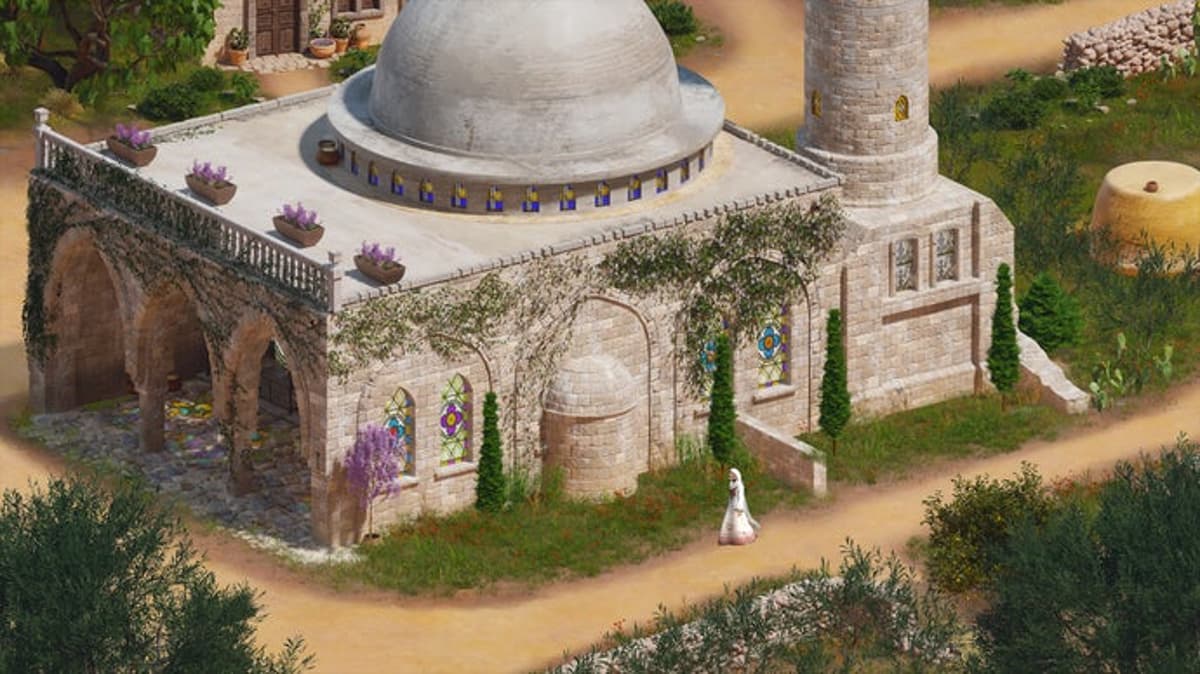
Palestinian Pseudo-Stealth Game Dreams on a Pillow Paints a Difficult, Poetic Picture in Its First Look at Gameplay
Why It Matters
The game brings a historically under‑represented narrative into interactive media, highlighting how indie developers can use crowdfunding to preserve cultural memory. Its success could encourage more politically charged storytelling in the gaming industry.
Key Takeaways
- •Pseudo‑stealth adventure set during the 1948 Palestinian Nakba.
- •Player carries a symbolic pillow that triggers nightmarish visual effects.
- •Crowdfunding on LaunchGood continues, targeting a 2027 release window.
- •Core development team assembled; production pipelines now established.
- •Trailer shows lush pre‑Nakba scenes contrasting with traumatic gameplay.
Pulse Analysis
The emergence of *Dreams on a Pillow* underscores a growing trend where independent studios tackle contentious historical events through gameplay. By framing the Nakba—a forced displacement of hundreds of thousands of Palestinians—in a pseudo‑stealth format, the title offers players an emotional conduit rather than a purely educational documentary. This hybrid approach aligns with recent successes of narrative‑driven games that blend mechanics with memory work, appealing to both gamers seeking immersive stories and scholars interested in digital historiography.
Crowdfunding remains a lifeline for projects that fall outside mainstream publishing comfort zones. LaunchGood’s platform, traditionally used for charitable causes, now hosts a culturally significant video game, signaling a shift in how creators mobilize community support. The campaign’s continued momentum suggests a receptive audience willing to fund content that preserves collective memory, especially when traditional investors shy away from politically sensitive material. Moreover, the establishment of a full‑time core team and production pipelines indicates the project has moved beyond a prototype stage, increasing its credibility among backers.
From a market perspective, *Dreams on a Pillow* could carve out a niche in the expanding segment of socially conscious games. Its 2027 launch window positions it to benefit from heightened global awareness of Middle‑East conflicts and a consumer base eager for authentic, diverse voices. However, the developers must navigate potential distribution hurdles, such as platform policies on politically charged content. If successful, the game may set a precedent for future titles that aim to document historical trauma through interactive experiences, expanding both the artistic scope and commercial viability of indie gaming.
Palestinian pseudo-stealth game Dreams on a Pillow paints a difficult, poetic picture in its first look at gameplay
Comments
Want to join the conversation?
Loading comments...