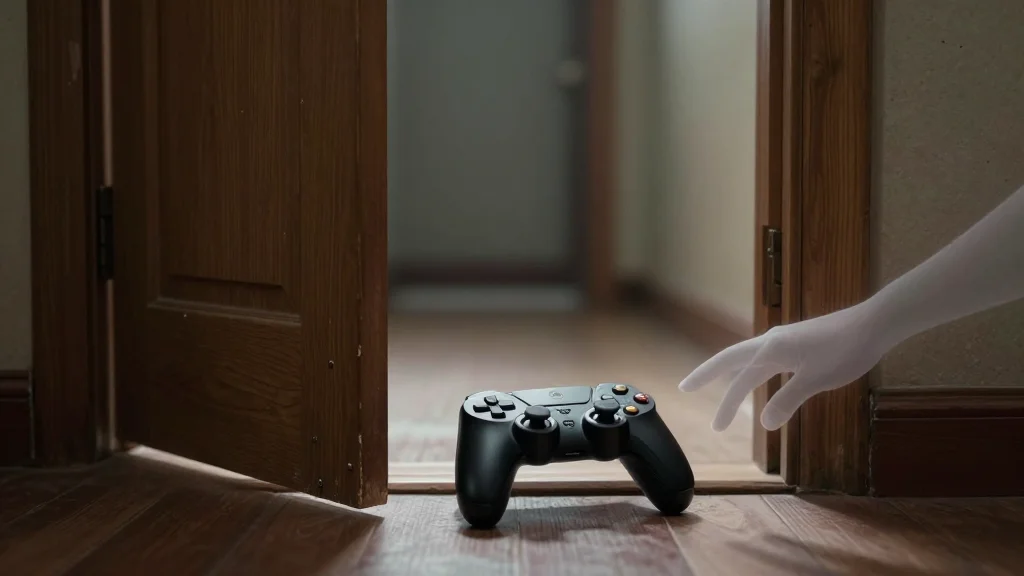
Paranormal Activity: Threshold Cancelled After Paramount Refuses Extension

Why It Matters
The cancellation illustrates how dependence on licensed IP can jeopardize indie projects when corporate partners enforce rigid schedules. For the horror‑gaming community, the loss of a high‑profile adaptation means fewer mainstream entry points for new players and a missed opportunity to expand the franchise’s narrative beyond film. Moreover, the episode may prompt publishers and IP owners to reassess how they structure development agreements with solo or small studios. Greater flexibility could preserve creative ambition while protecting brand integrity, a balance that could foster more successful cross‑media adaptations in the future.
Key Takeaways
- •DarkStone Digital and DreadXP cancel Paranormal Activity: Threshold after Paramount denies a development extension
- •Brian Clarke cites quality concerns, choosing to avoid a rushed, sub‑par release
- •The game was slated to feature dual protagonists, multiple timelines, and found‑footage storytelling
- •Paramount’s refusal highlights tension between indie developers and major IP owners
- •Clarke plans to return to horror game development after a short break
Pulse Analysis
The abrupt end of Paranormal Activity: Threshold is a cautionary tale about the fragility of indie‑driven licensed projects. While the horror genre thrives on fresh, atmospheric experiences, the reliance on a well‑known film brand can become a double‑edged sword. On one hand, the IP offers instant name recognition and a built‑in audience; on the other, it subjects the developer to corporate oversight that often prioritizes schedule over craftsmanship. In this case, Paramount’s decision to refuse an extension likely stemmed from concerns about market timing and brand dilution, but it also eliminated a potentially unique entry in the found‑footage horror sub‑genre.
Historically, successful film‑to‑game adaptations—such as the Resident Evil series—have benefited from deep collaboration and shared creative control. Smaller studios, however, lack the resources to absorb delays without jeopardizing cash flow. Clarke’s choice to walk away rather than compromise on quality preserves his reputation after The Mortuary Assistant’s critical acclaim, but it also underscores the limited bargaining power indie creators have when dealing with heavyweight IP holders.
Going forward, the industry may see a shift toward hybrid models where publishers provide milestone‑based funding while granting developers more leeway on timelines. For horror fans, the void left by Threshold could spur interest in original indie titles that deliver similar atmospheric tension without the constraints of licensed content. Ultimately, the episode reinforces the need for clearer, more flexible partnership frameworks that protect both creative integrity and commercial interests.
Paranormal Activity: Threshold Cancelled After Paramount Refuses Extension
Comments
Want to join the conversation?
Loading comments...