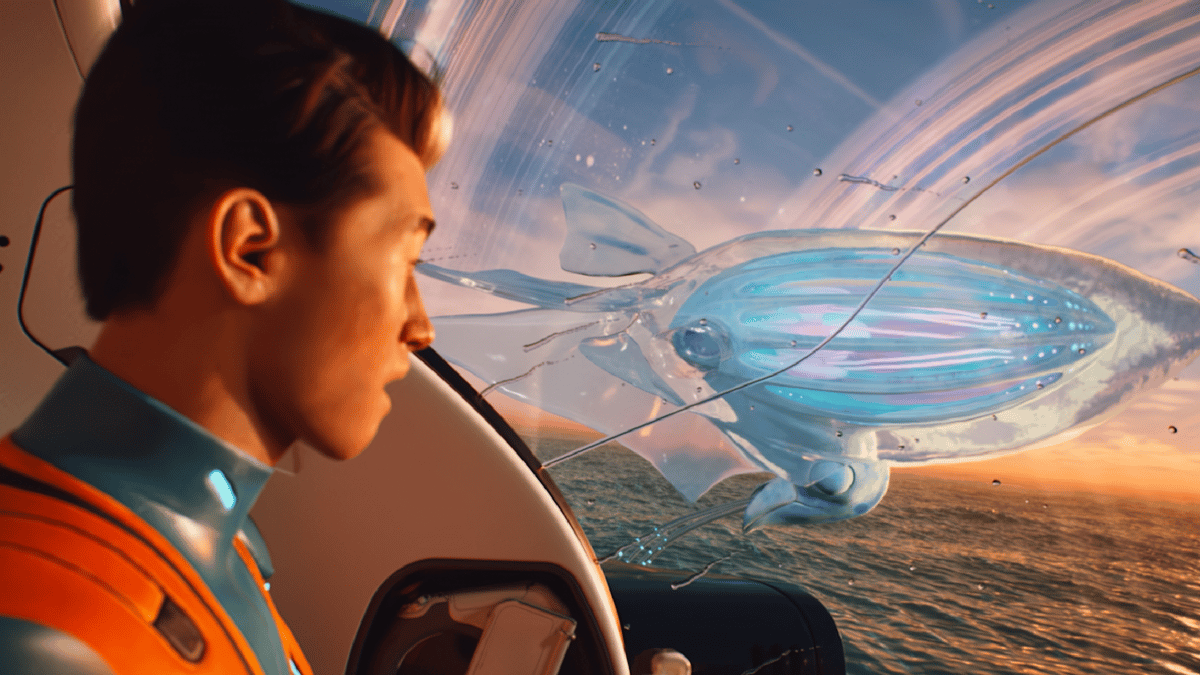
Part of Me Wishes We Could See the Subnautica 2 the Devs Scrapped: The Dwarf Fortress of Ecosystem Simulators
Companies Mentioned
Why It Matters
The discarded concepts illustrate the tension between innovative systems design and player‑friendly immersion, a challenge shaping next‑gen sandbox games. Their potential reuse could diversify the Subnautica franchise and set new standards for ecosystem simulation in gaming.
Key Takeaways
- •Prototyped ecosystem simulator with dynamic urchin‑kelp balance
- •Explored multi‑planet resource gathering akin to No Man’s Sky
- •Considered mobile floating base without any land
- •Scrapped ideas required complex UI, hindering immersion
- •Developer open to spin‑off titles using discarded concepts
Pulse Analysis
The Subnautica sequel’s development saga offers a rare glimpse into how ambitious game mechanics can be both a catalyst for innovation and a roadblock to execution. Unknown Worlds spent months iterating on an ecosystem simulator where players would monitor population cycles of clams, urchins, and kelp. While such a system could have deepened the survival experience, it required a Maxis‑style data overlay that conflicted with the series’ core promise of seamless immersion. This tension underscores a broader industry dilemma: balancing depth with accessibility in open‑world titles.
Beyond ecological modeling, the team toyed with a No Man’s Sky‑inspired multi‑planet framework, envisioning each world offering unique resource extraction methods—titanium as rock on one planet, fish scales on another. Such procedural diversity could have expanded Subnautica’s replayability, yet it risked diluting the tightly crafted narrative and environmental storytelling that fans cherish. The mobile floating‑city concept, a base that never touched land, further pushed the envelope of design, challenging conventional level‑design pipelines and player expectations.
Although these ideas were shelved, their existence signals potential avenues for future expansions or spin‑offs. The developer’s openness to revisiting discarded mechanics suggests that DLCs could eventually introduce controlled ecosystem challenges or modular base‑building, catering to niche audiences seeking deeper simulation. For the broader market, Subnautica 2’s behind‑the‑scenes experimentation highlights how large studios can leverage prototype labs to test high‑risk concepts, even if only a fraction reach launch, ultimately enriching the creative pipeline and informing industry best practices.
Part of me wishes we could see the Subnautica 2 the devs scrapped: The Dwarf Fortress of ecosystem simulators
Comments
Want to join the conversation?
Loading comments...