Why It Matters
The soundtracks illustrate how video‑game music became a commercial and cultural force, influencing licensing models and player nostalgia across the industry.
Key Takeaways
- •PS2 era fused gaming with mainstream music trends
- •Iconic OSTs boosted franchise longevity and cultural relevance
- •Licensing deals set precedent for future console soundtracks
- •Diverse genres reflected early‑2000s youth subcultures
- •Remaster demand shows lasting fan attachment to PS2 music
Pulse Analysis
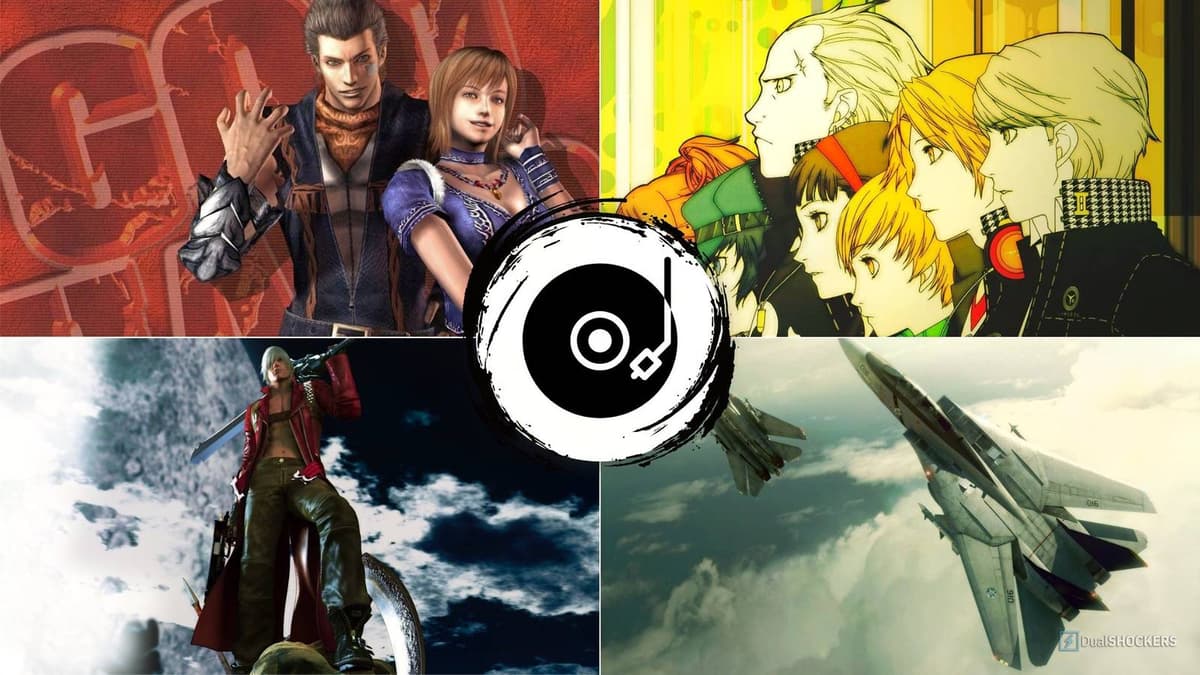
The PlayStation 2 era marked a turning point where game audio transitioned from simple loops to fully realized soundscapes that mirrored contemporary music culture. Developers partnered with record labels, integrating licensed tracks from punk, hip‑hop, and metal scenes, as seen in titles like Tony Hawk’s Pro Skater 3 and Grand Theft Auto: San Andreas. This synergy not only heightened player immersion but also created cross‑media marketing opportunities, turning game soundtracks into chart‑ready playlists that extended a title’s reach beyond the console.
Beyond licensing, original compositions on the PS2 pushed technical boundaries, leveraging the console’s CD‑quality audio to deliver orchestral scores and atmospheric ambiances. Games such as Shadow of the Colossus and Silent Hill 2 used sparse, mood‑driven music to amplify narrative tension, while Ace Combat 5 employed cinematic orchestration to elevate aerial combat. These artistic choices demonstrated that video‑game music could rival film scores in emotional impact, setting a benchmark for future generations of developers.
The legacy of these soundtracks persists in today’s industry through remaster projects, streaming playlists, and live concert tours. Fan demand for updated versions of classic scores reflects a broader recognition of game music as a valuable intellectual property. As studios plan next‑gen releases, the PS2 playbook—balancing licensed hits with original compositions—continues to inform soundtrack strategies, ensuring that audio remains a core pillar of player engagement and brand identity.
Peak PS2 Game Soundtracks
0
Comments
Want to join the conversation?
Loading comments...