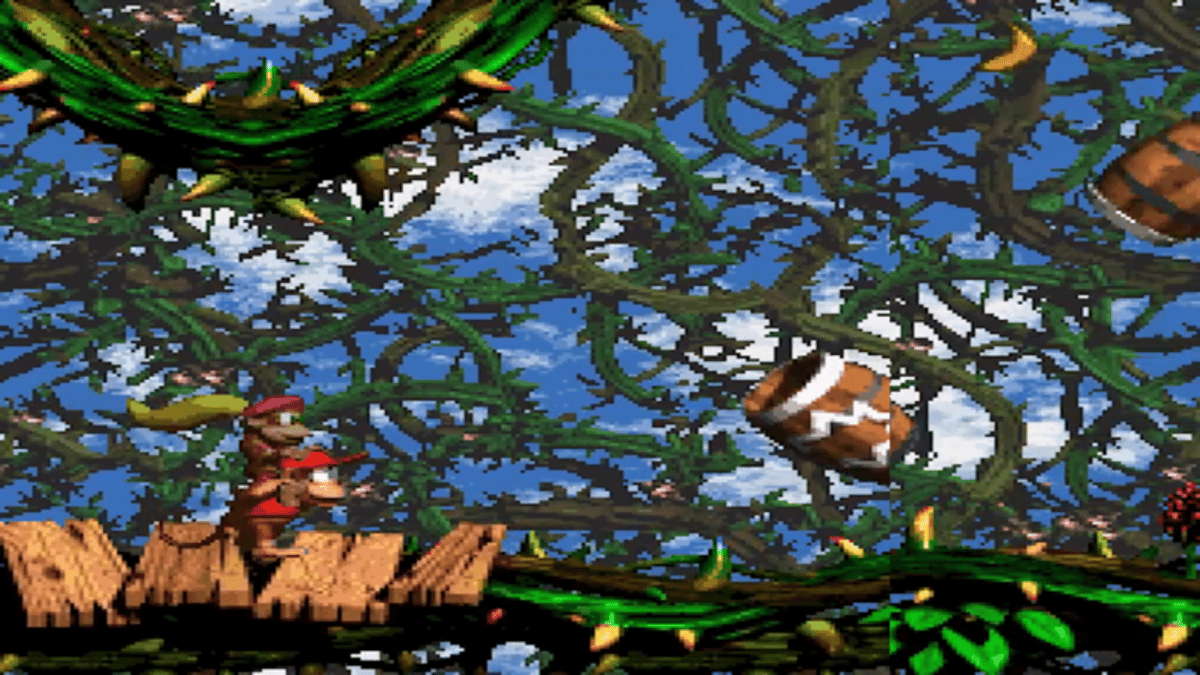
Pitchfork Offers a Deep Dive Into Donkey Kong Country 2's 'Stickerbrush Symphony'
•March 7, 2026
0
Why It Matters
Highlighting a classic video‑game track validates game music as serious art, influencing both industry perception and future soundtrack investments.
Key Takeaways
- •Pitchfork launches weekly track deep‑dive series.
- •Stickerbrush Symphony originates from Donkey Kong Country 2.
- •Composer David Wise discusses original creative process.
- •Track enhances Bramble Blast level atmosphere.
- •Song remains iconic among retro gaming fans.
Pulse Analysis
Video‑game soundtracks have evolved from simple bleeps to sophisticated compositions that shape player experience, and few scores illustrate this shift better than David Wise’s work on the Donkey Kong Country series. Wise blended ambient textures, melodic hooks, and dynamic layering to create immersive environments, with "Stickerbrush Symphony" standing out for its haunting choir‑like synths and rhythmic complexity. The piece not only defined the Bramble Blast level’s jungle aesthetic but also set a benchmark for how music can convey narrative tension without dialogue.
Pitchfork’s new series marks a notable expansion of traditional music journalism into the realm of interactive media. By selecting a track that has never been formally reviewed, the outlet signals a commitment to uncovering hidden gems within gaming archives, applying the same analytical rigor used for mainstream albums. The article delves into archival interviews, compositional notes, and in‑game context, offering readers a granular look at how Wise crafted the melody, arranged instrumentation, and responded to hardware limitations of the SNES. This approach elevates the discourse around video‑game music, treating it as a standalone art form worthy of scholarly attention.
The broader impact of such coverage is twofold: it reinforces the cultural legitimacy of game composers and encourages platforms to archive and monetize classic soundtracks. As mainstream outlets like Pitchfork champion these works, publishers may invest more in high‑quality scores, knowing they can attract critical acclaim beyond the gaming community. For musicians, the recognition opens pathways to cross‑industry collaborations, while fans gain deeper appreciation for the craftsmanship behind their favorite nostalgic tunes.
Pitchfork offers a deep dive into Donkey Kong Country 2's 'Stickerbrush Symphony'
0
Comments
Want to join the conversation?
Loading comments...