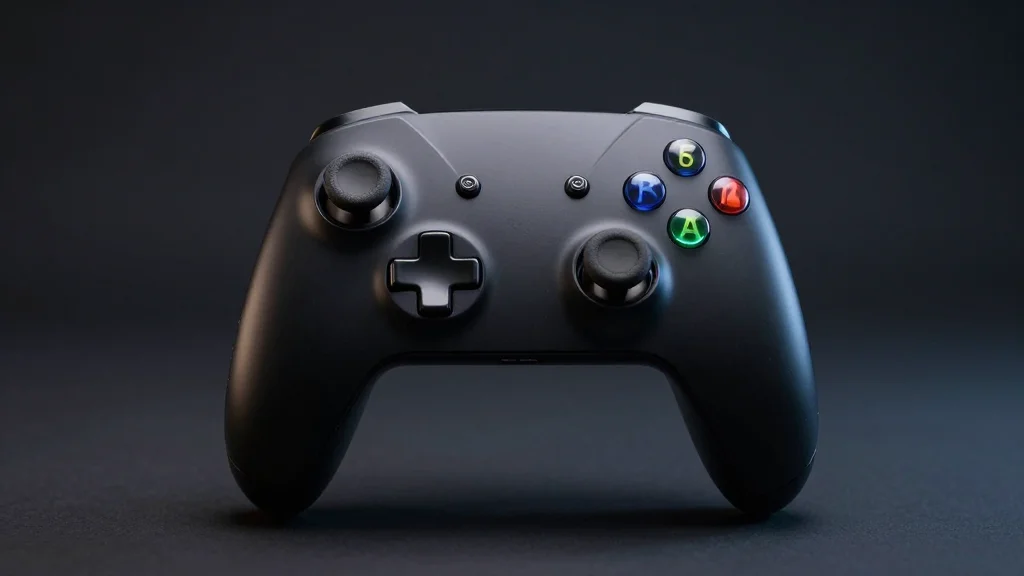
Players Discover League of Legends Controller Support in WASD Input Update
Companies Mentioned
Why It Matters
Native controller support lowers the entry barrier for players with mobility challenges and could reshape how casual and competitive audiences engage with League of Legends. It also positions Riot alongside industry peers that are expanding accessibility in live‑service games.
Key Takeaways
- •Riot adds native controller support via WASD input mode.
- •Mappings align controller buttons with core abilities and auto‑attack.
- •Feature positioned as accessibility, not full controller rollout.
- •Xbox Adaptive Controller compatibility expands play for mobility‑impaired gamers.
- •Community discovered support after dev blog buried announcement.
Pulse Analysis
The recent WASD input update in League of Legends does more than simply let keyboard‑oriented players shift to a familiar movement scheme; it unlocks native gamepad functionality that was previously only possible through third‑party mapping tools. By linking the left analog stick to cursor movement and assigning each ability to a specific button, Riot delivers a plug‑and‑play experience that mirrors the control layouts of many modern shooters. This technical shift reflects a broader industry trend where developers retrofit legacy titles with flexible input pipelines to meet evolving player expectations.
Riot explicitly markets the controller integration as an accessibility feature, targeting gamers who rely on alternative hardware such as the Xbox Adaptive Controller. For players with limited hand dexterity, the ability to execute spells and attacks via a gamepad can dramatically reduce the physical strain of traditional keyboard‑mouse combos. This aligns with a growing emphasis on inclusive design across esports platforms, where accessibility is becoming a competitive differentiator as well as a compliance consideration.
The community’s discovery of the feature—spurred by a well‑known content creator’s tweet—highlights the power of grassroots communication in shaping product perception. While Riot has no immediate plans for a comprehensive controller mode, the positive reception may influence future roadmap decisions, especially if data shows increased engagement from accessibility‑focused segments. Competitive teams, however, will likely monitor any balance implications, as controller input could affect reaction times and macro‑play. Ultimately, the WASD‑driven controller support serves as a testbed for broader input innovation while reinforcing Riot’s commitment to a more inclusive player base.
Players discover League of Legends controller support in WASD input update
Comments
Want to join the conversation?
Loading comments...