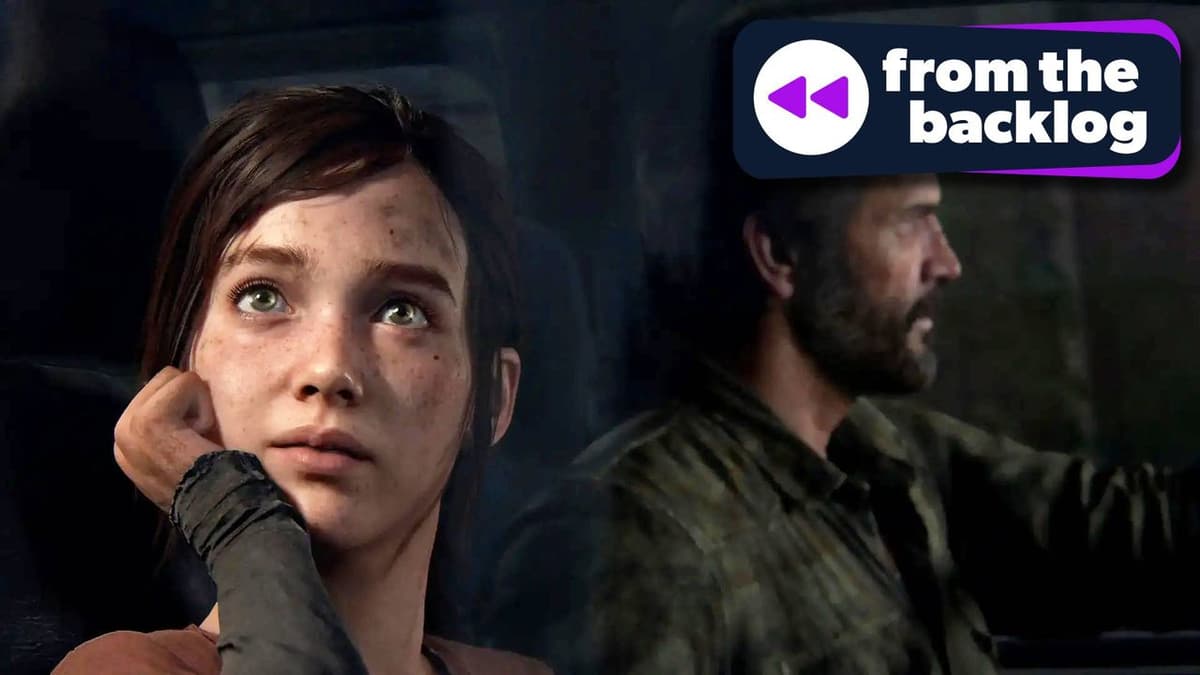
Playing The Last of Us with Friends Made My Favorite PlayStation Game Feel Brand New Again

Companies Mentioned
Why It Matters
The analysis highlights how high‑budget remasters can extend a franchise’s revenue lifecycle and how social co‑op experiences transform traditionally solo titles into community‑driven events, a trend reshaping player engagement strategies.
Key Takeaways
- •Updated graphics and ray tracing make the 2013 game feel fresh
- •Multiplayer co‑op play enhances narrative immersion and enjoyment
- •Improved combat AI draws from The Last of Us Part 2
- •Near‑zero loading and stable frame rate on PS5
- •Social play turns single‑player experience into group event
Pulse Analysis
Remastering classic titles has become a lucrative strategy for publishers seeking to monetize legacy IP while showcasing next‑gen hardware capabilities. The Last of Us Part 1 leverages the PS5’s GPU power to deliver ray‑traced lighting, higher‑resolution textures, and 60‑fps performance, effectively resetting consumer expectations for visual fidelity on a fifteen‑year‑old game. This technical overhaul not only justifies a premium price point but also revitalizes sales on both console and PC platforms, reinforcing the financial viability of iterative releases in a crowded market.
Beyond graphics, the article underscores a cultural shift toward shared single‑player experiences. By inviting a friend to play through the narrative together, the reviewers discovered heightened emotional resonance and sustained engagement, echoing broader industry experiments with couch‑co‑op and online pass‑the‑controller modes. Such social layers can extend a game’s lifespan, generate organic word‑of‑mouth promotion, and open ancillary revenue streams through DLCs that support group play. For developers, integrating flexible multiplayer scaffolding into traditionally solo designs can become a differentiator in an ecosystem where community interaction drives retention.
Finally, the integration of combat AI improvements from The Last of Us Part 2 illustrates how iterative learning across titles can enhance player satisfaction without a full sequel. The refined enemy behavior adds strategic depth, aligning with gamer demand for challenging yet fair encounters. As studios balance nostalgia with innovation, the success of The Last of Us Part 1’s remaster signals that thoughtful upgrades—both visual and mechanical—paired with social play options can rejuvenate legacy franchises and capture new audience segments.
Playing The Last of Us with friends made my favorite PlayStation game feel brand new again
Comments
Want to join the conversation?
Loading comments...