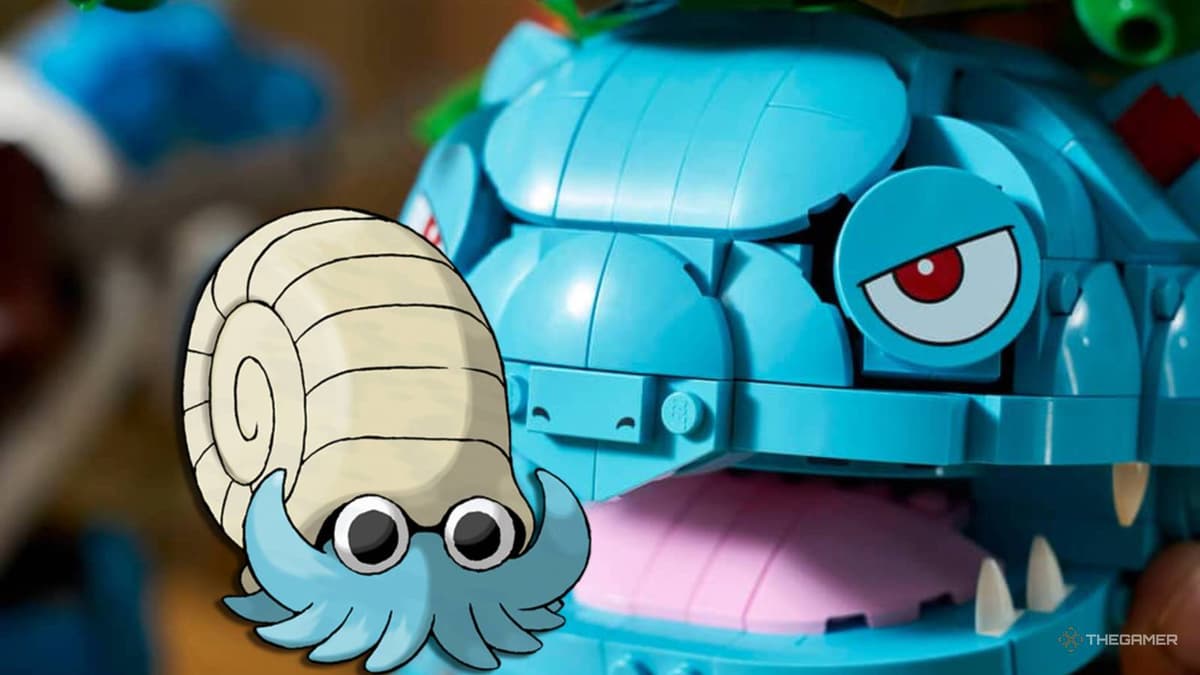
Pokemon Fans Use 3-In-1 Lego Set To Create Omanyte, Horsea, And Reshiram Builds
•February 22, 2026
0
Why It Matters
The hack demonstrates strong consumer demand for affordable licensed Lego experiences, pressuring manufacturers to reconsider pricing and product strategy. It also fuels fan engagement, extending the lifespan and relevance of existing Lego inventory.
Key Takeaways
- •Fans repurpose $49.99 Sea Animals set for four Pokemon builds.
- •Official Pokemon Lego sets start at $59.99, up to $649.99.
- •Creative builds include Omanyte, Horsea, Reshiram, plus original set models.
- •Trend highlights demand for cheaper licensed Lego alternatives.
- •Community mods boost engagement and extend Lego product lifespan.
Pulse Analysis
The upcoming release of Lego’s first Pokemon line has generated buzz, but the price points—$59.99 for the entry‑level Eevee set and a $649.99 premium bundle—have left many collectors hesitant. In response, enthusiasts have turned to the $49.99 Sea Animals: Beautiful Rescue set, a non‑licensed kit originally designed for marine creatures, and ingeniously re‑engineered it into four distinct Pokemon builds. By leveraging every component, including spare pieces, fans achieve seven functional models, showcasing the versatility of Lego’s modular system and the community’s willingness to invest time over cash.
This repurposing trend isn’t new; hobbyists have long re‑imagined sets to create iconic vehicles, starships, and characters far beyond the original intent. However, the Pokemon example highlights a specific market pressure: licensed themes often carry premium price tags that outpace the average consumer’s budget. When fans demonstrate viable, low‑cost alternatives, it signals to Lego and licensors that affordability can be a competitive advantage. Moreover, user‑generated content fuels organic marketing, as tutorials and showcase videos circulate across social platforms, amplifying brand visibility without additional spend.
Looking ahead, the success of these fan‑made builds could influence future product strategies. Lego may explore tiered pricing, modular add‑on packs, or official “build‑your‑own‑Pokemon” kits that cater to budget‑conscious collectors while preserving licensing revenue. For the broader toy industry, the case reinforces the power of community innovation to reshape demand curves and drive more inclusive product ecosystems. Companies that embrace and support such creativity stand to deepen loyalty and capture a wider audience.
Pokemon Fans Use 3-In-1 Lego Set To Create Omanyte, Horsea, And Reshiram Builds
0
Comments
Want to join the conversation?
Loading comments...