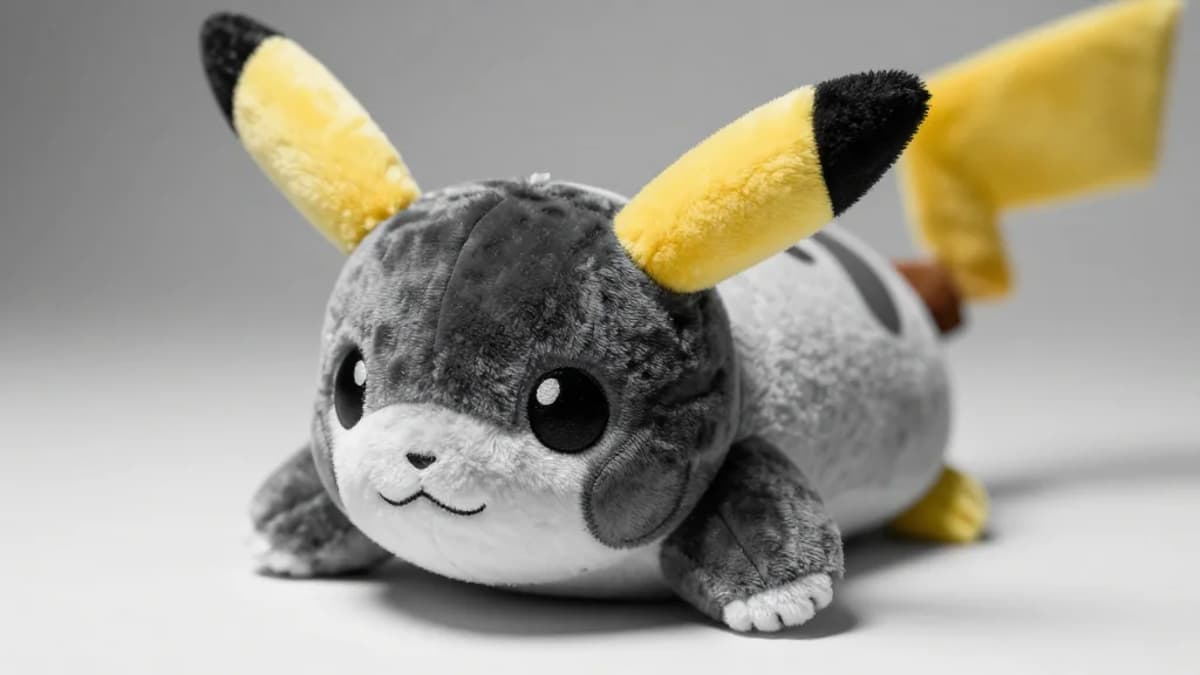
Pokémon Store Plunged Into Chaos Over 30th Anniversary Pikachu Plush As Fans Blame Scalpers
•February 28, 2026
0
Why It Matters
The episode highlights how scarcity‑driven merchandise can damage brand reputation and strain physical retail, while prompting companies to rethink distribution strategies.
Key Takeaways
- •Limited-edition Pikachu plush caused store chaos in Japan
- •Fans blamed scalpers for the frenzy
- •Company will sell plush online shortly after
- •Incident highlights ongoing Pokémon merchandise scalping issues
- •Physical card shops risk closure amid Mon bubble
Pulse Analysis
The 30th‑anniversary Pikachu plush tapped into deep nostalgia, leveraging the iconic Game Boy aesthetic that resonates with long‑time collectors. When the product was released without a ticketing system, the sudden surge of eager fans overwhelmed the Tokyo Bay Poké Center, turning a routine launch into a scene of pandemonium. Such flash‑mob demand illustrates how limited‑edition drops can quickly outstrip a retailer’s capacity, especially in markets where brand loyalty runs high and physical queues are the norm.
Beyond the immediate chaos, the event shines a spotlight on the broader scalping ecosystem that has plagued Pokémon merchandise for years. Resellers exploit scarcity by purchasing stock in bulk and flipping it at inflated prices, eroding consumer trust and driving down foot traffic to brick‑and‑mortar shops. Recent reports of card shops shuttering amid a “Mon bubble” suggest that the secondary market’s pressure is already reshaping the franchise’s retail landscape, forcing both fans and merchants to rely on digital alerts and underground channels to secure items.
In response, The Pokémon Company’s swift decision to open online orders for the plush aims to diffuse tension and restore accessibility. By shifting sales to a controlled e‑commerce platform, the brand can better manage inventory, enforce purchase limits, and gather data on demand patterns. This move may set a precedent for future limited releases, encouraging a hybrid approach that balances hype with equitable distribution, ultimately protecting the brand’s reputation while sustaining its physical retail partners.
Pokémon Store Plunged Into Chaos Over 30th Anniversary Pikachu Plush As Fans Blame Scalpers
0
Comments
Want to join the conversation?
Loading comments...