Why It Matters
The game demonstrates how indie otome titles can attract mainstream attention through polished production and genre‑blending, signaling growth in the niche visual‑novel market.
Key Takeaways
- •Salvus: Aries enters early access on Steam with one route.
- •Voice acting and art receive praise; minor volume tweaks noted.
- •Valefar route offers emotional story but raises character consistency concerns.
- •Game blends otome romance with afterlife mystery and shōnen action.
- •Full release slated for Fall 2026, expanding routes and polish.
Pulse Analysis
Otome visual novels have evolved from pure romance simulators into hybrid experiences that borrow from shōnen action, comedy and even horror. This trend reflects a broader diversification in the visual‑novel market, where developers aim to capture both traditional fans and gamers seeking narrative depth. Early‑access models allow studios like Rosemilk to iterate based on player feedback, reducing financial risk while building a community around the title. As mobile and PC platforms converge, the genre’s visibility on storefronts such as Steam has risen, positioning otome games as viable indie successes.
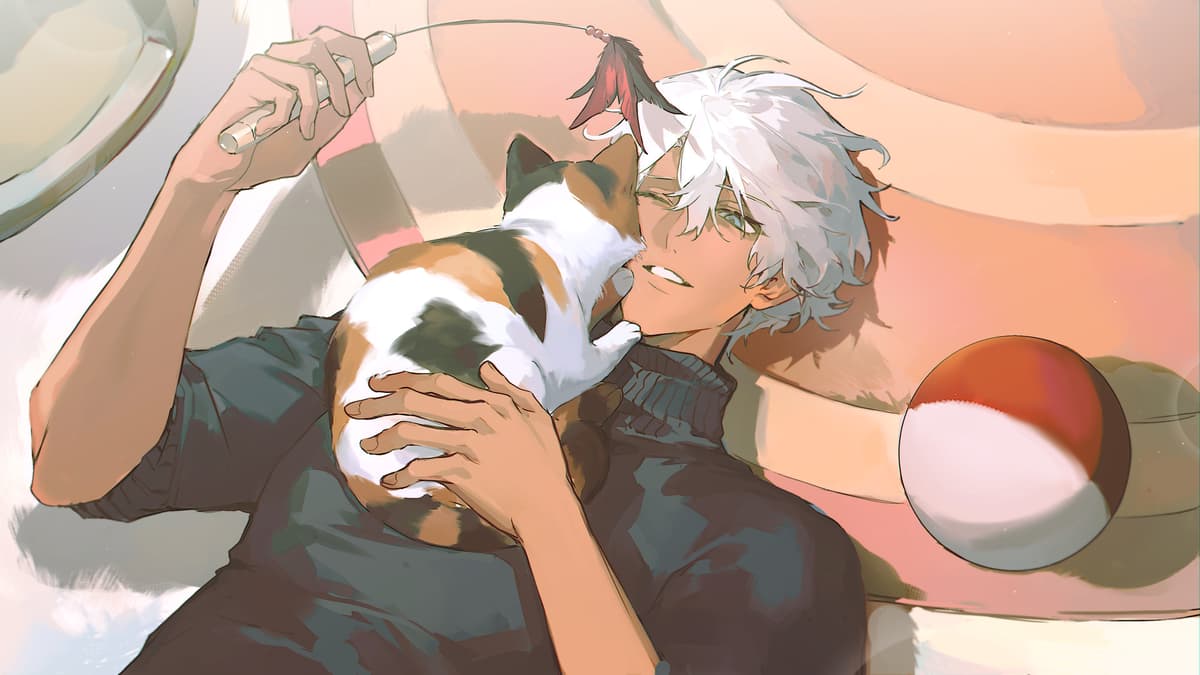
Salvus: Aries distinguishes itself with striking character designs and a cohesive art direction that rivals higher‑budget titles. The voice cast delivers emotive performances, though reviewers note that volume balancing—particularly on the Valefar route—needs refinement. The narrative premise—an executed heroine serving as a reaper in a bureaucratic afterlife—mixes mystery, moral ambiguity, and romance, echoing popular titles like Mystic Messenger. While the single available route offers a compelling emotional arc, inconsistencies in Aina’s characterization raise questions about narrative cohesion across future branches.
The upcoming full release, expected in Fall 2026, promises expanded romance routes, additional story content, and technical polish. If Rosemilk delivers on these promises, Salvus: Aries could set a benchmark for production values in the otome space, encouraging other indie studios to invest in higher‑quality assets and storytelling. Successful execution may also attract a broader Western audience, further legitimizing otome games as a mainstream niche within the larger gaming ecosystem.
Preview: Salvus: Aries Otome Looks Gorgeous
Comments
Want to join the conversation?
Loading comments...