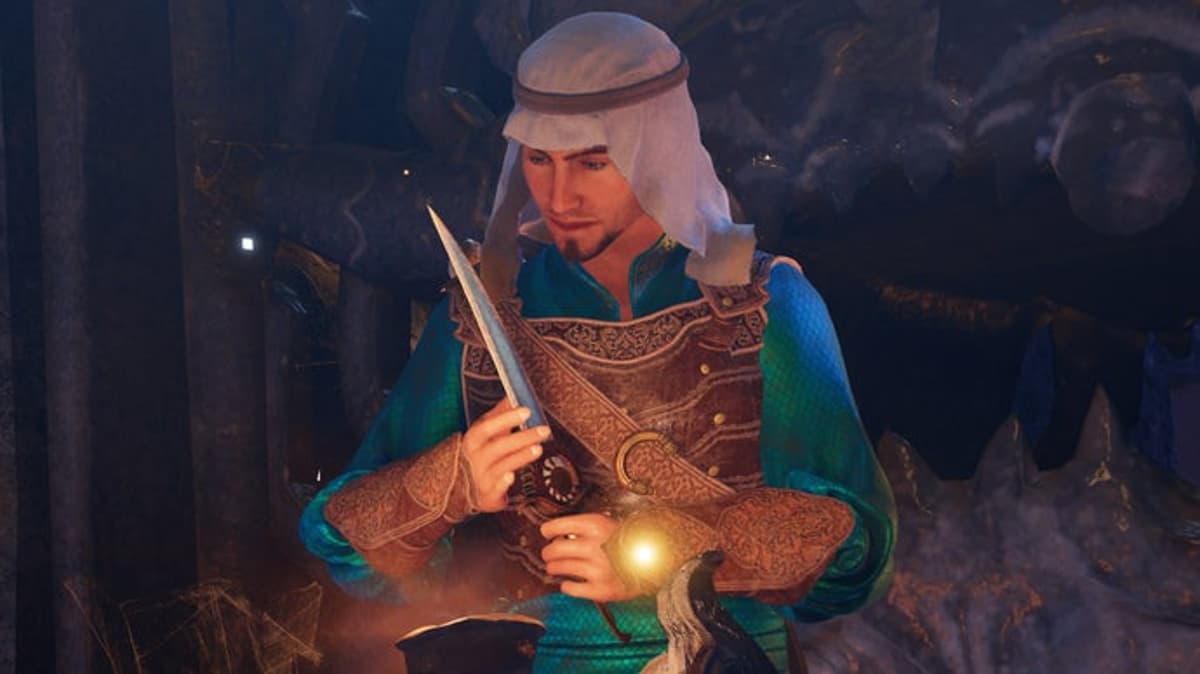
Prince of Persia Creator Shares His Sympathies with The Sands of Time Remake Devs: "Artists Put Their Hearts Into Their Work"
Why It Matters
The shutdown not only erodes confidence among developers but also signals heightened risk for investors as major studios prune ambitious projects to curb costs.
Key Takeaways
- •Ubisoft cancels Prince of Persia remake amid restructuring.
- •Creator Jordan Mechner expresses sympathy for Montreal dev team.
- •Project cancellation impacts morale of early‑career developers.
- •Layoffs affect up to 200 Ubisoft Paris jobs.
- •Industry sees growing concern over project kill‑offs.
Pulse Analysis
Ubisoft’s recent restructuring reflects a broader shift in the video‑game industry toward tighter fiscal discipline. After a series of under‑performing releases and rising development costs, the publisher trimmed its portfolio, axing high‑profile projects such as the Prince of Persia: The Sands of Time remake and an online Assassin’s Creed venture. This strategy aims to preserve cash flow and reallocate resources to proven franchises, but it also raises questions about how legacy IPs will be handled in an environment where risk‑averse budgeting dominates.
The human impact of such cancellations is stark. Jordan Mechner, the original architect of the Sands of Time, used his personal blog to voice empathy for the Montreal studio, noting that developers invest years of creative labor and personal sacrifice into a title that may never see the light of day. For younger talent, losing a flagship project can stall career momentum, diminish portfolio depth, and even trigger burnout. Mechner’s remarks echo a growing chorus of industry voices calling for more transparent project pipelines and better support mechanisms for teams facing abrupt terminations.
From an investor standpoint, the episode serves as a cautionary signal. While cost‑cutting can improve short‑term earnings, frequent project kill‑offs may erode consumer trust and dampen enthusiasm for future announcements, especially remakes that rely on nostalgic appeal. Market analysts suggest that publishers will need to balance fiscal prudence with consistent delivery of high‑quality experiences to maintain brand equity. As studios navigate this tension, the industry may see a pivot toward smaller, iterative updates rather than full‑scale revivals, reshaping how classic titles are revitalized for modern audiences.
Prince of Persia creator shares his sympathies with The Sands of Time remake devs: "Artists put their hearts into their work"


Comments
Want to join the conversation?
Loading comments...